Secret CISO 10/17: 11.18M Burger King Apps, Heber City Hit, SmartScreen Enclave, KBG Jump-Scare RAT
Fast food apps are now breach-grade identity stores: 11.18M Burger King Japan accounts exposed, U.S. municipalities are back on the incident treadmill, and researchers keep turning “fixed last month” bugs into today’s weaponized playbooks.

It is getting harder to tell “consumer app data” from “core identity data.” The attackers do not care what your business does, they care what your systems remember.
Today's Top 5
- 11.18M Burger King accounts: BK Japan confirms unauthorized access to its official app member system, with fields like phone numbers and birth dates in scope. The password question is the part to watch. Source
- Heber City network breach: A Utah city says its IT network was breached on Oct. 10 and contained quickly, with the FBI assisting. No one is saying yet what data, if any, walked out. Source
- SmartScreen enclave code exec: Doyensec details how a four-byte write plus a timing bug led to code execution in a Windows SmartScreen enclave, patched previously but now fully explained. The technique is the takeaway. Source
- KBG RAT jump-scare malware: Group-IB profiles a newly discovered RAT that uses psychological pressure tactics, not just stealth. The operator tradecraft is more interesting than the theatrics. Source
- Extortion crew chat leak: GuidePoint says it obtained internal chats from an IT-impersonation extortion crew, including targeting details and org charts style rosters. Read it as a playbook, not gossip. Source
Why today matters: Today’s stories connect on one theme: attackers are harvesting “soft identity” from places CISOs used to treat as low risk, mobile apps, municipal portals, and support desks. The next wave of account takeovers will be built from phone numbers, birth dates, and believable internal narratives, not passwords alone. Legal, customer comms, and help desk leaders should be just as nervous as IAM teams.
XERJ Corpus Hub: If the Burger King Japan disclosure is in your threat model for brand impersonation and SMS phishing, an AI agent loading ipsum-blocklist can quickly draft a denylist, then generate a tight SIEM watchlist for new BK-themed sender domains and SMS short-code bait patterns. Grab more at hub.xerj.org.
Ok, let’s get into the receipts.
Data Breaches
- Burger King Japan official app member data leak (approx. 11.18 million): BK Japan says its app member system was accessed between Oct. 2 and Oct. 7, with leakage confirmed Oct. 13. Data includes contact and profile fields; card numbers are not held by BK and were not leaked. Source: BK Japan (PDF)
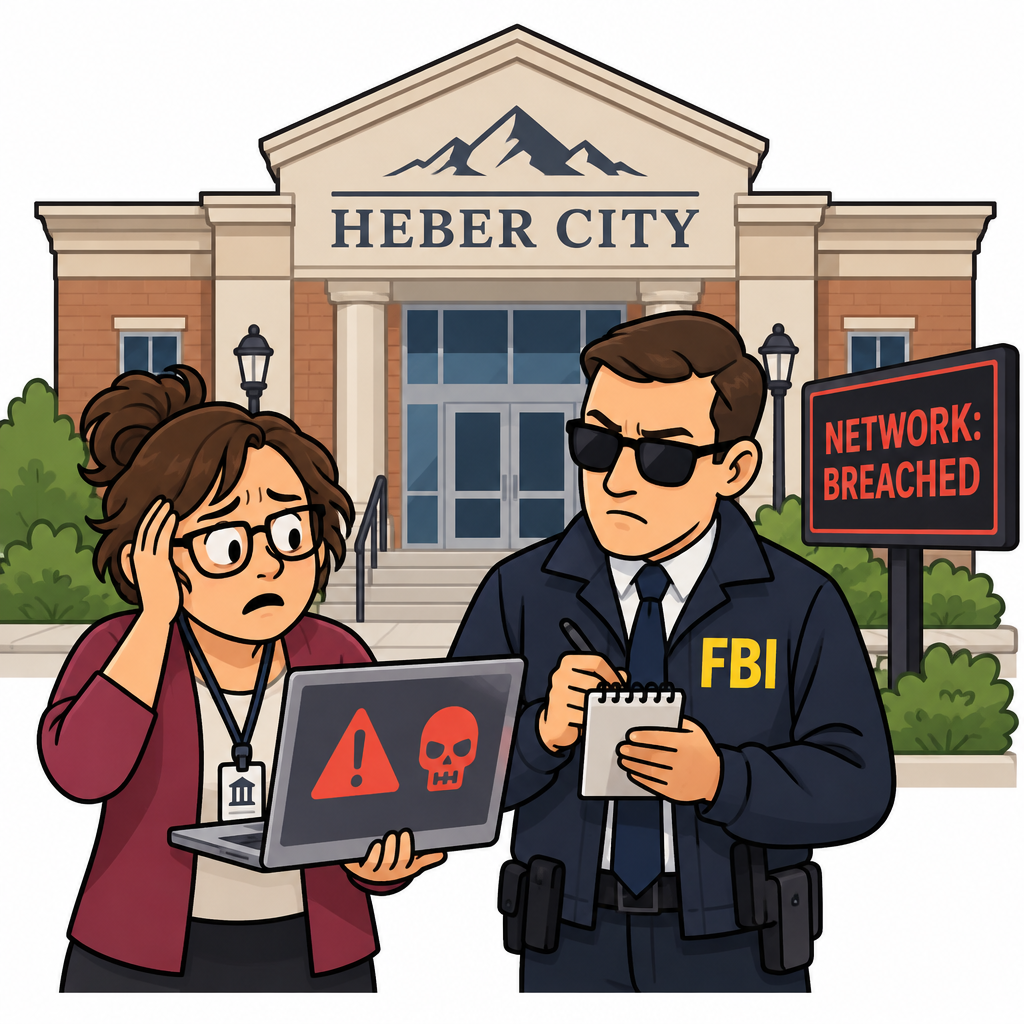
- Heber City IT network breached: Heber City says an Oct. 10 breach hit its IT network, was contained, and services stayed up. The city has not confirmed what was accessed, if anything, and the FBI is involved. Source: KPCW
- Big Spring network disruption investigation: A Texas city is investigating a network disruption impacting payments and billing, without confirming cyberattack as of the report. The “not confirmed” phrasing is exactly when you should prep your comms plan. Source: GovTech (Texas)
- Advantest America breach notification (Massachusetts filing): A data breach notice says an unauthorized party accessed Advantest systems and extracted some data, with investigation and remediation underway. Treat vendor and lab ecosystems as breach adjacencies. Source: Massachusetts AGO filing (PDF)
Security Research

- Windows SmartScreen enclave exploit writeup (patched, now explained): Researchers show how a small memory write plus timing can reach code execution inside the SmartScreen enclave. Even when patched, these writeups reshape attacker technique catalogs. Source: The Hacker News
- Leaked chats from an IT-impersonation extortion crew: GuidePoint describes obtaining internal messages allegedly from the “Silent Ransomware Group,” highlighting how help desk and exec targeting gets operationalized. Use it to stress-test verification steps. Source: GuidePoint via Security Boulevard
- KBG RAT report: Group-IB’s research on a newly described RAT focuses on operator behavior and payload capabilities, including intimidation tactics. The point is persistence plus user coercion, not the jump-scare gimmick. Source: TechRadar (reporting Group-IB)
- N0N ransomware leak-site burst analysis: Security Arsenal notes a spike of 23 new listings in a day from the N0N leak site and provides sector notes plus detection guidance, with clear caveats about extortion claims vs confirmation. Source: Security Arsenal
- Maritime cluster likely tied to one vendor: Cydome reports a batch of 38 maritime orgs listed by the n0n extortion group, assessing shared exposure indicators consistent with a single vendor or shared dependency. Worth reading if you run maritime, logistics, or port-adjacent IT. Source: Cydome
Top CVEs
- CVE-2026-83498: A Windows SmartScreen enclave vulnerability used in a proof-of-concept chain that researchers say enabled code execution in the enclave environment, fixed in earlier Microsoft updates but now documented in detail. Source
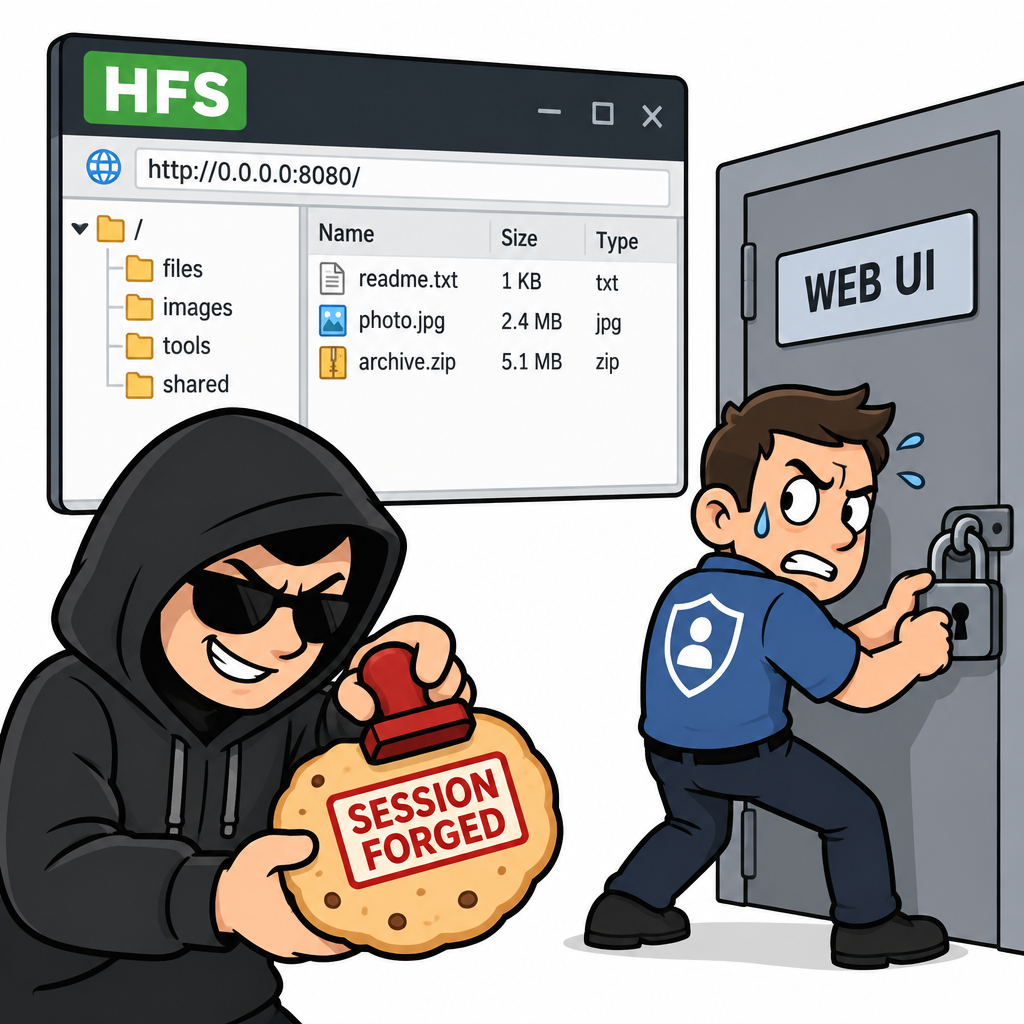
- CVE-2026-61500: Rejetto HFS session forgery flaw that can enable admin session forgery and lead to remote code execution scenarios. Reports cite observed exploitation attempts and a public PoC timeline. Source
- CVE-2026-76519: Cisco Secure Email Gateway issue referenced in recent daily briefings as exploited in the wild. If SEG management surfaces exist on the internet, this is the wrong week for “we’ll do it later.” Source
- CVE-2026-0322: Palo Alto Networks PAN-OS issue referenced in current briefings as exploited, with patch urgency for exposed management planes. This stays a board-level outage risk, not a ticket. Source
Podcasts & Talks
- SANS Stormcast (Oct. 16, 2026): The episode bundles exploited zero-days plus a cryptomining worm callout. Useful for calibrating what defenders are seeing at internet scale and what is moving from rumor to exploitation. Listen: SANS ISC
- Risky Business Podcast (Oct. 14, 2026 Soap Box): HD Moore discusses OT device discovery realities and why asset inventory keeps failing in mixed enterprise and OT environments. Great fodder for your next OT visibility budget fight. Listen: Risky Business
Final Words
Today’s uncomfortable pattern is that the “breach payload” is increasingly a profile, not a password. Birth dates, phone numbers, order history flags, and municipal billing context are enough to build believable lures that beat verification. The coverage usually stops at “no credit cards leaked,” but the operational damage starts right after that sentence.
This week, do three things:
- Hunt for brand impersonation now: add Burger King style app breach lessons to your own brand playbook, and pre-stage SMS and email takedown paths with comms and legal.
- Audit public administration surfaces: inventory and restrict management access for any perimeter appliance or municipal-style portal, and validate MFA plus IP allowlists where possible.
- Patch and verify Windows SmartScreen related updates across managed endpoints, then run a quick regression test on SmartScreen dependent workflows to ensure users are not trained to bypass controls.
Your turn: If a phishing SMS arrived tomorrow using your employees’ real birth dates and phone numbers, would your help desk verify identity with something stronger than “last four digits”? Hit reply with your one-sentence answer, or drop a comment on the web version. I read every reply.
Know someone whose org still treats consumer app profiles as “low sensitivity”? Forward them this issue, it is the fastest way to reset that assumption before the next SMS wave hits. For forwarded and web readers, subscribe free at secretciso.org.
Stay vigilant, stay informed, and see you in the next edition of Secret CISO!