
Secret CISO 10/31: 234K Marathon Health IDs, 31 Hugging Face Traps, CCTV CMS Backdoor, Linux Kernel RCE
Breach notices are landing with real counts, while “weird” software keeps turning into a front door. Today: Marathon Health’s 234K-Texas filing, Hugging Face model repos running code, camera-management compromise chains, and a Linux kernel TCP RCE advisory.

Regulators are forcing the numbers into daylight, at the same time attackers keep winning through the stuff you still do not inventory, like cameras, “helper” CMS tools, and model repos.
Today's Top 5
- 234,534 Marathon Health Texans: A new regulator filing puts a concrete count on a healthcare data incident, and the data types include SSNs and health records. The scariest part is what this implies about third-party access paths. Source
- Hugging Face repos mining GPUs: Researchers say 31 malicious model repositories abused trust_remote_code to run attacker Python during model load, then dropped miners and sometimes shells. Your ML stack just became an endpoint fleet. Source
- CCTV software becomes initial access: Huntress tracked intrusions that started with Windows camera-management software (CMS.exe), then dropped rs.win32.exe and abused WpcMon.exe for DLL side-loading. Cameras are not “facilities” anymore, they are IT. Source
- Linux kernel TCP RCE: A kernel use-after-free, CVE-2026-98432, is being written up as practical remote root under specific conditions (notably MPTCP listeners). This is the kind of bug that turns scanning noise into outages fast. Source
- BeyondTrust zero-day reality check: The vendor’s own timeline confirms real exploitation of CVE-2026-102764 before broad disclosure. The headline is the patch, but the real work is the retro-hunt for appliance file operations and lateral movement. Source
Why today matters: Two parallel pipelines are now colliding. The “formal” pipeline (AG filings, counts, deadlines) is catching up to the “operational” pipeline where weird edge software and AI-era supply chain bits become initial access. CISOs should be nervous about any environment where asset inventory stops at laptops and servers, because the attacker’s path clearly does not.
XERJ Corpus Hub: If the Huntress camera-management compromise chain is in your environment, an AI agent loading nuclei-templates can draft a quick set of web and endpoint-facing probes and follow-up validation checks for the exposed services and common misconfigs those “camera CMS” stacks ship with, then hand your team a runnable scan plan in minutes. Explore more at hub.xerj.org.
Alright, let’s get specific.
Data Breaches

- Marathon Health data breach filings (TX and VT): Breach Census shows a confirmed incident filed on October 30, 2026, including 234,534 affected Texas residents and 8,858 affected Vermont residents. Healthcare data plus identifiers is the classic fraud combo, and the count makes it board-relevant. Source: Breach Census
- Hippo Analytics Inc. breach notice (Texas): A confirmed Texas AG filing posted October 30, 2026 lists 38,518 affected Texas residents. Treat this as a reminder that customer-facing “quote” flows and prefill APIs are production systems, not marketing widgets. Source: Breach Census
- Revolve Group, Inc. breach notices (TX, VT, IA): Breach Census clusters multi-state filings, including 127,200 affected Texas residents and 1,328 affected Vermont residents, disclosed October 30, 2026. If your program still measures impact only by public press coverage, you are missing half the story. Source: Breach Census
- HCA Healthcare, Inc. breach notice (Texas): A Texas AG filing surfaced October 30, 2026 listing 15,096 affected Texas residents. The most useful takeaway is operational: assume patient billing and benefits workflows are attacker reconnaissance targets, not just PHI stores. Source: Breach Census
- Sony ISP subsidiary So-net customer exposure (Japan): Sony Network Communications said attackers accessed So-net, with reporting citing 2.5M exposed customer records and data types that can include credentials. If you rely on “no extortion note” as a comfort signal, this week keeps disagreeing. Source: TechRadar
Security Research
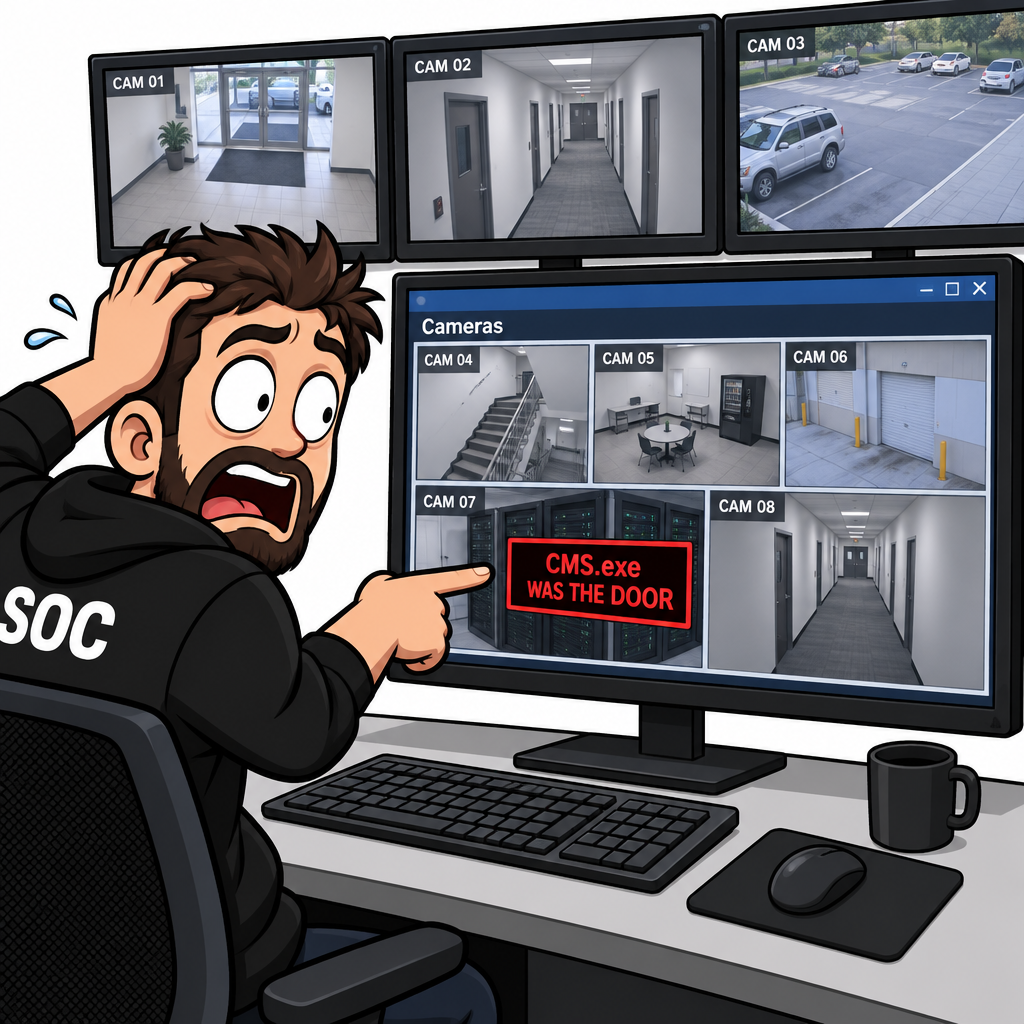
- Camera management software compromise chain: Huntress documented incidents where attackers appear to gain initial access through Windows camera-management software (CMS.exe), then deploy rs.win32.exe, side-load via WpcMon.exe, and beacon to a consistent C2 IP. It is a clean “start here” hunt recipe for MSPs and mid-market IR. Source: Huntress
- Hugging Face model repos used for cryptomining and backdoors: BleepingComputer covers Pluto Security’s findings on malicious model repositories abusing trust_remote_code and targeting self-hosted inference stacks. If your org is building “internal ChatGPT” tooling, this should be treated like package repo security, not data science hygiene. Source: BleepingComputer
- Linux kernel remote code execution conditions clarified: Reporting ties CVE-2026-98432 to a use-after-free in TCP/IPv4 handling, with practical exploitation demonstrated under specific conditions (notably MPTCP listeners). Kernel bugs with remote triggers do not stay “research-only” for long. Source: BleepingComputer
- AWS bulletin on CVE-2026-98432: AWS published a security bulletin describing remote, unauthenticated RCE conditions for the same kernel flaw and noting affected kernel versions. Cloud does not remove kernel risk, it just hides it behind AMIs and managed patch cadences. Source: AWS
- BeyondTrust BT26-05 exploitation timeline: BeyondTrust’s blog post lays out a timeline and confirms exploitation against a hosted instance and a self-hosted appliance, with patches released for customers. If Remote Support is in your environment, patching is table stakes, the investigation scope is the bill. Source: BeyondTrust
Top CVEs
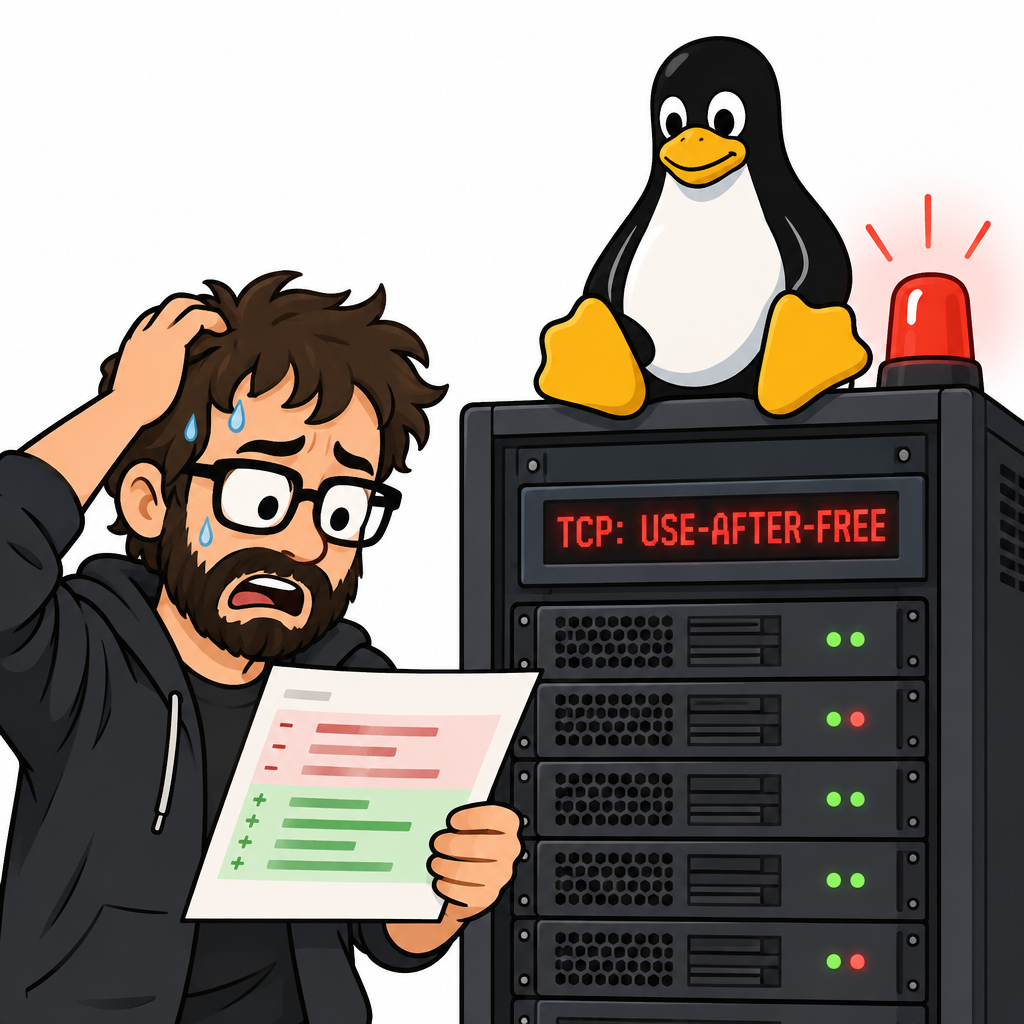
- CVE-2026-98432: Linux kernel TCP/IPv4 use-after-free described as potentially leading to unauthenticated remote code execution under specific conditions, with heavy attention on MPTCP listeners. Prioritize exposed services and internet-facing hosts. Source
- CVE-2026-102764: BeyondTrust Remote Support critical flaw addressed in advisory BT26-05, with vendor-confirmed exploitation prior to disclosure. If you run the appliance, assume you need both patching and retroactive compromise assessment. Source
- CVE-2026-109618: One of the “PHP2Shell” PHP vulnerabilities that CISA has urged orgs to patch after observed exploitation. Treat public-facing PHP as hostile until patched and validated. Source
- CVE-2026-109619: The companion PHP2Shell vulnerability, also observed exploited in the wild per reporting. If your inventory of PHP is “somewhere in marketing sites,” that is a problem statement, not a shrug. Source
- CVE-2026-22807: vLLM remote code execution risk via Hugging Face auto_map dynamic module loading without proper gating on trust_remote_code, per advisory database. If you self-host inference, review how model loading is done and what code paths execute at startup. Source
Podcasts & Talks

- SANS Stormcast (Oct 30, 2026): The episode calls out CVE-2026-98432 and the returning Hugging Face cryptomining campaign, plus a practical note on running a local Ghidra server for malware labs. Good listen if your team needs “what to do Monday” clarity. Listen: SANS Internet Storm Center
- Risky Business (Oct 30, 2026, Soap Box): HD Moore on runZero and discovering OT devices in enterprise networks. If you still do not know what is on the factory floor and in building management networks, you are choosing surprise as a strategy. Listen: Risky Business
- The Atlantic podcast episode on “rebuilding the Internet” (Oct 30, 2026): A mainstream show, but the guest is Alex Stamos discussing AI-driven attack automation and why “Black October” became a phrase. Worth it for exec messaging, not for IOCs. Listen: The Atlantic
Final Words
The underlying pattern today is not “more bugs.” It is more execution surface. AI tooling pulls untrusted code into production pipelines, cameras drag unmanaged Windows software into networks, and regulators publish counts that force boards to finally care about the blast radius.
This week, do three things:
- Patch and scope for CVE-2026-98432 on Linux fleets, then explicitly check which hosts run MPTCP listeners and which are exposed to untrusted networks.
- Put a policy gate in front of model loading, disable trust_remote_code by default, and audit self-hosted inference stacks for exposure to CVE-2026-22807 style code-execution paths.
- Inventory camera-management software endpoints, then hunt for the Huntress process chain CMS.exe to rs.win32.exe to abnormal WpcMon.exe execution and suspicious outbound connections.
Your turn: If a camera vendor told you today that “the recorder network is isolated,” would your team be able to prove it with routes, firewall rules, and EDR coverage, or would you be trusting a diagram? Hit reply with your one-sentence answer, or drop a comment on the web version. I read every reply.
Know a colleague who still treats ML model repos like “data” instead of “code execution”? Forward them this issue and ask one question: “Where do we enforce trust_remote_code?” Subscribe free at secretciso.org.
Stay vigilant, stay informed, and see you in the next edition of Secret CISO!