Secret CISO 11/12: $5M Maersk Ransom, 2.2M Sega Emails, Wyndham Leak, iOS Key Exposure
Today’s pattern: the easiest blast radius is still “someone else’s system” and “someone else’s client,” from logistics platforms to newsletter vendors to mobile apps. Plus: Plex2Shell keeps chewing through NAS fleets, and a fresh iOS flaw puts seed phrases in scope.
Today’s mess is not exotic malware. It’s boring plumbing, SaaS connectors, mobile apps, and third-party platforms. The attackers love it because our governance rarely reaches it.
Today's Top 5
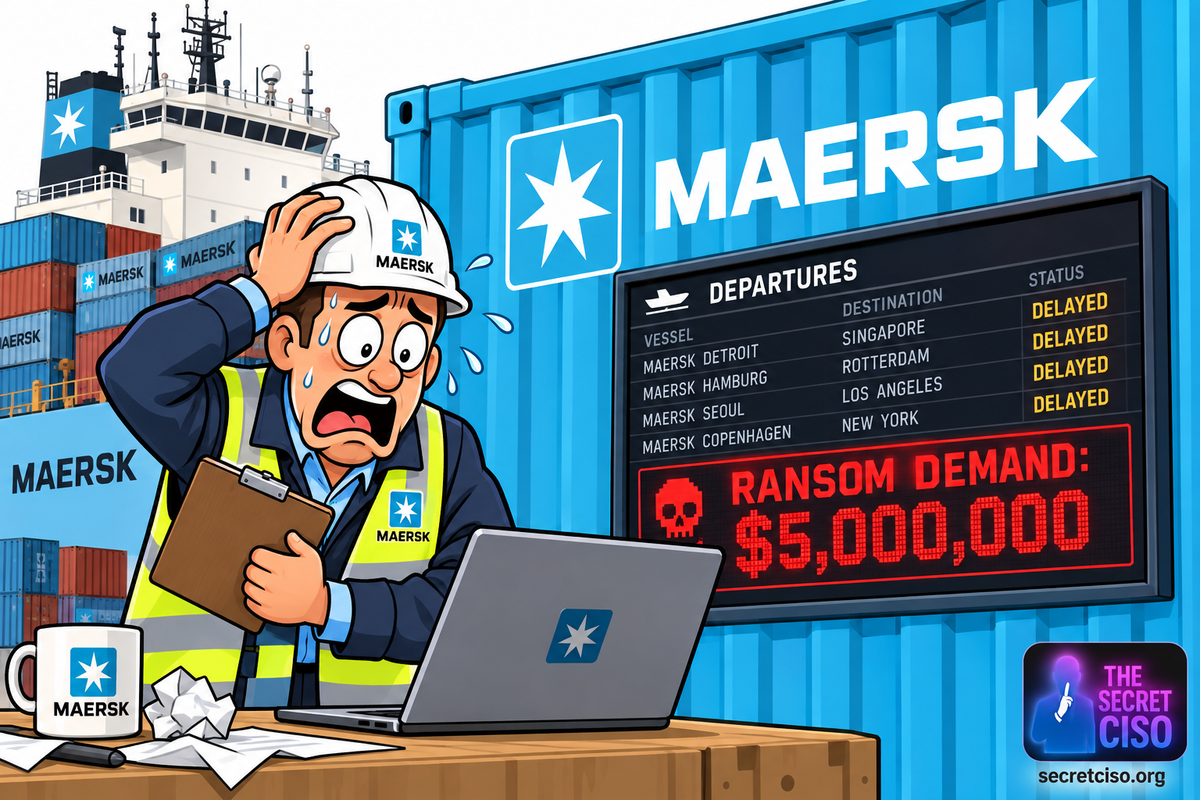
- $5M Maersk ransomware demand: Maersk confirmed a breach after WhiteArmor posted a leak claim and dangled ~100GB of allegedly exfiltrated logistics data. The question is what sits inside those “platform” exports. Source
- 2.2M Sega newsletter emails exposed: A third-party provider incident at ARARA leaked 2,196,044 Sega and Sega Fave newsletter addresses. Expect weaponized follow-up phish that looks annoyingly real. Source
- Wyndham app flaw exposed customer data: A security lapse in a mobile app path reportedly exposed customer data. Even if you fixed it fast, the harder question is what was pulled before you knew. Source
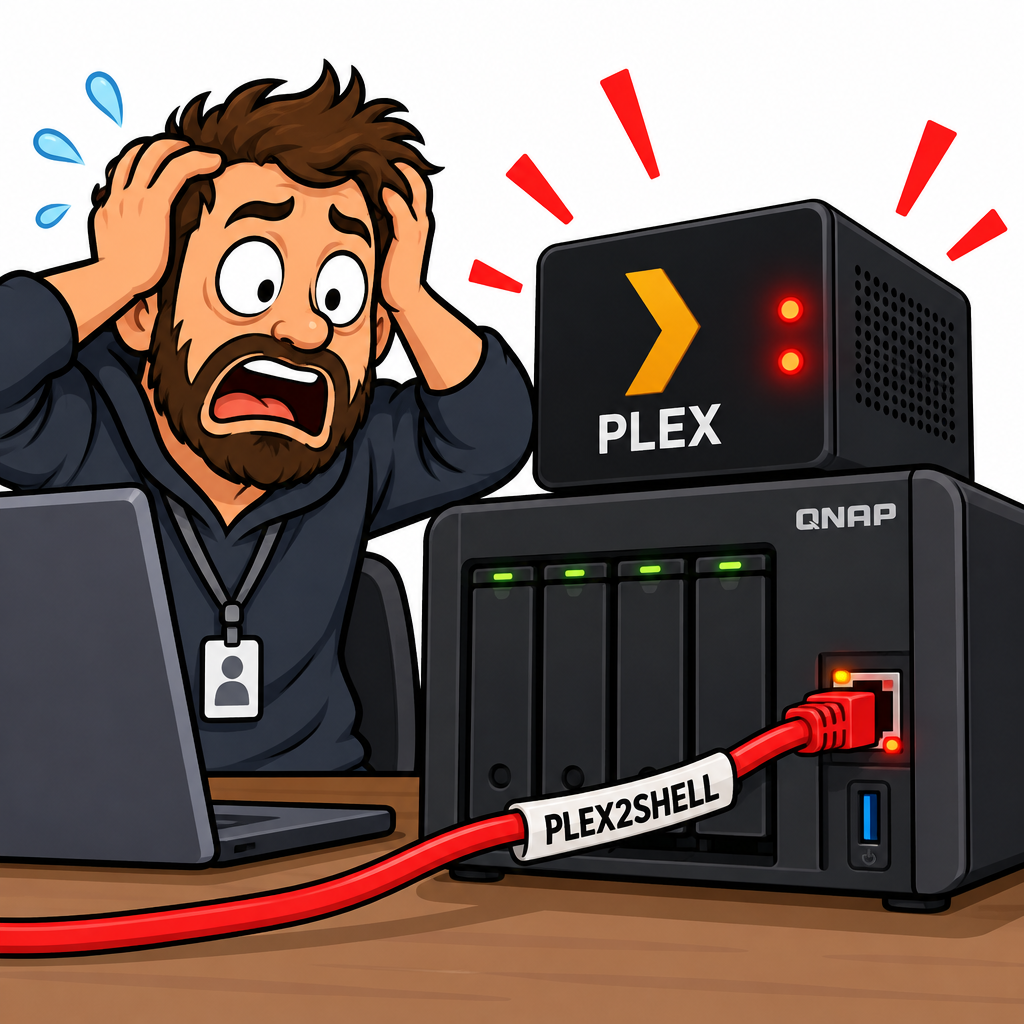
- QNAP warns Plex2Shell spreading: QNAP says more NAS devices are getting hit via the Plex Media Server bug chain, as older versions stay exposed. This is what “patch debt” looks like with storage attached. Source
- Binance flags iOS cross-app file read: Binance warns an iOS issue could let malicious apps read other apps’ private files, including wallet seed phrases and keys. Mobile “sandbox” assumptions are getting stress-tested in the worst way. Source
Why today matters: Three of today’s top stories share the same root cause: security ownership stops at the contract boundary. Newsletter vendors, mobile apps, and “platform” exports keep becoming the soft tissue attackers can actually grab. CISOs who only measure patch SLAs on endpoints and servers are going to keep getting surprised by the systems that never show up in CMDB, but still hold customer identity, tokens, and messaging reach.
XERJ Corpus Hub: Working the Plex2Shell story fast? An AI agent loading exploit-pocs-2026 could pull matching public PoCs for the Plex CVEs, extract request paths and indicators, then hand you a tight “are we exposed” checklist for Plex on NAS fleets in minutes. Grab it at hub.xerj.org.
Okay, now the receipts and the to-do list.
Data Breaches

- Maersk confirms data breach after WhiteArmor ransom demand: Maersk confirmed a data breach after the WhiteArmor ransomware group claimed it and demanded $5 million. Reporting says the group threatened to leak ~100GB allegedly taken from Maersk’s logistics and supply-chain platform. Source: BleepingComputer
- Amplifon Americas breach exposes SSNs and health data: Hearing aid provider Amplifon Americas disclosed a cyberattack involving theft of sensitive personal and medical information, including Social Security numbers. A state filing count cited in reporting includes 85,804 affected Texans (plus additional impacted individuals in other states). Source: TechRadar
- SEGA newsletter provider incident exposes 2.2M emails: SEGA disclosed that a breach at newsletter vendor ARARA exposed 2.2 million email addresses of newsletter subscribers. SEGA said core account systems were not affected, but the exposed list is prime fuel for targeted phishing. Source: BleepingComputer
- Wyndham exposed customer data after mobile app lapse: TechCrunch reports Wyndham exposed customer data due to an application security lapse, and later fixed the issue. The uncomfortable part is retroactive visibility: proving what was accessed before detection. Source: TechCrunch
Security Research

- Binance warns of iOS flaw that can leak wallet secrets: Binance warns a vulnerability in specific iOS versions could let third-party apps read other apps’ private files, potentially exposing seed phrases, private keys, and credentials. The report says the issue is tied to App Intents behavior. Source: BleepingComputer
- SonicWall patches multiple SonicOS bugs, including KEV-listed SSL-VPN bypass: SonicWall issued fixes for seven SonicOS vulnerabilities, including an SSL-VPN issue that can let attackers bypass SAML authentication controls. Reporting notes CISA KEV inclusion and exploitation indications. Source: IT Pro
- QNAP: more devices hit in Plex2Shell attacks: QNAP warns that older Plex Media Server versions are being abused in the wild through a vulnerability chain dubbed Plex2Shell. The advisory points at a large theoretical surface because NAS boxes are often internet-adjacent by accident. Source: TechRadar
- CISA KEV highlights ongoing exploitation pressure: CISA’s Known Exploited Vulnerabilities catalog update cadence remains the fastest “what’s actually getting hit” signal most orgs have. If your vulnerability program does not ingest KEV daily, you are choosing surprise. Source: CISA
Top CVEs
- CVE-2026-19868: SonicOS SSLVPN authentication enforcement weakness that can allow bypass of SAML authentication controls under certain configurations. SonicWall has shipped fixes, and reporting notes KEV listing and exploitation signals. Source
- CVE-2026-96652: Part of the Plex Media Server Plex2Shell chain, described as an unauthenticated SSRF through a timeline endpoint. In practice, defenders should treat the chain as an internet-facing Plex exposure emergency. Source
- CVE-2026-96654: Plex Media Server issue involving improper URL handling in an endpoint that can be leveraged to reach other plugin functions and obtain an admin token, enabling chaining. This is the kind of “glue bug” attackers love because it unlocks bigger steps. Source
- CVE-2026-96655: Plex Media Server SSRF by an authenticated user that can help complete the Plex2Shell chain in real-world conditions. If you are treating Plex as “just media,” your NAS perimeter disagrees. Source
- CVE-2026-96656: Plex Media Server path or file handling weakness described as enabling external control of a file name or path that can culminate in code loading behavior. It is cited as part of the actively exploited Plex2Shell chain. Source
Podcasts & Talks

- Risky Business #859, “ARTEX damage approaches crisis levels”: Worth your time if you are trying to map daily vulnerability noise into what actually breaks businesses. It also touches new attacker language and industry framing that will show up in board conversations. Listen: Risky Business
- SANS Stormcast (Wed, Nov 11, 2026): Patch Tuesday triage: A practical run-through of what matters right now, including Outlook and other patch guidance. Good for aligning IT and SOC priorities without a two-hour meeting. Listen: SANS ISC
- CISO Series Podcast (Nov 10, 2026): A tight weekly listen if you want an executive-angle take on security tradeoffs that actually helps when you are negotiating resourcing and accountability. Listen: CISO Series
Final Words
Today’s pattern is third-party reach plus identity reach. Newsletter pipes become phishing launchpads, mobile app shortcuts become customer data exposure, and “platform” breaches become supply-chain collateral. The uncomfortable implication: your incident response scope is now defined by data flows, not by assets you own.
This week, do three things:
- Hunt for exposed Plex Media Server instances and upgrade past the vulnerable builds implicated in the Plex2Shell chain (CVE-2026-96652/654/655/656), especially on NAS devices and any port-forwarded homegrown setups.
- Inventory and test your “customer messaging stack” vendors (email service providers, SMS platforms, marketing automation) and add an abuse plan for compromised lists, including signed outbound mail, rapid domain takedown, and pre-written customer warnings.
- Brief mobile engineering on the iOS cross-app file exposure risk (CVE-2026-113963 as reported) and mandate a review of where your apps store secrets locally, plus stronger jailbreak or tamper signals where appropriate.
Your turn: If Maersk-grade supply-chain data from your org leaked tomorrow, what would be the single dataset that would most embarrass you, and would you even know where it is exported today? Hit reply with your one-sentence answer, or drop a comment on the web version. I read every reply.
Know someone who still treats “newsletter tools” as marketing’s problem? Forward them this issue, because 2.2M Sega emails is exactly how credential theft campaigns get their target list. For forwarded and web readers, subscribe free at secretciso.org.
Stay vigilant, stay informed, and see you in the next edition of Secret CISO!