Secret CISO 9/5: McKesson Breach, Berlin Ransomware Extortion, 153M IDs Leaked, Chrome Zero-Day Patched
McKesson's healthcare breach hits 284M records, Berlin refuses a Rhysida ransom, 153M driver's licenses surface tied to IDScan, and Google patches an actively exploited Chrome zero-day.
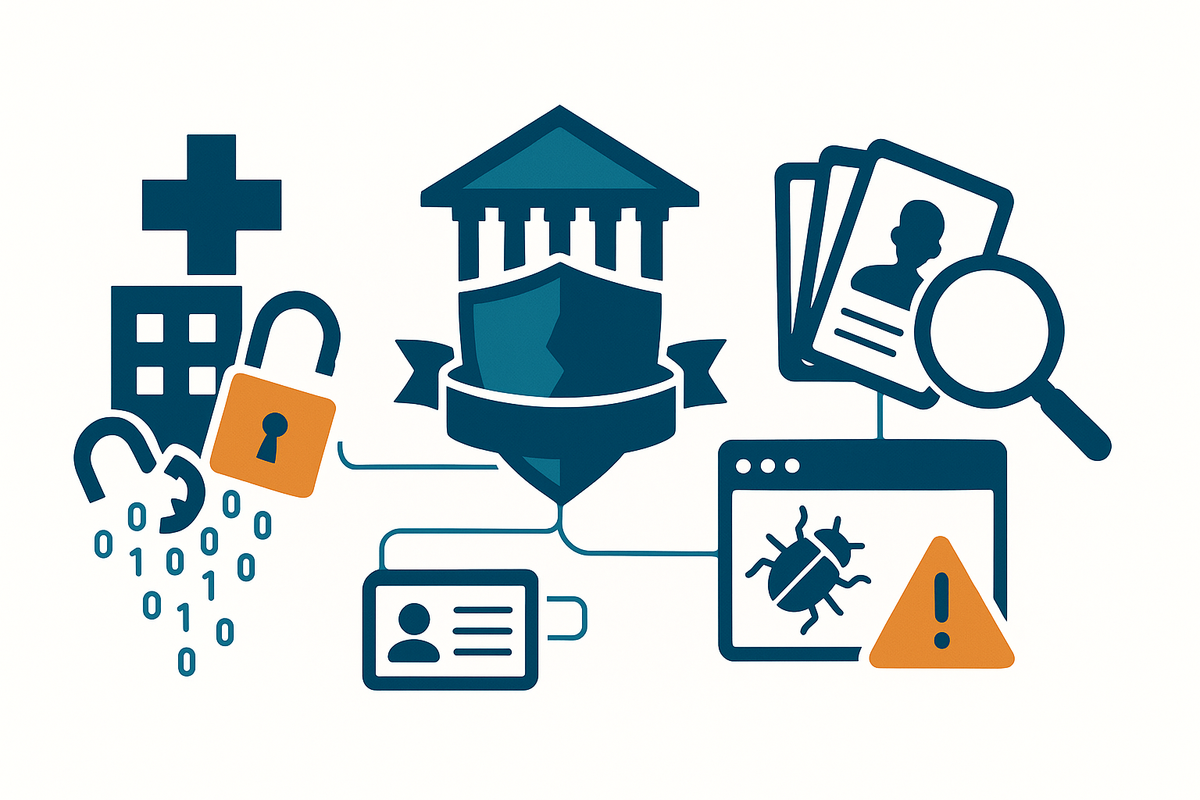
Welcome to today's edition of Secret CISO, where healthcare, city government, and the identity-verification industry all had rough days on the extortion front. We start with McKesson, the pharmaceutical and healthcare distribution giant, which confirmed a cybersecurity incident after the ShinyHunters extortion crew claimed to have stolen 284 million records, including Social Security numbers, medical record numbers, and information tied to deceased and terminally ill patients, following a vishing campaign against employees.
Ransomware crews kept the pressure on elsewhere. Berlin's state government confirmed that attackers exfiltrated nearly 5.79 terabytes of administrative data during a week-long dwell before the Rhysida gang listed the city on its leak site demanding 30 bitcoin, while Houston-based hospital operator Nutex Health told the SEC that a threat actor calling itself Gentlemen stole patient, employee, and financial records and is threatening to publish them.
Identity data took its own beating this week. A short-lived dark-web storefront called Nexus advertised more than 153 million U.S. and Canadian driver's license scans traced back to identity-verification vendor IDScan, drawing lawsuits and an FBI investigation before the listing vanished. Meanwhile, the Russia-linked Qilin gang claimed to have breached LISI Group, a French industrial supplier whose components fly on Airbus and Boeing aircraft, stealing financial and corporate data.
On the research side, analysts detailed BraZetsu, a Python-based Windows malware framework that turns compromised hosts into inventory for an AI-enhanced underground marketplace, while Microsoft uncovered a high-volume phishing campaign hiding financial lure words from email filters using invisible Unicode tag characters, a technique borrowed from AI prompt-injection research. Separately, the Silver Fox group was caught smuggling the ValleyRAT backdoor inside a digitally signed Chinese wallpaper app, tricking victims into whitelisting it in their own antivirus software.
Check Point also published its 2026 AI Security Report, arguing that generative AI has crossed from assisting attackers to actively operating inside live intrusions, from state-linked espionage to ordinary criminal breaches.
On the vulnerability front, Google rushed out a patch for an actively exploited Chrome V8 zero-day, its sixth of the year, while CISA flagged a three-year-old ownCloud authentication bypass after it was used to steal nuclear research data in the Philippines. PaperCut shipped emergency patches for a pre-auth RCE chain in its print management software, and Microsoft's August fix for a Windows kernel driver flaw turned out to have been exploited by North Korea's Lazarus Group for five weeks beforehand.
As always, treat every summary below as a starting point, not a substitute for reading the full sourced report before you brief your own leadership. Let's get into it.
Data Breaches
- McKesson Healthcare Breach Exposes Up to 284 Million Records: Pharmaceutical and healthcare distribution giant McKesson confirmed a cybersecurity incident after the ShinyHunters extortion group claimed to have stolen 284 million database records by compromising employee Okta accounts through vishing calls, then pivoting into Salesforce and Snowflake environments. The attackers say the stolen data spans patient Social Security numbers, medication and allergy information, records tied to deceased and terminally ill patients, and internal employee and provider data, and demanded roughly $55 million before the claims went public. Source: BleepingComputer
- Berlin State Government Refuses Rhysida Ransomware Extortion Demand: Berlin's city administration confirmed that the Rhysida ransomware gang exfiltrated approximately 5.79 terabytes of data, around 1.44 million files, from its state network during a week-long window in early August before the intrusion was discovered and systems were disconnected. Rhysida is demanding 30 bitcoin, roughly $2.3 million, but Berlin says it will not pay, and federal and state investigators are working the case as the leak-site countdown continues. Source: BleepingComputer
- Nutex Health Confirms Patient and Employee Data Stolen in Cyberattack: Houston-based hospital operator Nutex Health filed a material cybersecurity incident disclosure with the SEC after discovering that an unauthorized third party accessed and exfiltrated patient, employee, credentialed-provider, and financial information from its network. The Gentlemen ransomware group has claimed responsibility and added Nutex to its leak site, threatening to publish the stolen data within nine days if demands aren't met. Source: BleepingComputer
- 153 Million Driver's Licenses Surface on Dark Web Tied to IDScan: A short-lived dark-web identity-theft storefront called Nexus advertised access to more than 153 million U.S. and Canadian driver's license scans, plus millions of ID cards, travel documents, and medical cards, with researcher Brian Krebs tracing the leaked samples back to identity-verification vendor IDScan. The FBI's New Orleans field office opened an investigation and multiple law firms have since launched breach litigation against the company, though it remains unclear whether IDScan's own systems were directly compromised. Source: BleepingComputer
- Airbus and Boeing Supplier LISI Group Hit by Qilin Ransomware: The Russia-linked Qilin ransomware gang claims to have breached LISI Group, a French industrial parts supplier whose components are used by Airbus, Boeing, engine maker Safran, and automakers including Stellantis and Volkswagen, stealing financial and corporate records. The attack underscores how deeply ransomware crews are reaching into aerospace and defense supply chains rather than targeting prime contractors directly. Source: Cybernews
Security Research
- BraZetsu Malware Framework Fuels AI-Enhanced Access Broker Marketplace: Researchers detailed BraZetsu, a modular Python-based Windows malware framework attributed to the Brazilian threat actor Exilware, which profiles compromised hosts and stocks an underground platform called the Infected Marketplace, letting buyers remotely run their own tools on already-compromised machines without ever establishing initial access themselves. The framework has been used to commercialize access to victims across Iberia and Latin America since it was first spotted in May 2026. Source: The Hacker News
- Microsoft Uncovers ASCII Smuggling Phishing Campaign Using Invisible Unicode: Microsoft security researchers found a high-volume phishing campaign inserting invisible Unicode tag characters, a technique popularized by AI prompt-injection research as ASCII smuggling, inside financial lure words like "funding" to slip past email filters while still displaying normally to victims. Telemetry showed daily signature hits jump from around 21,000 messages to more than 2.37 million at the campaign's peak, though Microsoft says over 99% of the messages were still caught by other Defender protections. Source: Microsoft Security Blog
- ValleyRAT Backdoor Hides Inside Signed Chinese Adware to Evade Antivirus: The Silver Fox threat group is distributing its ValleyRAT backdoor disguised as QN Wallpaper, a legitimate, digitally signed Chinese desktop wallpaper application, using DLL sideloading so the malicious code runs inside a trusted, signed process and convinces victims to add it to their own antivirus exclusions. Once installed, ValleyRAT can steal keystrokes, screenshots, and clipboard data, disable Windows Defender, and grant attackers full remote access, with Kaspersky recording over 100,000 detections in 2026 alone. Source: The Hacker News
- Check Point's 2026 AI Security Report Finds AI Has Become an Attack Operator: Check Point Research's annual AI Security Report concludes that generative AI has crossed from merely assisting attackers to actively running hands-on stages of live intrusions, citing China-nexus espionage campaigns and criminal breaches of Mexican government agencies as examples, alongside a roughly fivefold rise in detections of longer indirect prompt-injection payloads between March and May 2026. The report frames AI as both a growing target and a growing tool for attackers heading into 2027 planning cycles. Source: Check Point Research
Top CVEs
- CVE-2026-85046: A type confusion vulnerability in the V8 JavaScript engine used by Google Chrome, scored 8.8, lets an attacker who lures a victim to a crafted web page achieve arbitrary memory read/write inside the browser sandbox, potentially leading to code execution. Google confirmed exploitation was already underway before disclosure and shipped a fix in Chrome 152.0.7977.82, marking the sixth actively exploited Chrome zero-day patched so far in 2026. Source.
- CVE-2023-49105: A three-year-old WebDAV API authentication bypass in ownCloud Server, scored 9.8, lets an attacker who knows a valid username construct pre-signed requests that the server accepts as authenticated, without ever supplying a password, in installations left at default configuration. CISA added the flaw to its Known Exploited Vulnerabilities catalog after suspected Chinese-speaking operators used it to steal reactor and radiation-safety records from a Philippine nuclear research body. Source.
- CVE-2026-81578 and CVE-2026-82078: A missing-authentication flaw and an unsafe-reflection flaw in PaperCut NG and PaperCut MF print management software can be chained by an unauthenticated attacker to modify server configuration and execute arbitrary Java bytecode under the PaperCut server process. PaperCut confirmed active exploitation, shipped emergency patches within 48 hours, then issued a second emergency release after the first proved incomplete. Source.
- CVE-2026-68820: A use-after-free vulnerability in afd.sys, the Windows Ancillary Function Driver for WinSock, lets a locally authenticated attacker win a race condition to gain SYSTEM-level privileges. Check Point Research found North Korea's Lazarus Group had exploited the flaw as a zero-day for five weeks against defense, aerospace, and aviation targets to deploy a new version of its FudModule kernel rootkit before Microsoft's August patch shipped. Source.
Final Words
Today's edition keeps circling back to the same idea: attackers are increasingly walking through doors that were left open by someone other than the victim named in the headline. McKesson's exposure traces back to phone calls made to its own employees, Nutex and Berlin were hit through exfiltration windows that ran for days before anyone noticed, and LISI Group's breach is a reminder that aerospace giants are only as secure as the supplier network feeding their assembly lines.
The IDScan story is worth sitting with too, because a 153-million-record identity document leak doesn't need a sophisticated intrusion to do damage once it's for sale, it just needs a buyer. And the ownCloud case is the sharpest lesson of the day: a flaw patched nearly three years ago still cost a nuclear research body its reactor and radiation-safety data because a default configuration was never revisited.
On the research side, ValleyRAT and BraZetsu both show attackers optimizing for trust rather than for cleverness, hiding inside signed software and turning victims into unwitting distribution infrastructure, while Check Point's report suggests that trend will only accelerate as AI takes on more of the hands-on work in real intrusions.
If Secret CISO helped you start your morning informed, do us a favor and share it with a colleague or on your team's Slack, word of mouth is still how this newsletter grows. Stay vigilant, stay informed, and see you in the next edition of Secret CISO!