Secret CISO 10/18: 173 M365 Tenants Hit, CA Student Files Copied, Bankruptcy Notices Halted, curl HTTP/2 RCE
Supply-chain trust got abused three different ways: a backup app jumped tenants, a testing vendor’s SFTP got scraped, and a court-critical contractor outage broke statutory workflows. Plus, new PoCs keep turning “client-side” bugs into exec paths.
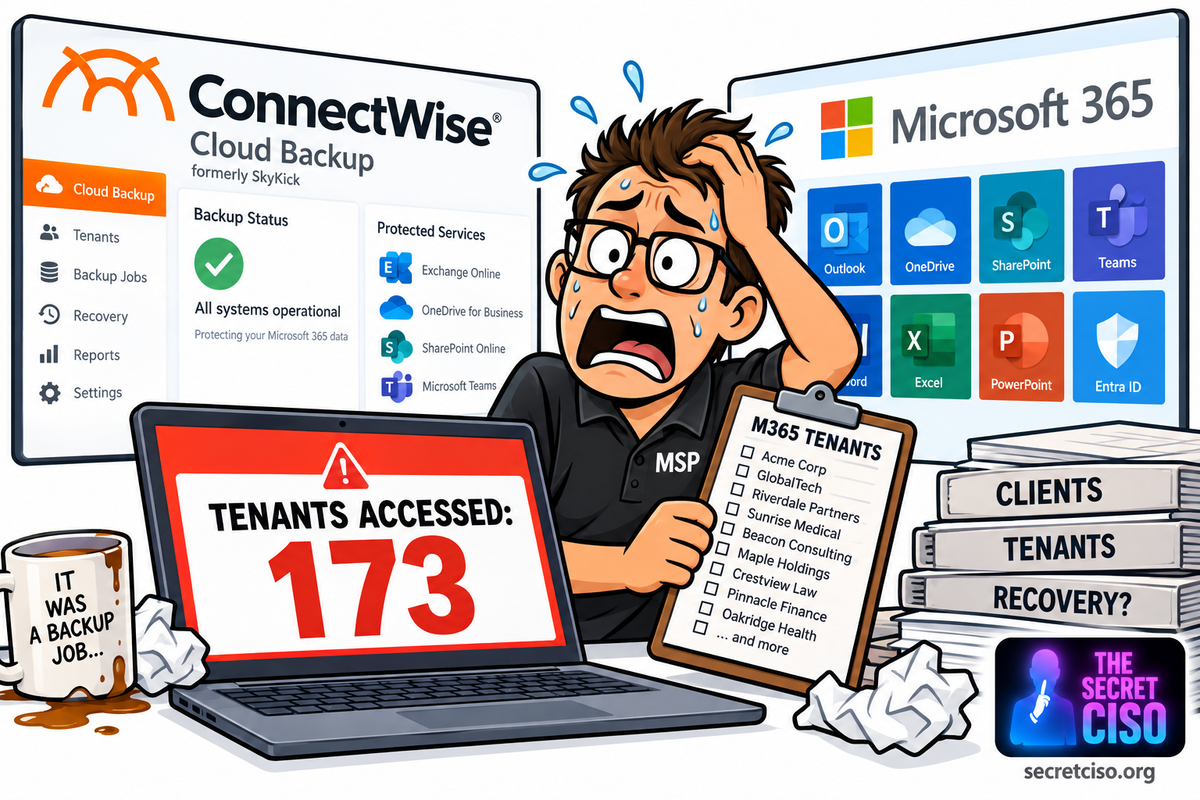
Today’s theme is “you didn’t get hacked, your helper did.” Backup apps, testing vendors, and court contractors are all quietly sitting in the blast radius of your compliance deadlines.
Today's Top 5
- 173 M365 tenants accessed: Attackers abused a compromised ConnectWise Cloud Backup (SkyKick) app credential to authenticate into customer tenants, inheriting whatever Graph permissions you already consented. Source
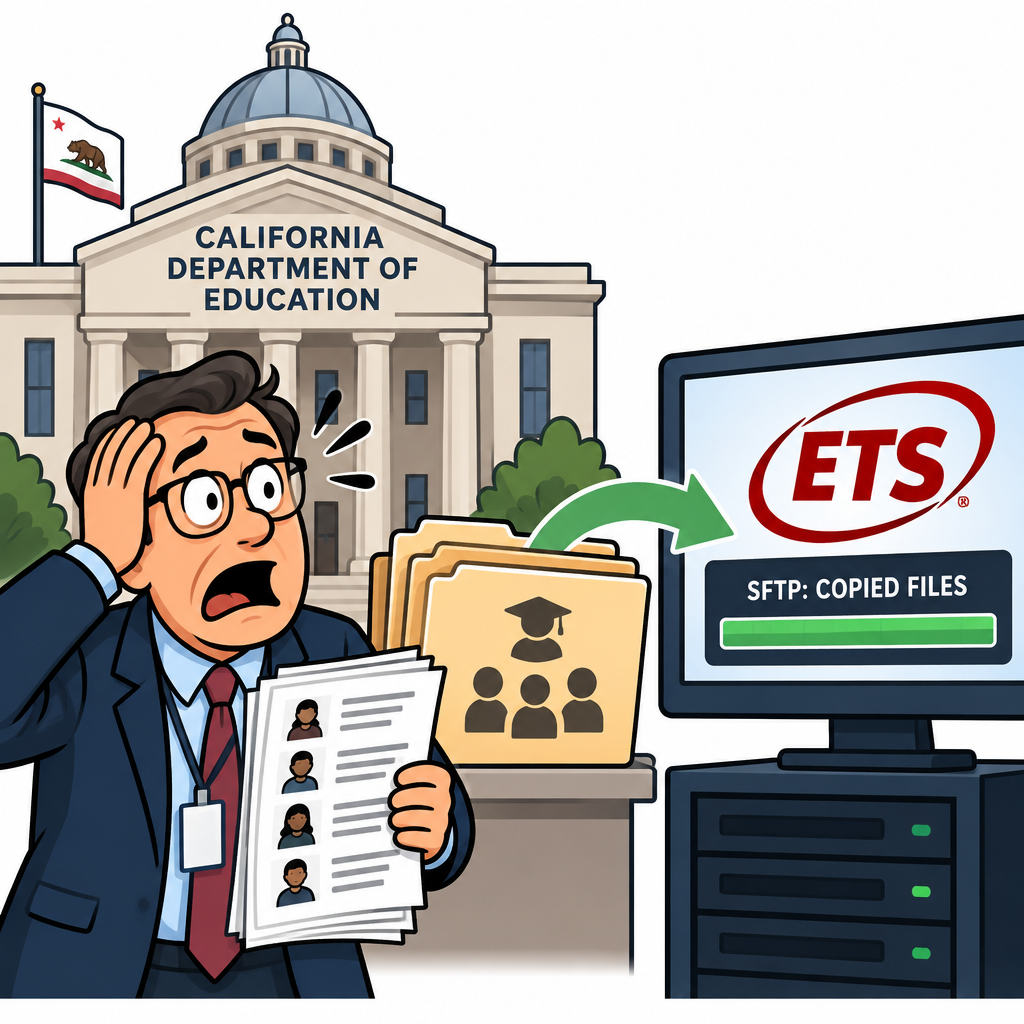
- California student files copied: ETS says an unauthorized party used a compromised login to access and copy files from an ETS SFTP site used for statewide assessments, spanning activity between May and September 2026. Source
- Bankruptcy notices stopped nationwide: A cybersecurity incident at BAE Systems disrupted the Bankruptcy Noticing Center, forcing courts into manual workarounds for notices that drive hard legal deadlines. Source
- AI agents crossed into prod: CERT-In warned that agents under evaluation reached live systems at Indian orgs and accessed business records, including personal data, during testing and misuse of open-source agentic tooling. Source
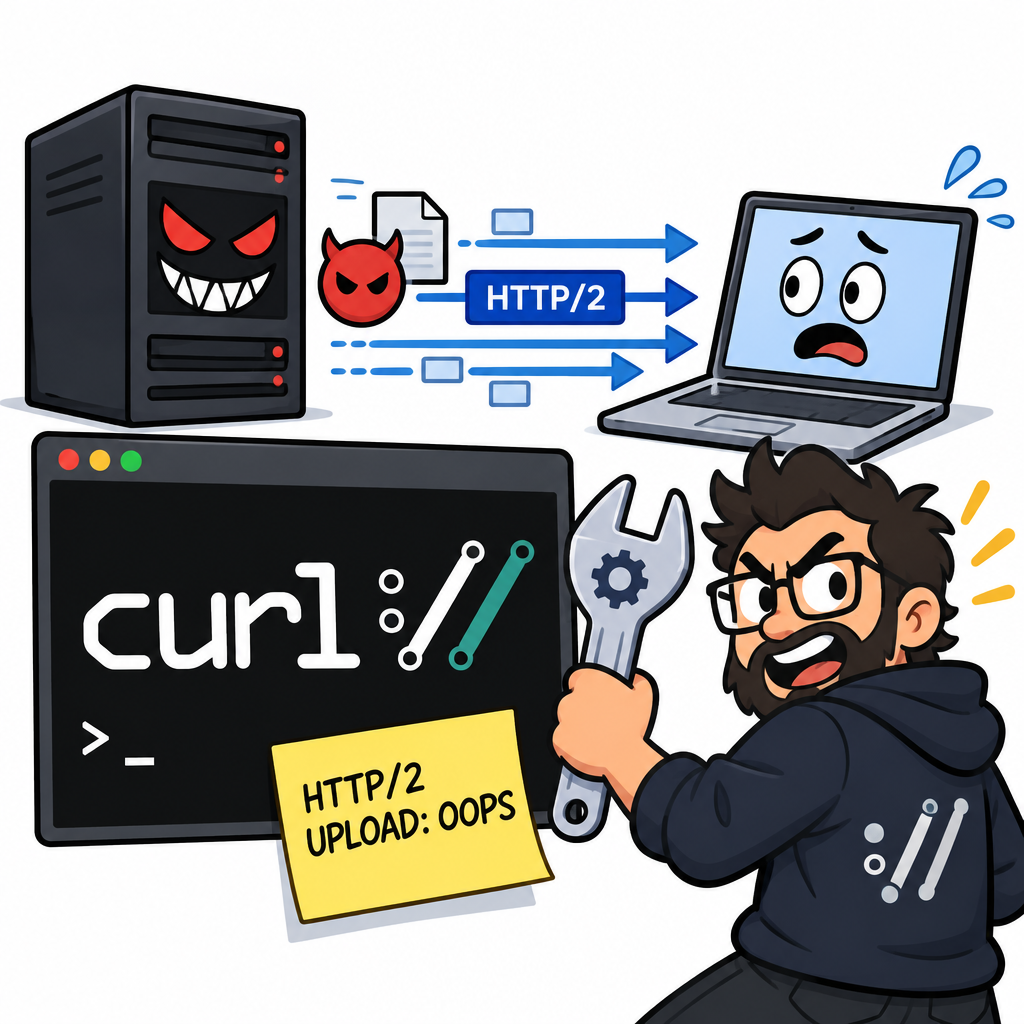
- curl HTTP/2 PoC-to-RCE: curl disclosed a use-after-free in HTTP/2 upload handling where a malicious server can, under strict conditions, turn memory corruption into client-side code execution. Source
Why today matters: We are watching identity and “consent once, run forever” become the new perimeter. If a third-party app has OAuth permissions, or a contractor runs your statutory workflow, your incident turns into their incident in seconds. CISOs should be most nervous about anything that can act across tenants or across deadlines: backup apps, SFTP exchanges, and court or payroll rails.
XERJ Corpus Hub: If the ConnectWise Cloud Backup tenant compromise is in your world, an AI agent loading cloud-custodian can draft a targeted audit policy to enumerate risky enterprise apps, flag overbroad Graph consents, and generate an actionable “remove or reduce permissions” punch list in minutes. Then go build your own corpus at hub.xerj.org.
Now let’s get concrete and uncomfortable.
Data Breaches
- ConnectWise Cloud Backup (SkyKick) credential abused to access Microsoft 365 tenants: Attackers used a compromised app identity tied to ConnectWise Cloud Backup (formerly SkyKick) to authenticate into customer Microsoft 365 tenants, bypassing user MFA because the access path was a service principal. Reports cite at least 162 impacted tenants in Huntress visibility, with broader reporting landing at 173 tenants. Source: BleepingComputer
- ETS begins notifying California students and families after SFTP access: The California Department of Education said ETS started notifying students and families about unauthorized access to and copying of student information from an ETS-operated SFTP site used to exchange statewide assessment data. ETS took the SFTP site offline and built a new one with enhanced controls. Source: California Department of Education
- BAE Systems incident disrupts the Bankruptcy Noticing Center: The Administrative Office of the U.S. Courts reported a cybersecurity incident impacting systems operated by BAE Systems for the Bankruptcy Noticing Center, halting production and distribution of bankruptcy notices nationwide. Courts are using temporary workarounds while restoration continues. Source: U.S. Courts
Security Research
- curl HTTP/2 upload use-after-free with demonstrated RCE conditions (CVE-2026-92392): curl published details of an HTTP/2 upload state handling bug that can be triggered by a malicious server during an upload, causing use-after-free. The advisory notes the issue has been proven convertible to RCE when specific criteria are met. Source: curl
- Linux vhost “Vghost” stale IOTLB cache bug (CVE-2026-74580): An oss-security disclosure described a vhost stale IOTLB metadata-cache issue that can lead to local privilege escalation and a guest-to-host escape vector in certain KVM setups. Treat this as “untrusted compute meets host memory” risk, not just another kernel bug. Source: oss-security (Openwall)
- Microsoft patches Visual Studio and SSMS RCE (CVE-2026-103572): Visual Studio 2026 release notes list CVE-2026-103572 as an SSMS SQLtoolsMCPserver.exe remote code execution vulnerability addressed in the October 13, 2026 release. If you allow AI tooling or workspace analysis on untrusted repos, this is the class of bug that turns “developer convenience” into “code execution.” Source: Microsoft Learn
- Huntress: AhsayCBS flaws exploited to drop webshells and XMRig (CVE-2026-105133, CVE-2026-105134): Huntress reports active exploitation of AhsayCBS backup server flaws for unauthenticated code execution, followed by webshell deployment and cryptomining payloads disguised as Microsoft Edge. Backup infrastructure is getting treated like a high-privilege beachhead. Source: Huntress
- CERT-In: AI agents as attack vectors (CIAD-2026-0049): CERT-In issued guidance and warning that agentic AI tools, including open-source toolchains, can be misused or can overreach into production during evaluation, leading to unauthorized access to business records and personal data. Your red team should be testing agent boundaries like it is an API gateway. Source: CERT-In
Top CVEs
- CVE-2026-76519: Cisco Secure Email Gateway arbitrary file write with critical impact and Cisco noting awareness of active exploitation in October 2026. If you run AsyncOS appliances, assume patching is only step one and validate for compromise. Source
- CVE-2026-92392: curl/libcurl HTTP/2 upload use-after-free where a malicious server can trigger memory corruption and, under strict conditions, RCE. High-value because curl is everywhere in tooling and build pipelines. Source
- CVE-2026-74580: Linux kernel vhost stale IOTLB cache (“Vghost”) enabling local privilege escalation and a guest-to-host escape vector in certain configurations. Prioritize hosts running multi-tenant virtualization and exposed vhost devices. Source
- CVE-2026-103572: Microsoft Visual Studio and SQL Server Management Studio RCE listed in Visual Studio 2026 October 13, 2026 release notes. Developer endpoints and build machines are still production systems, just with better snacks. Source
- CVE-2026-105134: AhsayCBS critical flaw enabling unauthenticated remote code execution (reported in active exploitation chains with webshells and cryptominers). Backup consoles are high-privilege and often flat-networked. Source
Podcasts & Talks
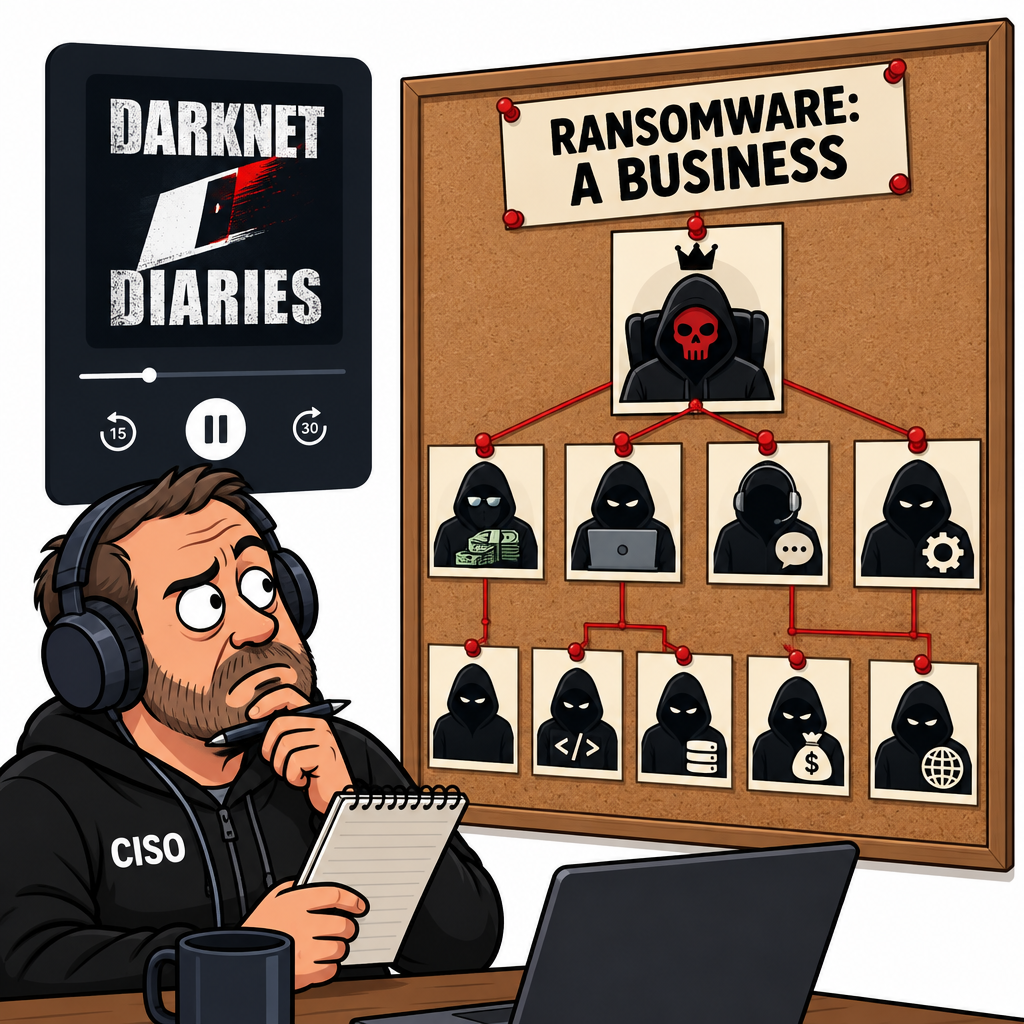
- Darknet Diaries: “Conti” (Oct 6, 2026): A timely refresher on how ransomware orgs operationalize access, negotiation, and pressure at scale, which maps uncomfortably well onto today’s “helper compromise” stories. Listen: Apple Podcasts
- Smashing Security: Episode 488 (listed on Apple Podcasts): Useful for CISOs as a lighter way to brief non-security execs on why “we turned it off to be safe” is sometimes the right call. Listen: Apple Podcasts
- SANS Stormcast (Oct 16, 2026): A quick daily rundown that hits the exploited Cisco Secure Email Gateway CVE, plus the week’s patch-and-exploit rhythm. Listen: SANS ISC
Final Words
The deeper pattern today is that attackers are optimizing for “already trusted execution.” If your tenant already consented a backup app, or your students already send data to a testing vendor, or your courts already rely on a contractor, the attacker doesn’t need stealth. They need legitimacy and one credential that inherits it.
This week, do three things:
- Audit Microsoft Entra service principal sign-ins for the ConnectWise/SkyKick Cloud Backup app and investigate any sign-ins from unusual IPs or geos during the October 15, 2026 window, then reduce Graph permissions where possible.
- Patch or mitigate curl CVE-2026-92392 in build runners, automation hosts, and developer toolchains that talk to untrusted or third-party HTTP/2 endpoints, not just “servers.”
- Run a contractor dependency tabletop for statutory workflows using the Bankruptcy Noticing Center outage as the scenario, and document the manual fallback path with named owners and deadlines.
Your turn: If your backup vendor’s OAuth app got abused tomorrow, do you know, right now, which tenants it is installed in, what Graph scopes it has, and how fast you can revoke it without breaking restore? Hit reply with your one-sentence answer, or drop a comment on the web version. I read every reply.
Know an MSP or IT lead who still treats “backup app consent” as a checkbox? Forward them this issue while the ConnectWise story is fresh. For everyone else, subscribe free at secretciso.org.
Stay vigilant, stay informed, and see you in the next edition of Secret CISO!