Secret CISO 11/13: Notion AI chats exposed, Gootloader takedown, Apache RCE, Southwire breach
AI supply chains are getting weirdly intimate: one provider incident can spill customer chat transcripts, while law enforcement squeezes loaders that feed ransomware. Plus: a critical Apache mod_http2 RCE and Ivanti EPM SQLi-to-RCE.
Today’s theme is “trust boundaries that got feelings.” Your AI provider sees your prompts, your mail gateway parses your org charts, and your web server happily speaks HTTP/2 until it doesn’t.
Today's Top 5
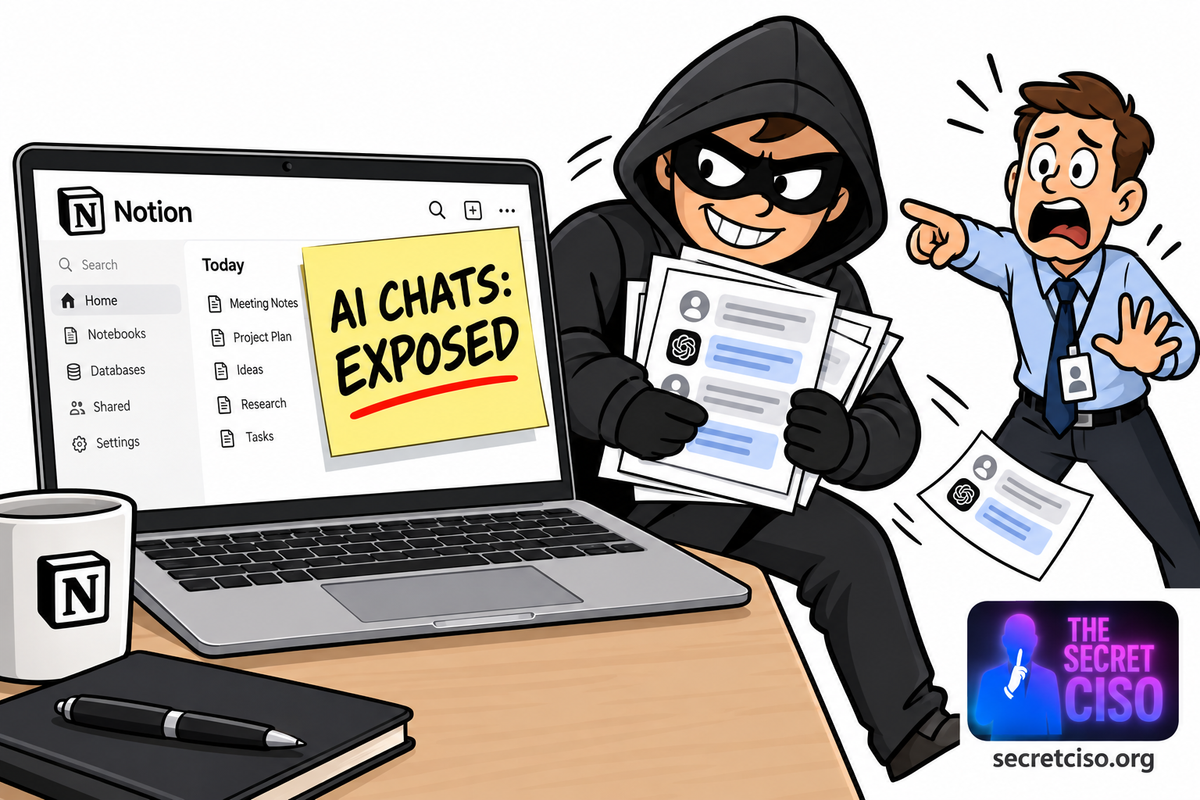
- 1% Notion AI chats exposed: A breach at Fireworks AI exposed Notion AI chat transcripts in a small slice of workspaces, which is exactly where the secrets live. Source
- Gootloader infrastructure seized: An international operation disrupted Gootloader, plus CastleRAT and StealC infra used as on-ramps for ransomware. The quiet question is what this does to the loader market next week. Source
- Apache HTTP/2 RCE patch: A critical bug in Apache httpd’s mod_http2 can lead to remote code execution. If you run 2.4.55 to 2.4.70 with HTTP/2 enabled, the window is now. Source
- Ivanti EPM SQLi to RCE: Ivanti fixed a critical unauthenticated SQL injection in Endpoint Manager that can turn into RCE. EPM boxes tend to be “too trusted to fail,” until they do. Source
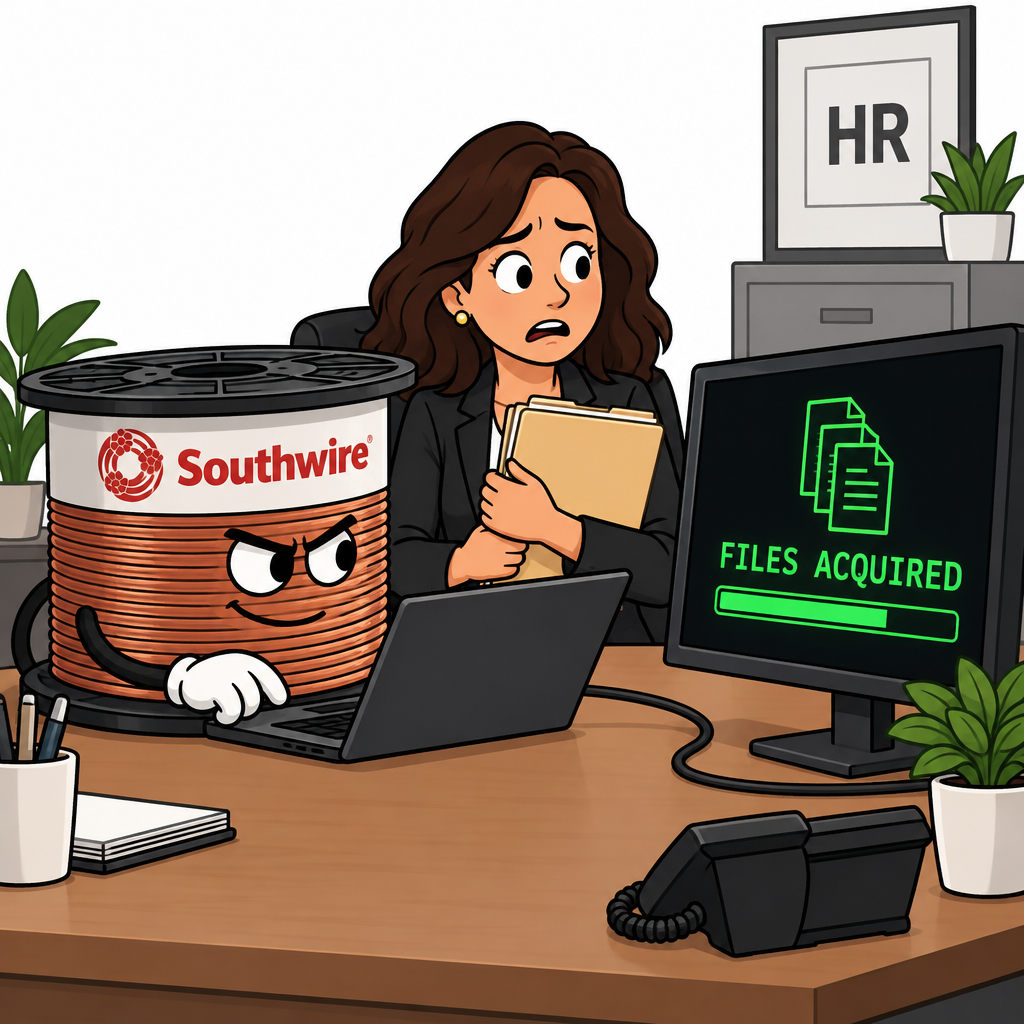
- Southwire plan breach notice: A HIPAA media notice says an unauthorized party acquired certain files on Southwire systems over a months-long window. This looks like a slow bleed, not a smash-and-grab. Source
Why today matters: Two attack patterns are converging. First, “agentic” SaaS and AI providers create high-context data pools that are incredibly valuable when breached. Second, the same old initial access ecosystem (loaders, consent phishing, exposed management planes) keeps feeding ransomware and extortion at scale. If you own a platform, a mail system, or an RMM, you are the blast radius.
XERJ Corpus Hub: Working the Apache CVE-2026-119618 patch sprint? An AI agent loading vuln-fix-commits could pull the relevant upstream fix patterns for mod_http2-style race and heap corruption changes, then help your team spot risky local forks and backports in minutes. Browse more at hub.xerj.org.
Now, the rest of the pile, with the sharp edges left intact.
Data Breaches
- Notion says Fireworks breach exposed customer AI chat transcripts: Notion disclosed that a security incident at its AI infrastructure provider Fireworks AI exposed Notion AI chat transcripts for a small number of customer workspaces. Notion framed it as a limited slice, but the sensitivity is driven by content, not percentage. Source: BleepingComputer
- Southwire Company and Affiliates Employee Health & Welfare Plan notice: A HIPAA media notice says an unauthorized party acquired certain files on Southwire systems during a window spanning late 2025 into early 2026. For plans, the pain is usually identity data plus claims-adjacent details that drive long-tail fraud. Source: TMCnet (PRNewswire notice)
- Baker Tilly notifies clients of data breach at third-party provider: Baker Tilly told clients about a cybersecurity incident involving information stored on a third-party platform used for client services. The notice (as described) did not name the provider or include a clear impacted count, which complicates downstream risk calls. Source: BleepingComputer
- Telecare Health ransomware notice (WA): A state AG-linked disclosure indicates Telecare Health reported a ransomware incident impacting Washington residents. The lag between awareness and notice is the tell: data review and notification are still the slowest parts of incident response. Source: DisclosureLens
Security Research
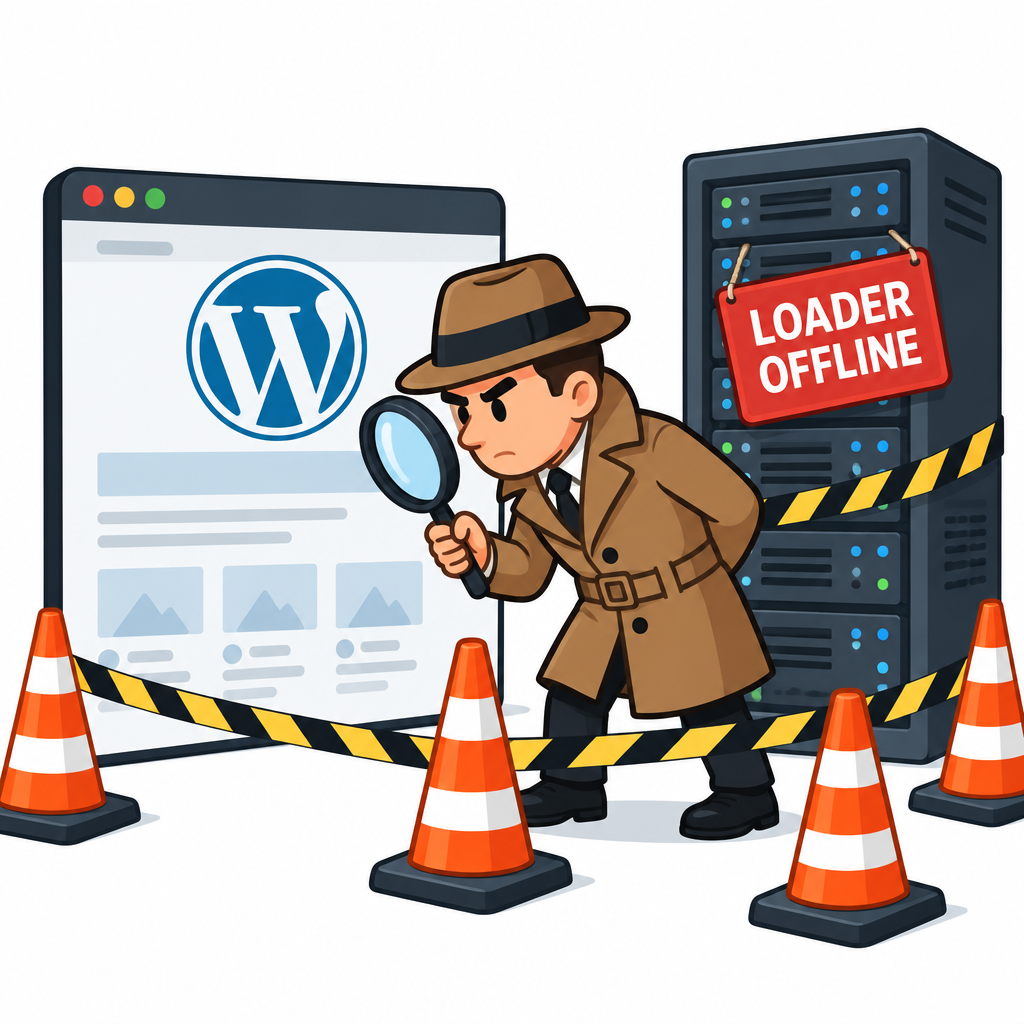
- Operation Endgame expands: Gootloader, CastleRAT, StealC disrupted: Europol-coordinated law enforcement seized servers and domains tied to multiple malware families used as stepping stones for ransomware crews. Defenders should treat this as a short-lived detection gift, infrastructure churn is coming. Source: BleepingComputer
- DOJ details international Gootloader disruption: The DOJ says Gootloader infected thousands of computers and enabled downstream ransomware deployment, with support from partners including Shadowserver. Useful for CISOs: it is a reminder that WordPress compromises still seed enterprise incidents. Source: U.S. DOJ
- Apache httpd 2.4.71 security notes (mod_http2): Apache documented a critical mod_http2 issue fixed in 2.4.71, with RCE potential tied to heap corruption. This is the kind of patch that turns into internet noise fast because the target surface is everywhere. Source: Apache httpd Project
- Proofpoint “BluePhishing” via Entra agent blueprint consent: Proofpoint described an initial access technique that social engineers consent to a malicious agent blueprint in Microsoft Entra, creating a new route for cross-tenant abuse. The practical action is audit log monitoring and tightening consent controls. Source: Proofpoint
- Cisco BroadWorks XXE now treated as exploited: Reporting notes CISA added a Cisco BroadWorks XML External Entity issue to KEV, shifting this from “patch when you can” to “patch like it is already in your logs.” Service providers should assume scans are underway. Source: SC Media
Top CVEs
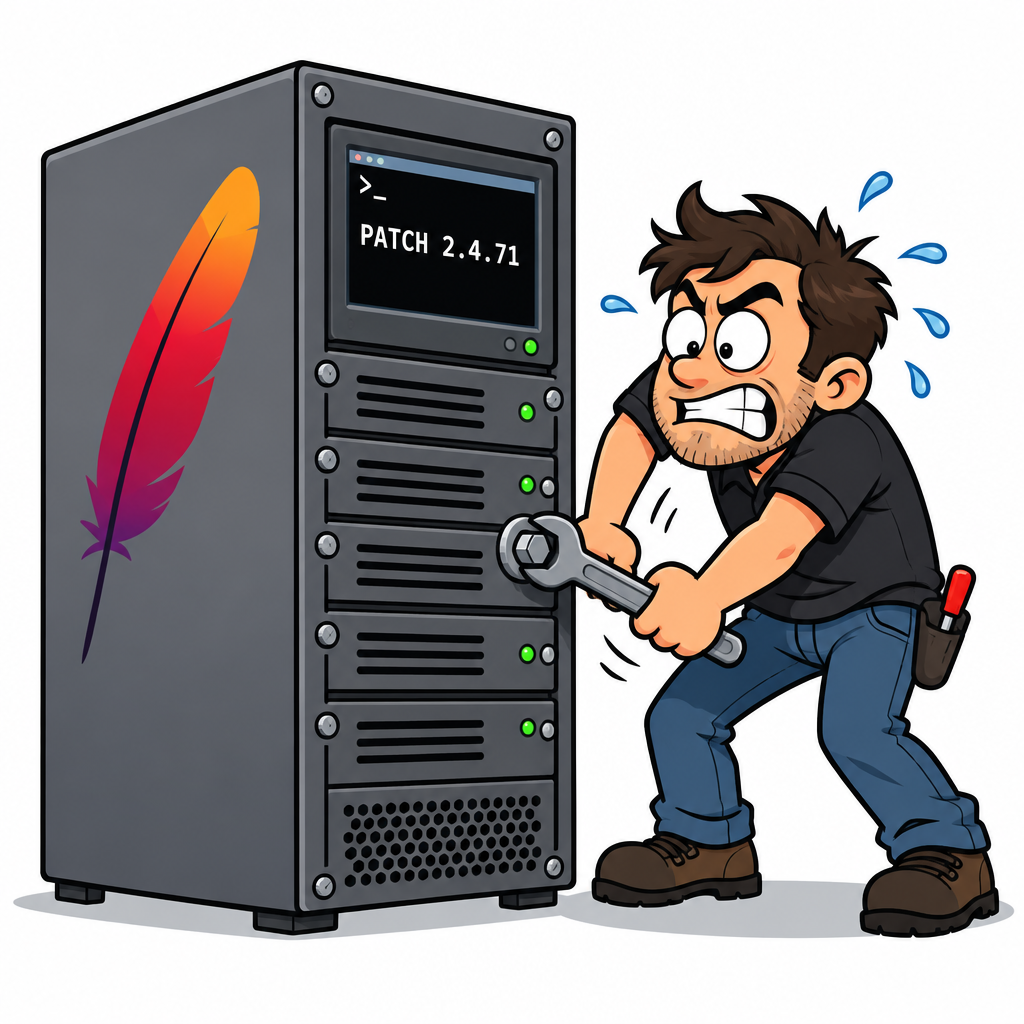
- CVE-2026-119618: A critical heap corruption issue in Apache HTTP Server mod_http2 that can lead to remote code execution, fixed in Apache httpd 2.4.71. If you run HTTP/2 on exposed front doors, treat this as a priority patch and validate module versions, not just package names. Source
- CVE-2026-121653: Ivanti Endpoint Manager Core had a critical unauthenticated SQL injection that can lead to RCE, fixed in 2024 SU8 per Ivanti’s November 2026 update. EPM is high privilege by design, so the post-exploitation path is ugly. Source
- CVE-2026-116606: Barracuda reported a pre-auth authorization bypass affecting certain products including Email Security Gateway, in an advisory covering CVE-2026-116606 and CVE-2026-111560. Mail gateways sit at the worst possible trust boundary, internet-facing and identity-adjacent. Source
- CVE-2026-20320: A Cisco BroadWorks improper restriction of XML external entity reference (XXE) vulnerability, with CISA KEV listing indicating active exploitation. The impact described in reporting is sensitive file disclosure with BroadWorks user privileges, which is plenty for lateral movement in real deployments. Source
- CVE-2026-110264: A GitLab-related issue described as an Org rendering path to RCE via Ruby regex compiler behavior, with writeups highlighting dangerous edge cases in parsing and rendering. If you self-host GitLab, track vendor guidance and isolate runners and renderers aggressively. Source
Podcasts & Talks
- SANS Stormcast, Thu Nov 12, 2026: A fast rundown of what defenders are actually patching right now, including Apache mod_http2 (CVE-2026-119618), Ivanti EPM SQLi (CVE-2026-121653), and more enterprise-grade headaches. Good to align your patch priority list with the internet’s attention span. Listen: Apple Podcasts
Final Words
The uncomfortable pattern today is that “context” is the new crown jewel. AI chat transcripts, admin tooling databases, and mail gateway state are high-signal maps of how your company thinks and operates. Attackers do not need every record. They need the right conversations and the right control plane.
This week, do three things:
- Patch Apache httpd instances running 2.4.55 to 2.4.70 with HTTP/2 enabled, and verify mod_http2 versions explicitly for CVE-2026-119618 exposure.
- Apply Ivanti Endpoint Manager 2024 SU8 (or vendor-equivalent fixed builds) and restrict network access to EPM Core services while you validate CVE-2026-121653 mitigation.
- Lock down Microsoft Entra consent paths for agent blueprints, then add an audit-log hunt for unexpected agent or blueprint consent events per Proofpoint’s BluePhishing writeup.
Your turn: If a provider told you “only 1% of customers were affected,” would your internal policy treat that as low severity, or does the word “chat transcripts” automatically make it a board-level incident? Hit reply with your one-sentence take, or drop a comment on the web version. I read every reply.
Know someone rolling out AI assistants without a vendor data-boundary review? Forward them this issue, because “agent transcripts” are tomorrow’s discovery exhibit. If you’re reading this from a forward or the web, subscribe free at secretciso.org.
Stay vigilant, stay informed, and see you in the next edition of Secret CISO!