Secret CISO 12/25: Aflac & Coupang Breaches Expose Millions, Eurostar AI Flaw Sparks Controversy, Open-source Tools Turn Malicious
Welcome to the Christmas edition of Secret CISO, where the festive spirit meets the stark reality of cybersecurity challenges. Today, we unwrap a series of data breaches that have left major corporations scrambling to protect their reputations and customer trust.
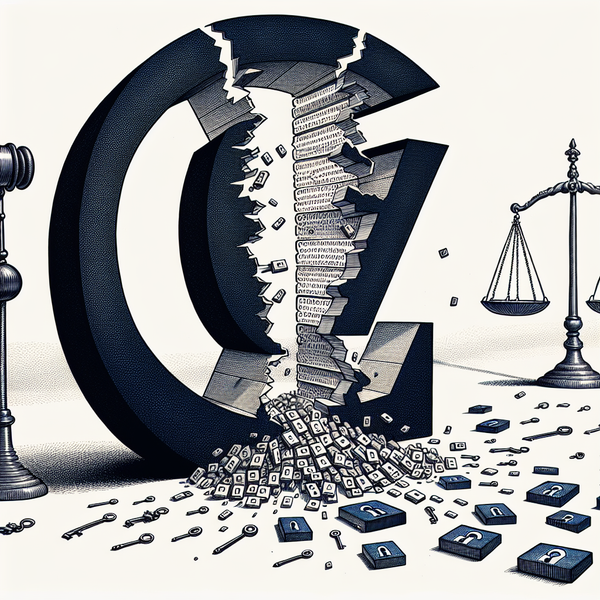
First, we delve into the Aflac data breach, a shocking incident that has compromised the personal data of over 22.7 million individuals, sparking a wave of class action lawsuits. As if that weren't enough, Coupang's data breach has not only rattled its investors but also raised serious questions about its transparency and data security practices.
In the healthcare sector, OSF Healthcare's breach has exposed sensitive patient information, while Goldman Sachs faces the fallout from a law firm breach that threatens to reveal sensitive investment data. Meanwhile, Chipotle's breach underscores the ongoing struggle to secure employee data, affecting residents in New Hampshire.
Beyond corporate breaches, we explore the ethical dilemmas faced by security researchers, as Eurostar accuses them of blackmail over an AI chatbot flaw disclosure. The open-source community is also under scrutiny, with the Nezha tool being repurposed as a remote access trojan, highlighting the dual-edged nature of open-source software.
On the geopolitical front, the US government's concerns over Chinese tech security risks remind us of the broader implications of technology in national security. Meanwhile, Nissan's data leak affecting 21,000 customers serves as a cautionary tale for companies worldwide.
Finally, we examine persistent vulnerabilities in OpenAI's ChatGPT Atlas Browser and the critical CVEs that demand immediate attention, including CVE-2025-3232, CVE-2023-32120, CVE-2023-36525, and CVE-2023-40679. These vulnerabilities underscore the relentless nature of cyber threats and the urgent need for robust security measures.
Stay informed, stay secure, and enjoy the holiday season with a heightened awareness of the digital world around you.
Data Breaches
- Aflac Data Breach: Aflac, a major U.S. insurance firm, experienced a significant data breach affecting over 22.7 million customers, beneficiaries, employees, and agents. The breach has led to numerous proposed class action lawsuits, highlighting the severe impact on personal data security. Source: SC Media, AJC, Atlanta News First, YouTube.
- Coupang Data Breach: Coupang, Inc. is under investigation by Johnson Fistel following multiple stock drops linked to data breach disclosures. The breach has raised concerns about the company's data security practices and transparency with investors. Source: PR Newswire, Morningstar.
- OSF Healthcare Data Breach: A data breach at multiple OSF healthcare facilities exposed sensitive patient information. The breach has raised significant concerns about the security of healthcare data and the potential impact on patient privacy. Source: Shaw Local.
- Goldman Sachs Law Firm Data Breach: Goldman Sachs warned its fund clients about a data breach at an outside law firm, potentially exposing sensitive investment data. This incident underscores the risks associated with third-party data handling and the importance of robust security measures. Source: TradingView, Bloomberg, Bloomberg Law News.
- Chipotle Data Breach: A data breach at Chipotle and Workday exposed sensitive employee information, including Social Security numbers and financial details. The breach affected residents in New Hampshire and highlights the ongoing challenges in securing employee data. Source: Claim Depot.
Security Research
- Researchers say Eurostar accused them of blackmail over AI chatbot flaw disclosure: Security researchers reported a flaw in Eurostar's AI chatbot, which led to accusations of blackmail from the company. This incident highlights the delicate balance between responsible disclosure and corporate response to security vulnerabilities. Source: SiliconANGLE.
- Open-source tool Nezha used as post-exploitation remote access trojan: The Nezha tool, initially open-source, has been weaponized as a remote access trojan in modern cyberattacks. This development underscores the risks associated with open-source tools being repurposed for malicious activities. Source: SC Media.
- Can we trust Chinese tech? The US government doesn't think so: Concerns over the security of Chinese-made technology have been raised by both the US government and security researchers. These concerns focus on potential espionage and data privacy risks associated with using such technologies. Source: Cybernews.
- Nissan leak affects 21,000 customers: A security breach at Nissan has exposed the data of 21,000 customers, highlighting vulnerabilities in the company's data protection measures. This incident serves as a reminder of the importance of robust cybersecurity practices in safeguarding customer information. Source: Cybernews.
- OpenAI's ChatGPT Atlas Browser Faces Persistent Security Vulnerabilities: Despite advancements in security measures, OpenAI's ChatGPT Atlas Browser continues to face security challenges due to the dynamic nature of web content. This ongoing issue emphasizes the need for continuous adaptation in cybersecurity strategies. Source: WebProNews.
Top CVEs
- CVE-2025-3232: A remote unauthenticated attacker may be able to bypass authentication by utilizing a specific API route to execute arbitrary OS commands. This vulnerability poses a significant risk as it allows attackers to gain unauthorized access and potentially control over affected systems. Organizations using vulnerable systems should prioritize patching to mitigate this threat. Source: Vulners.
- CVE-2023-32120: This vulnerability involves improper neutralization of input during web page generation, leading to a DOM-Based XSS in Bob Hostel. It affects versions from n/a through 1.1.5.1, allowing attackers to inject malicious scripts into web pages viewed by other users. Immediate updates and input validation measures are recommended to prevent exploitation. Source: Vulners.
- CVE-2023-36525: An SQL Injection vulnerability in WPJobBoard allows for Blind SQL Injection, affecting versions from n/a through 5.9.0. This flaw can be exploited by attackers to manipulate database queries, potentially leading to unauthorized data access or modification. Users should update to the latest version and implement robust input validation to safeguard their systems. Source: Vulners.
- CVE-2023-40679: A missing authorization vulnerability in Jewel Theme Master Addons for Elementor allows exploitation due to incorrectly configured access control security levels. This issue affects versions from n/a through 2.0.5.3, enabling unauthorized access to sensitive functionalities. Users are advised to review and correct access control configurations and apply necessary updates. Source: Vulners.
Final Words
As we wrap up today's edition of Secret CISO, it's clear that the landscape of cybersecurity is as dynamic and challenging as ever. From the significant data breaches at major corporations like Aflac and Coupang to the vulnerabilities exposed in healthcare and legal sectors, the importance of robust security measures cannot be overstated. These incidents serve as stark reminders of the ongoing battle to protect sensitive information in an increasingly digital world.
We've also explored the complexities of responsible disclosure, as seen in the Eurostar AI chatbot incident, and the evolving threats posed by open-source tools like Nezha being repurposed for malicious activities. The concerns over Chinese technology and the persistent vulnerabilities in platforms like OpenAI's ChatGPT Atlas Browser further highlight the need for vigilance and proactive security strategies.
In the realm of vulnerabilities, the CVEs discussed today underscore the critical need for timely updates and rigorous input validation to safeguard systems against unauthorized access and exploitation.
We hope you found today's insights valuable and informative. If you did, please consider sharing this newsletter with your friends and colleagues. Together, we can foster a more informed and secure community, ready to tackle the challenges of tomorrow.
Stay safe, stay informed, and see you in the next edition of Secret CISO!