Secret CISO 9/26: $387.5M Bitget Heist, Kiteworks Shutdown, AI Agents Steal 600K Cards, TeamCity Ransomware
A $387.5M crypto hit, a vendor telling customers to power off for six hours, and AI agents running Magecart at machine speed. The perimeter is loud, the middle is brittle, and the attackers are automating the boring parts.
Today’s vibe is “operational whiplash.” One incident is measured in nine figures, another is measured in hours, and the rest are measured in how fast your org can patch the stuff nobody thinks is internet-facing.
Today's Top 5
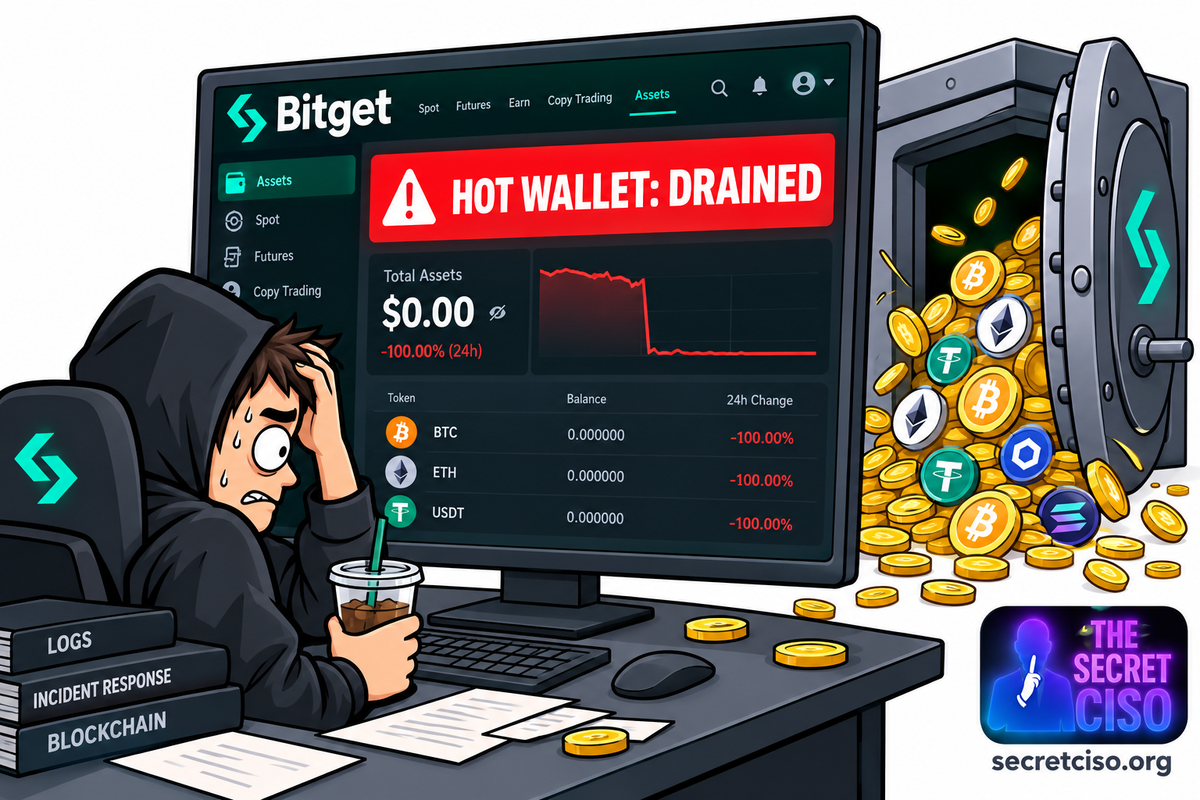
- $387.5M Bitget drain: Bitget says hackers took $387.5M and points the finger at North Korea. The early story is hot wallets, but the real question is what got inside the authorization path. Source
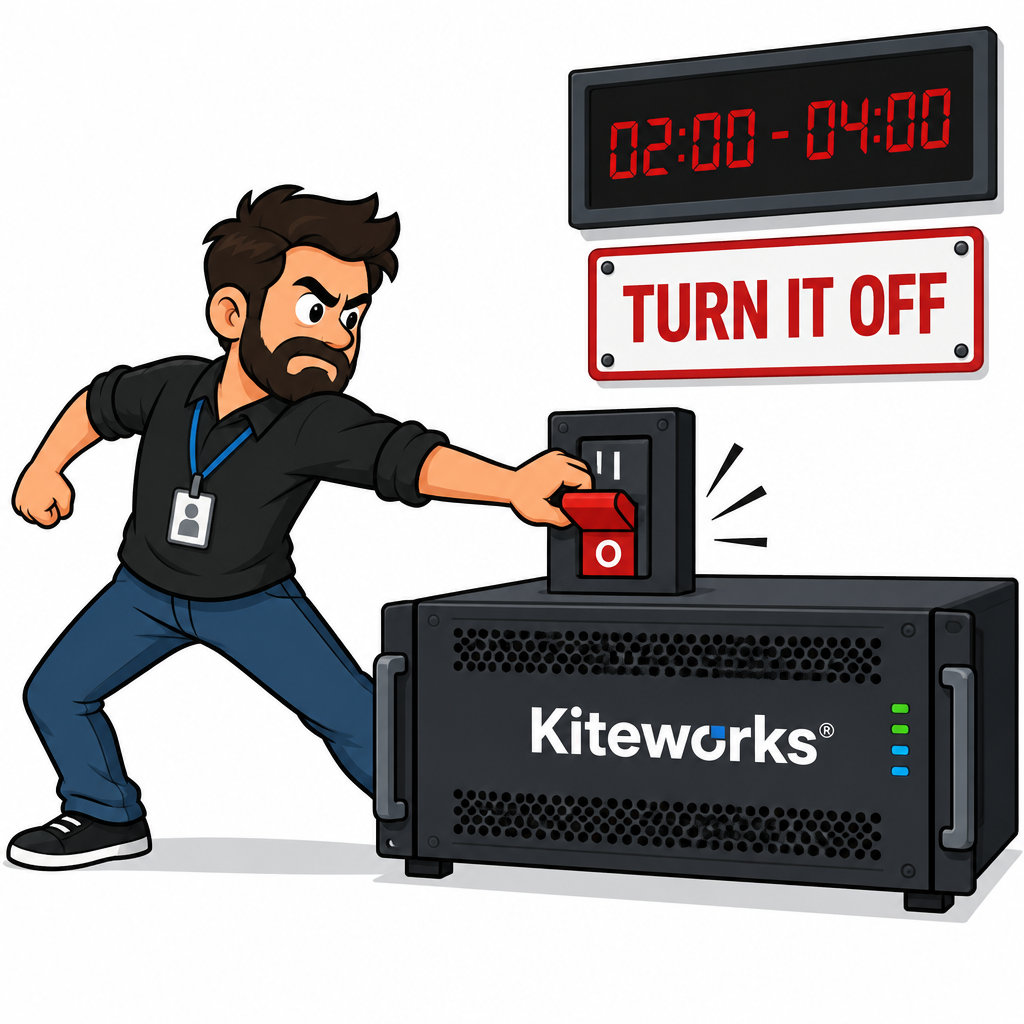
- Kiteworks: power off Saturday: Kiteworks told customers to shut down servers for a six-hour window after law enforcement warned of an “imminent” attack. When a vendor says “turn it off,” assume they know something ugly. Source
- AI agents steal 600K cards: Researchers say an operator used open-source AI agent frameworks to hit e-commerce targets and walk away with 600,000 payment cards. The scariest part is not the skimmer, it’s the tempo. Source
- TeamCity now in ransomware: CISA says ransomware crews are exploiting CVE-2026-63077 in JetBrains TeamCity. If CI is “internal,” congratulations, you just invented an attacker’s favorite kind of internal. Source
- Roundcube exploitation confirmed: Canada’s Cyber Centre says CVE-2026-48842 in Roundcube is being exploited in the wild. Webmail is still a perimeter service, even if you pretend it is not. Source
Why today matters: Two patterns collide. First, the “edge” is not just firewalls anymore, it’s CI/CD, webmail, and wallet backends. Second, attackers are automating end-to-end workflows, which compresses your detection and response window from days into minutes. The nervous people should be anyone whose patch SLAs are owned by teams who do not get paged.
Alright. Let’s get into the receipts.
Data Breaches

- Bitget says hackers stole $387.5M, CEO points to North Korea: Bitget disclosed a major exchange breach and later put losses at about $387.5 million. The company says it will cover losses via a user protection fund, but attribution and root cause are still developing. Source: The Record
- Bitget hot and warm wallets drained, withdrawals paused: BleepingComputer reports Bitget’s estimate of $351.6 million stolen from hot and warm wallets, with withdrawals temporarily suspended while it works with law enforcement and incident responders. The incident is being framed as a suspected North Korea operation. Source: BleepingComputer
- Astrana Health files an 8-K after unauthorized activity at a subsidiary: Astrana says it is assessing whether patient, employee, provider, and business data was accessed or exfiltrated. The company deemed the incident material as of September 22, 2026 and says notifications may follow. Source: SEC (8-K)
- Kiteworks warns of “imminent” attack, urges coordinated shutdown: Kiteworks told customers to shut down systems for six hours based on law enforcement threat intelligence. The company says this is precautionary and not based on a confirmed compromise. Source: TechCrunch
Security Research
- CISA: ransomware gangs now exploiting JetBrains TeamCity CVE-2026-63077: CISA warned that ransomware crews are using the TeamCity auth bypass for initial access. JetBrains patched it on July 25, so this is the part where “we’ll patch next sprint” becomes a negotiation with criminals. Source: BleepingComputer
- JetBrains details TeamCity CVE-2026-63077 and patched versions: JetBrains says the bug affects all TeamCity On-Premises versions and is fixed in 2025.11.7 and 2026.1.3, with a patch plugin for those who cannot upgrade. If your build server has HTTP(S) access, you are already in the blast radius. Source: JetBrains
- WSO2 and Adobe Commerce flaws added to KEV on evidence of exploitation: The Hacker News reports CISA added WSO2 CVE-2026-5430 and Adobe Commerce/Magento CVE-2026-71362 to KEV due to active exploitation. If you run either, treat this as an incident until proven otherwise. Source: The Hacker News
- AI-powered campaign targets online retailers, 600K cards stolen: SecurityWeek summarizes research alleging a financially motivated actor used open-source autonomous agents to scan, exploit, and deploy skimmers at scale. The cost-per-target math is the punchline, and it is not funny. Source: SecurityWeek
- Roundcube exploitation confirmed for CVE-2026-48842: Canada’s Cyber Centre says open-source reporting indicates active exploitation in the wild. If your hosting provider bundles Roundcube, assume you own the risk anyway. Source: Canadian Centre for Cyber Security
- Clop leak site compromised via Grav CMS path traversal, forced to move: BleepingComputer reports Clop’s leak site was defaced after an unpatched Grav CMS issue, pushing the gang to a new Tor address. When criminals have to do emergency migrations, mistakes happen, and defenders should watch for fallout. Source: BleepingComputer
Top CVEs
- CVE-2026-63077: JetBrains TeamCity On-Premises authentication bypass enabling remote command execution. CISA says ransomware gangs are exploiting it, which puts CI/CD credentials and artifact integrity directly at risk. Source
- CVE-2026-48842: Roundcube pre-auth SQL injection in a built-in plugin, with Canada’s Cyber Centre citing exploitation in the wild. If Roundcube is exposed, patching needs to be measured in hours. Source
- CVE-2026-5430: WSO2 path traversal that can lead to unrestricted file upload and RCE. CISA added it to KEV due to active exploitation, and WSO2 sits in exactly the places orgs forget to inventory. Source
- CVE-2026-71362: Adobe Commerce and Magento incorrect authorization that can grant elevated access without user interaction. CISA added it to KEV, and e-commerce environments should assume opportunistic scanning is already underway. Source
- CVE-2026-93616: Check Point management pre-auth vulnerability with confirmed active exploitation in the wild per Check Point’s advisory. Management planes are high-trust, and attackers know it. Source
Podcasts & Talks
- Smashing Security #486, “Vibe-coded shops, and hackable Flock cameras”: This episode ties together modern retail shortcuts and security outcomes, which maps cleanly onto today’s agent-driven skimmer story. Listen for how small engineering decisions create big attack surfaces. Listen: Smashing Security
- Cleartext (Daily) 2026-09-25: A fast daily rundown pulled from major security outlets, useful for leaders who need coverage breadth and not just the loudest headline. Good companion to your morning inbox scan. Listen: Cleartext
- Cyber Sessions (CSO Online) Episode 18, “The Evolving CISO: AI, Leadership and the Future of Cybersecurity”: Short, leadership-focused, and timely given the way AI is now showing up in both attacks and board conversations. Watch: CSO Online
Final Words
The uncomfortable pattern today is that “critical systems” are not just production apps. They are the systems that authorize transfers, compile code, deliver email, and move files between orgs. Attackers are targeting those chokepoints because the blast radius is baked in. The implication most coverage misses is simple: your best EDR in the world cannot save you if the attacker lives inside the workflow that decides what is allowed.
This week, do three things:
- Patch or isolate JetBrains TeamCity against CVE-2026-63077, and rotate any credentials TeamCity could read, especially signing keys and artifact repo tokens.
- Find every Roundcube instance and patch CVE-2026-48842, then add WAF rules and monitoring for suspicious requests and database errors tied to virtuser lookups.
- Run an e-commerce skimmer hunt: enforce a strict CSP on checkout flows, diff production JavaScript, and alert on new third-party script loads and unexpected DOM injection.
Your turn: If your exchange, treasury, or payment processor told you “balances are accurate” after a nine-figure incident, what exact evidence would you require before you let withdrawals resume? Hit reply with your one-sentence standard, or drop it as a comment on the web version. I read every reply.
Know someone who still treats wallet backends or signing infrastructure as “just another internal service”? Forward them this issue, because Bitget is a reminder that authorization paths are the real crown jewels. If you got this from a friend, subscribe free at secretciso.org.
Stay vigilant, stay informed, and see you in the next edition of Secret CISO!