Secret CISO 11/16: 22M Maileva Exposed, Drones Grounded, Cloud Ransomed, SonicWall Exploited
Today’s theme is trust collapse at scale: business-mail platforms leaking people who never signed up, defense vendors shipping tainted updates, and cloud providers getting partially encrypted. Plus: the CVEs attackers are actually moving on right now.
Today’s theme is trust collapse at scale. The systems that touch “everyone else’s data” keep getting popped, and the blast radius includes people who never had an account in the first place.
Today's Top 5
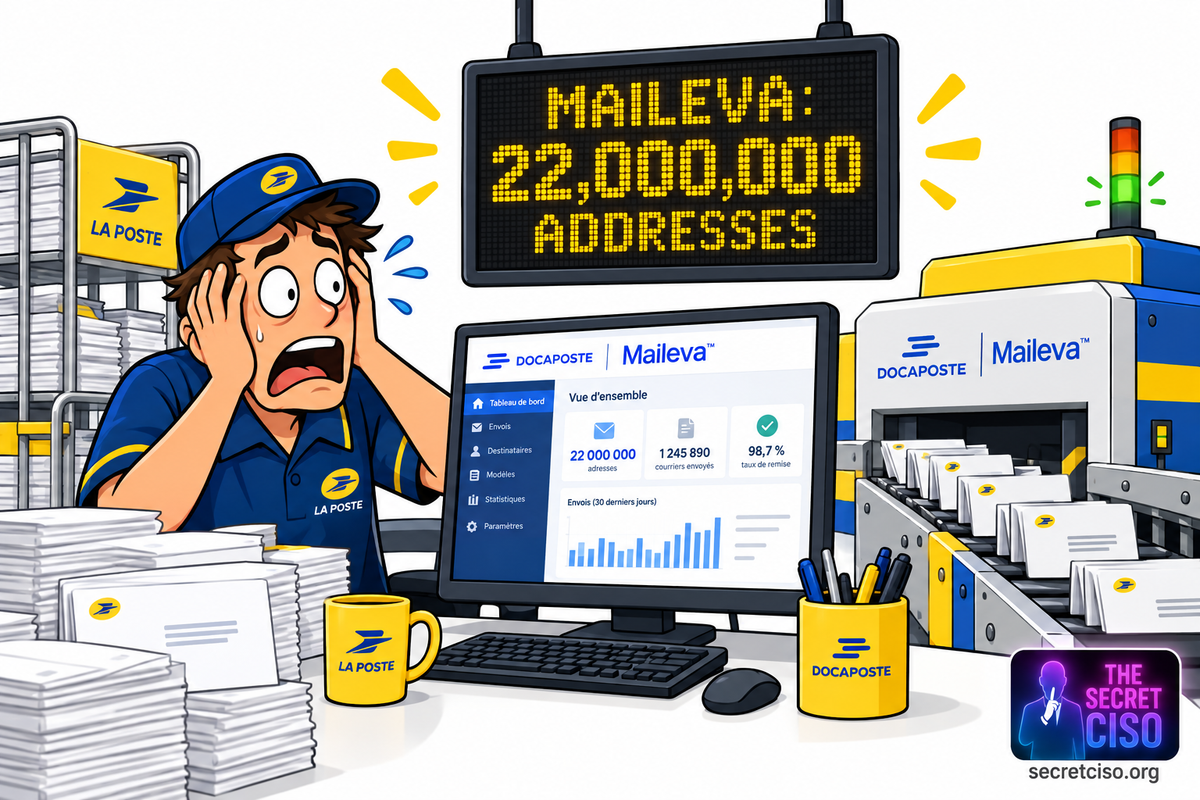
- 22 million Maileva recipients: La Poste says a complex mid-September attack spilled names and postal addresses for people who were just on the receiving end of business mail. The uncomfortable part is what criminals can infer when “snail mail” metadata goes digital. Source
- German drones paused after update hit: Quantum Systems confirmed an active attack, and reporting points to a malicious QBase software update pushed via the vendor’s update server. If your suppliers ship updates, your incident is now their CI/CD problem too. Source
- Cloud provider partially encrypted: Belarusian provider ActiveCloud says attackers encrypted part of its cloud infrastructure after a “massive cyberattack,” disrupting customer services for days. Cloud ransomware is increasingly about control plane and platform-level damage, not one Windows share. Source
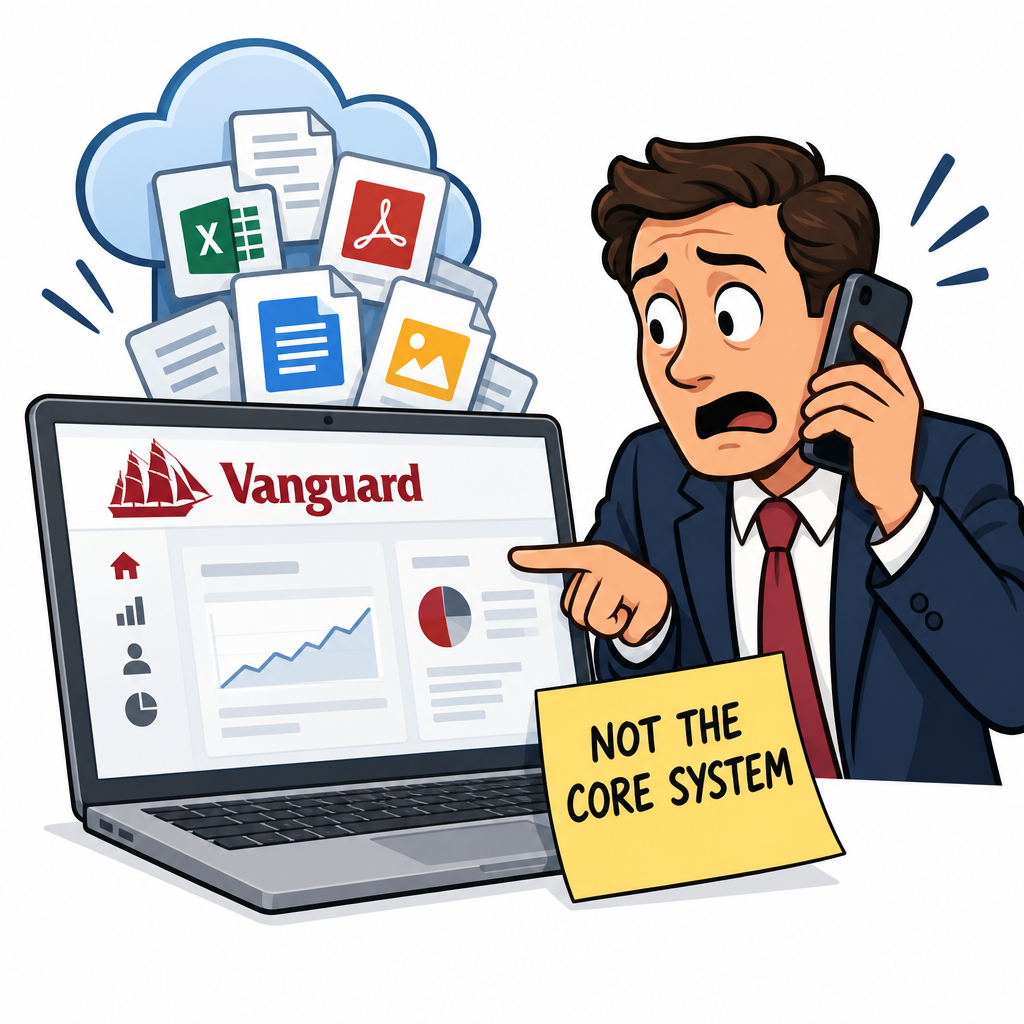
- Vanguard: social engineering into cloud apps: A filing says an intruder accessed files inside a limited number of cloud-based applications, but not account movement systems. This is the modern breach pattern: get into the SaaS layer, skip the core bank. Source
- SonicWall SSL-VPN MFA bypass exploited: SonicOS patches include an SSL-VPN auth enforcement issue that can let attackers bypass SAML controls and MFA checks under certain conditions. If you still treat VPN appliances as “set and forget,” attackers disagree. Source
Why today matters: The same three weak points keep showing up: distribution (software updates), identity (SaaS access via social engineering), and concentration (platform providers that sit between orgs and their customers). Expect more “victims who never opted in,” because indirect data flows are now the easiest place to harvest names, addresses, and context for the next scam wave.
XERJ Corpus Hub: Chasing the Quantum Systems tainted-update angle? An AI agent loading attack-flow could turn the reported update-server compromise into an ATT&CK-aligned flow you can brief to engineering, then translate it into concrete controls for signing, rollout, and rollback checks. Grab a corpus at hub.xerj.org.
Now the rest of the damage, and the sharp edges you should patch this week.
Data Breaches
- La Poste (Docaposte) Maileva: 22 million recipients exposed: La Poste says Maileva was hit by a complex cyberattack in mid-September. It reports exposure of identification data for 22 million recipients, specifically name, first name, and postal address. La Poste says document contents belong to Maileva’s clients, not Maileva, which is a polite way of saying the “metadata only” story is still a phishing goldmine. Source: La Poste Groupe
- Vanguard Group: social engineering incident in cloud apps: Vanguard’s Iowa AG filing describes a social engineering incident where an unauthorized party accessed certain files inside a limited number of cloud-based applications (July 29 to 31, 2026). Vanguard says client accounts were not accessed and money movement systems were not reached, but affected data may include names, SSNs, and dates of birth for some individuals. Source: Iowa Attorney General (PDF)
- MPOWERHealth: healthcare network access, later data discovery: A California AG sample letter says MPOWERHealth detected unauthorized access to a limited portion of its network around June 26, 2025. After forensics and manual review, it says it discovered on October 20, 2026 that certain files containing PII and PHI were present in impacted systems and may have been accessed or acquired. Source: California Attorney General (PDF)
- USA Waste-Management Resources: social engineering and SSNs: A California AG sample notice says an unauthorized party used social engineering tactics to access data between June 17 and September 3, 2026. The notice states impacted data can include Social Security numbers, and offers remediation services. Source: California Attorney General (PDF)
- Railway: breach leads to $740K in fraudulent AI charges: Railway says a breach resulted in fraudulent usage charges, totaling $740,000, tied to attacker activity in its environment. The practical lesson is ugly: even when customer data is not the main target, your billing and usage rails are still an impact surface. Source: TechRadar
Security Research

- Quantum Systems incident: update server compromise concerns: Reporting says the compromise route likely involved a malicious QBase update file distributed from the vendor’s update server, triggering precautionary operational impacts for military users. Treat this as a reminder that “secure update” is not a feature, it is a supply chain requirement with national-security consequences. Source: BleepingComputer
- ActiveCloud ransomware: platform disruption: Reports summarize ActiveCloud’s statements that attackers encrypted part of its cloud infrastructure after a large-scale cyberattack, disrupting services. Cloud incidents like this tend to involve management plane access, weak segmentation, or backup assumptions that did not survive first contact. Source: The War Record
- SonicWall patch set includes exploited SSL-VPN bypass: SonicWall released fixes for multiple SonicOS vulnerabilities, including an SSL-VPN issue reported as actively exploited. For CISOs, the key question is whether your edge devices are monitored like endpoints, including alerting on auth anomalies and config changes. Source: ITPro
- Developer cloud platform concentration risk (CSA note): A Cloud Security Alliance research note highlights how concentrated developer and AI platform services can amplify incident blast radius across many tenants and customers. The model is familiar: shared build infrastructure plus high-value tokens equals fast lateral impact. Source: Cloud Security Alliance (PDF)
- ENISA guidance on secure update mechanisms: ENISA published an advisory focused on update mechanisms, discussing the impact of both faulty updates and malicious update chains. If you run any in-house updater, this belongs on your engineering threat model checklist. Source: ENISA (PDF)
Top CVEs
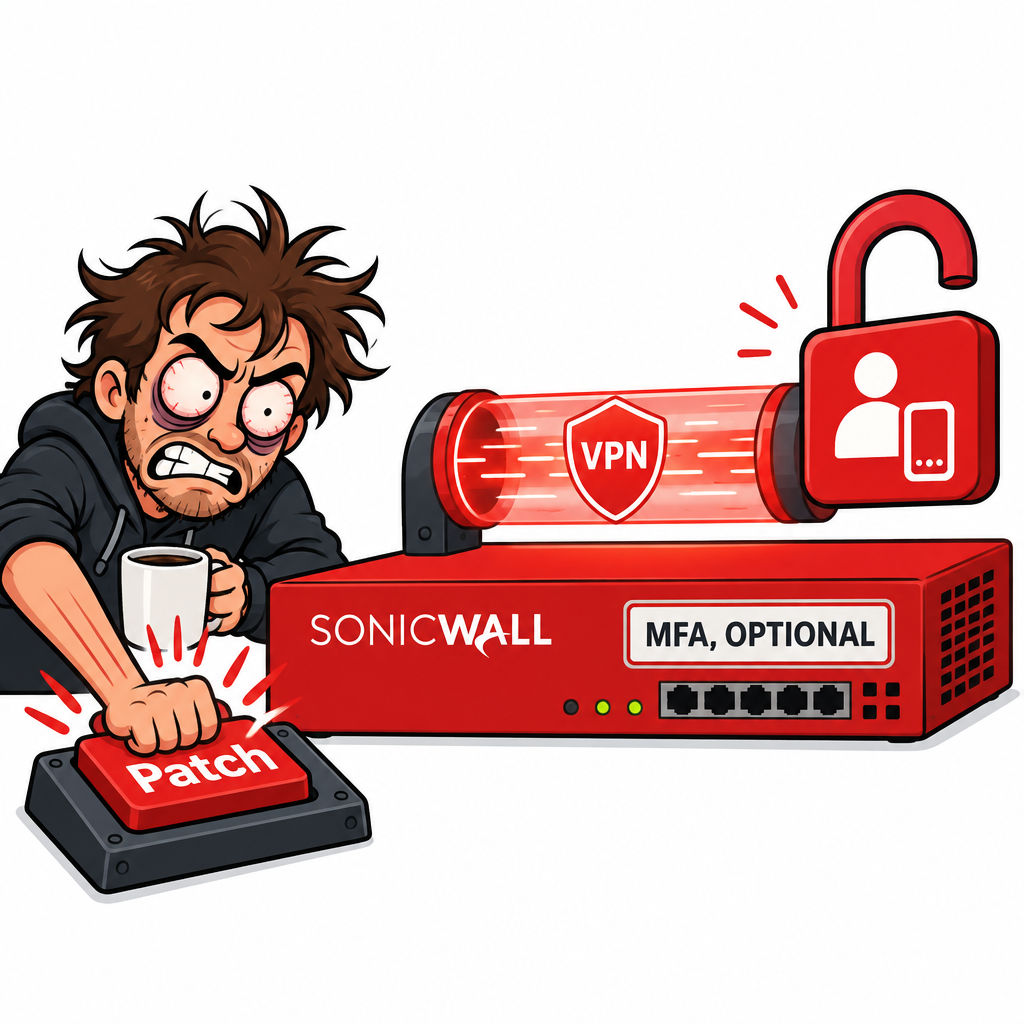
- CVE-2026-19868: SonicWall SonicOS SSL-VPN authentication enforcement issue that can enable bypass of SAML authentication controls and associated MFA checks under certain conditions. SonicWall issued fixes, and reporting notes in-the-wild exploitation signals. Source
- CVE-2026-20320: Cisco BroadWorks out-of-band blind XXE vulnerability. This has been referenced as exploited in some tracking, and Cisco has an advisory with fixed release guidance. If BroadWorks exists anywhere in your estate, treat it like an internet-exposed identity system even if you swear it is “internal.” Source
- CVE-2026-106173: Fortinet FortiSIEM path traversal affecting FortiSIEM 7.5.0 (and other versions per various advisories), with public PoC reported and exploitation reported by some sources. Prioritize patching and restrict exposure, especially if FortiSIEM is reachable from untrusted networks. Source
- CVE-2026-96652: Plex Media Server vulnerability in the Plex2Shell cluster, reported as actively exploited in the wild across NAS environments. If you have Plex on any corporate or prosumer NAS fleets, assume opportunistic scanning is already there. Source
- CVE-2026-111497: Node.js Brotli decoder out-of-bounds write, widely referred to as Node2Shell or Brotli2Shell, with broad downstream exposure risk when third-party products bundle vulnerable runtimes. Treat it as a dependency fire drill, not just a Node.js team problem. Source
Podcasts & Talks

- Darknet Diaries (Nov 3, 2026 episode): A follow-up episode that revisits a prior story with a multi-year outcome update. For CISOs, it is a useful reminder that incident narratives have long tails, and “we handled it” is not the same as “it is over.” Listen: Darknet Diaries
Final Words
Today’s underlying pattern is that trust is being exploited as an interface. Not just user trust, but vendor trust, platform trust, and “I never even signed up for this” trust. The uncomfortable implication most coverage misses is that indirect identity data, names, postal addresses, recipient lists, and cloud app files, is enough to bootstrap the next wave of fraud without ever stealing a password.
This week, do three things:
- Patch SonicWall SonicOS for CVE-2026-19868, then review SSL-VPN auth logs for unusual SAML flows and unexpected successful sessions from new geos.
- Audit your secure update process and supplier requirements, specifically signing, staged rollout, and rollback verification, using the Quantum Systems QBase incident as your tabletop scenario.
- Run a SaaS “blast radius” review for your finance and HR cloud apps, including admin role inventory, token hygiene, and mandatory phishing-resistant MFA, using Vanguard’s cloud-app file access pattern as the test case.
Your turn: If a criminal had your name and home address from a third-party mail platform leak tomorrow, what is the single most believable pretext they could use to get your team to change an account, ship hardware, or approve a payment? Hit reply with one sentence, or drop a comment on the web version. I read every reply.
Know someone whose org still treats software updates as “the vendor’s problem”? Forward them the Quantum Systems story. It costs 30 seconds, and the alternative costs a quarter. For forwarded and web readers, subscribe free at secretciso.org.
Stay vigilant, stay informed, and see you in the next edition of Secret CISO!