Secret CISO 11/19: 190K Sites Tainted, Infoblox SharePoint Raid, Uber IDs Exposed, Puppet KEV
Third-party access keeps turning into first-party pain. Today: Infoblox’s SharePoint vendor path, Uber’s driver-license exposure via provider creds, a ransomware production halt at Osaki, and a KEV-worthy Puppet server bug that can become an org-wide blast radius.
The ugly through-line today is “trusted access that nobody re-validated.” Vendors, migration accounts, and management servers keep showing up as the quiet hinge point between normal ops and a very loud incident.
Today's Top 5
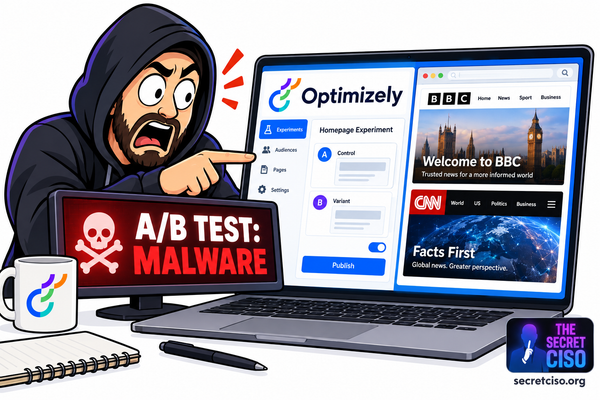
- 190,000 sites, one poisoned script: The Optimizely compromise story keeps getting bigger in the numbers, and smaller in the root cause. If your web team treats A/B tooling as “marketing-only,” you are about to have an awkward meeting. Source
- Infoblox SharePoint vendor path: Infoblox confirmed a SharePoint-side data exposure tied to a third-party migration vendor. The part to focus on is not SharePoint, it is the “trusted access” shape of the intrusion. Source
- Uber driver IDs in cloud storage: Uber’s breach notice says compromised service-provider credentials were used to access a cloud storage environment with driver’s license images and extracted text. Alerting was on, but valid access kept it quiet. Source
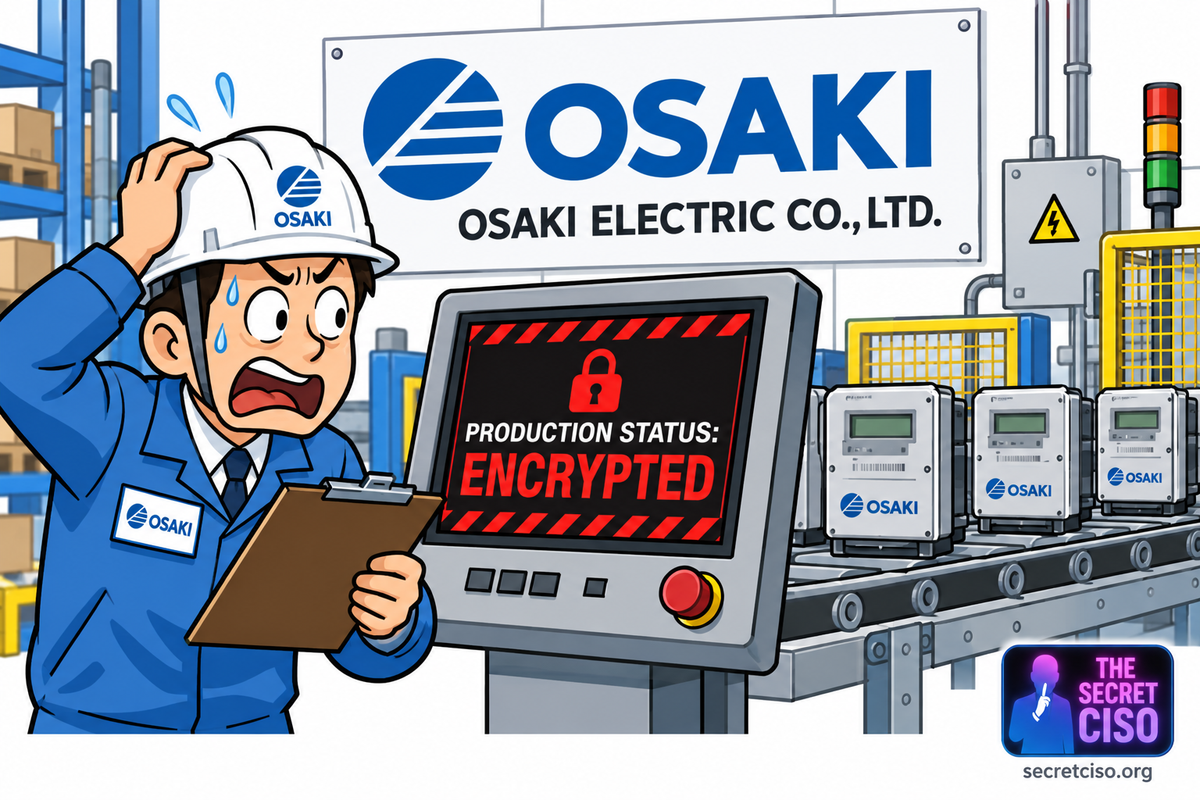
- Osaki halts production after ransomware: Osaki Electric disclosed a ransomware incident that forced a production-system shutdown and smart meter shipment suspension. The timeline is tight, the operational impact is immediate, and the data-leak question is still open. Source
- Puppet server bug hits KEV: A critical deserialization issue in Puppet Server has the kind of blast radius CISOs hate, one control-plane box that can touch every node. If it is internet reachable, you do not have time. Source
Why today matters: Attackers are optimizing for leverage, not stealth. They go where one credential, one vendor account, or one management server turns into many downstream targets. The uncomfortable signal is that “secure the crown jewels” is not enough when the crown is administered through third-party workflows and automation planes.
Our pick, a19i: The Infoblox incident is a clean reminder that your own web apps and APIs are still the doors attackers jiggle first, even when the break-in starts at a vendor. a19i’s Automated Cyber Safari maps your app and writes the test plan for free before you pay. Then decide. Try a19i.com.
Now, the receipts and the fixes.
Data Breaches
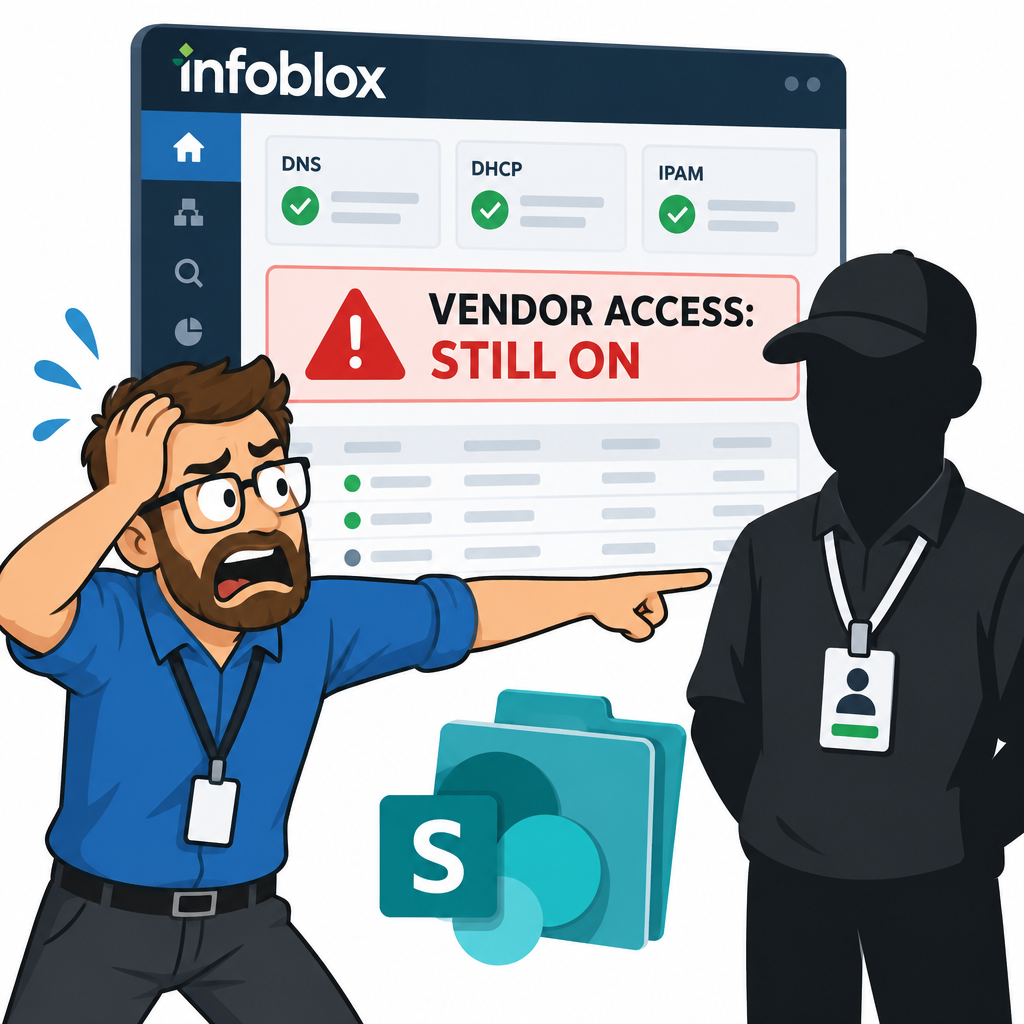
- Infoblox confirms company and customer data exposed in SharePoint breach: Infoblox says it is investigating unauthorized access and data theft tied to a SharePoint-related incident. Reporting indicates a third-party data migration vendor had trusted access, which attackers leveraged to pull data from SharePoint. Source: TechRadar
- Uber breach exposed driver’s license images and data: Uber’s Iowa AG filing says an unauthorized party used compromised credentials from a service provider to access a cloud storage environment. Impacted data includes images of driver’s licenses and extracted text such as name, address, date of birth, and license number. Source: Iowa Attorney General (PDF)
- Osaki Electric production halted after ransomware cyberattack: Osaki Electric disclosed ransomware encryption of server data discovered around 10:35 a.m. on November 17, 2026, followed by network disconnection and shutdown of production-related systems. The company says it is investigating whether data was leaked externally. Source: Osaki Electric (PDF)
- TSMC employee data made available online: TSMC disclosed that some current and former employee data was made available on an external website without authorization. If your executive team thinks “employee-only” leaks are low priority, remind them what payroll data does to phishing success rates. Source: SEC Form 6-K repost
- Photoworks, Inc. breach reported to Vermont AG: A new state breach report entry indicates Photoworks, Inc. reported a data breach to the Vermont Attorney General on November 18, 2026. Public record details are limited, so expect affected-party letters to carry the real specifics. Source: DisclosureLens
Security Research
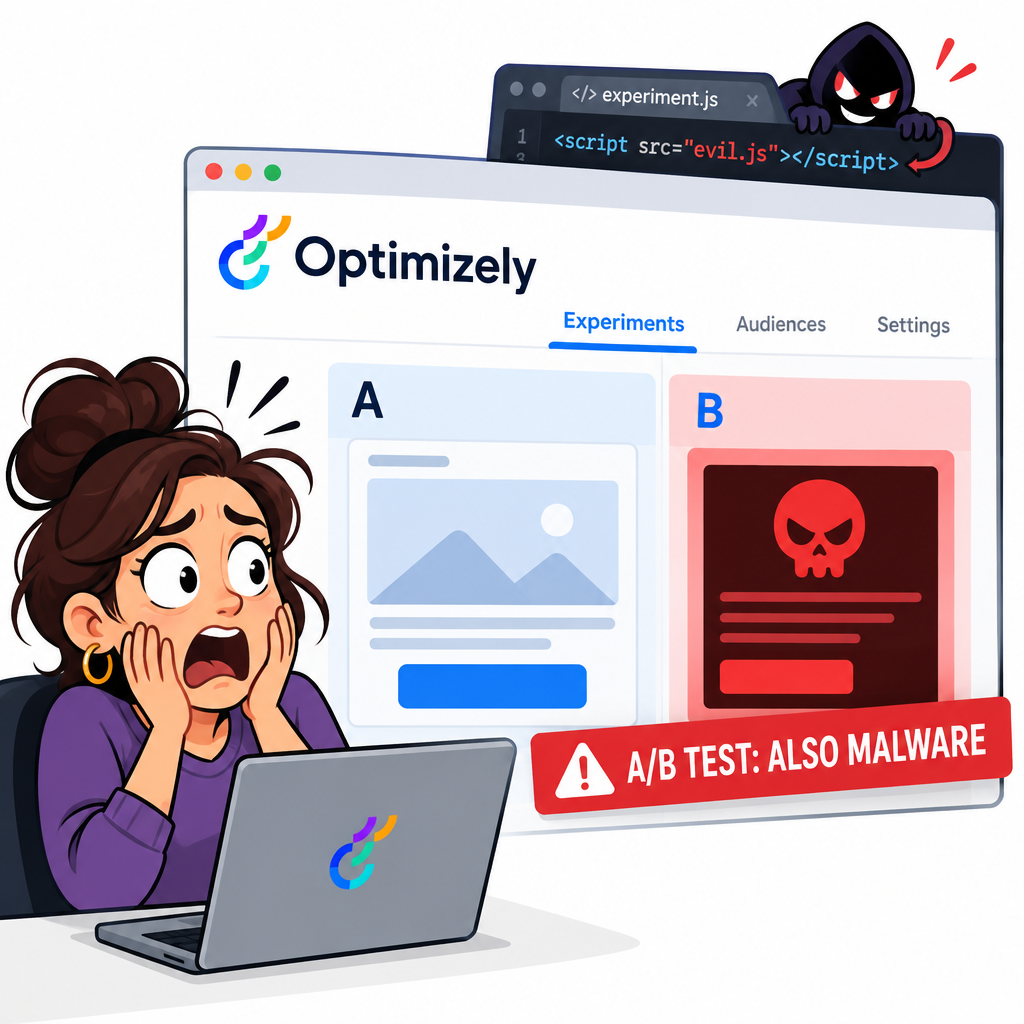
- Optimizely compromise analysis expands impact radius: New reporting summarizes how malicious JavaScript was inserted into Optimizely-related code used by many organizations, turning web pages into delivery vehicles. The security lesson is brutal: supply chain security is now front-end security. Source: Tom's Guide
- PHP2Shell response lessons, including “zero-notice patch day”: A postmortem-style write-up highlights how quickly exploitation attempts followed disclosure for PHP flaws, and how much PoC churn was low quality, reportedly AI-generated. Incident response plans built around advance warning will keep failing. Source: IT Pro
- Active exploitation: Siemens Software Center: Siemens and national CERT guidance continues to warn CVE-2026-110936 is being exploited in the wild. This is the kind of “desktop tool becomes initial access” problem that keeps showing up in manufacturing and engineering environments. Source: Canadian Centre for Cyber Security
- Exploited-in-the-wild: Idunno.AntiCsrf insecure deserialization: Mandiant-reported CVE-2026-131914 is an unauthenticated insecure-deserialization flaw in a defunct ASP.NET anti-CSRF library. The kicker is “no patch,” meaning removal and dependency cleanup is the fix. Source: ZeroDay Watch
- Puppet/OpenVox report deserialization RCE details: The OpenVox advisory for CVE-2026-115731 documents how crafted report content can trigger code execution via deserialization behavior. Control planes that accept reports, telemetry, and “events” keep being weaponized. Source: GitHub Security Advisory
Top CVEs
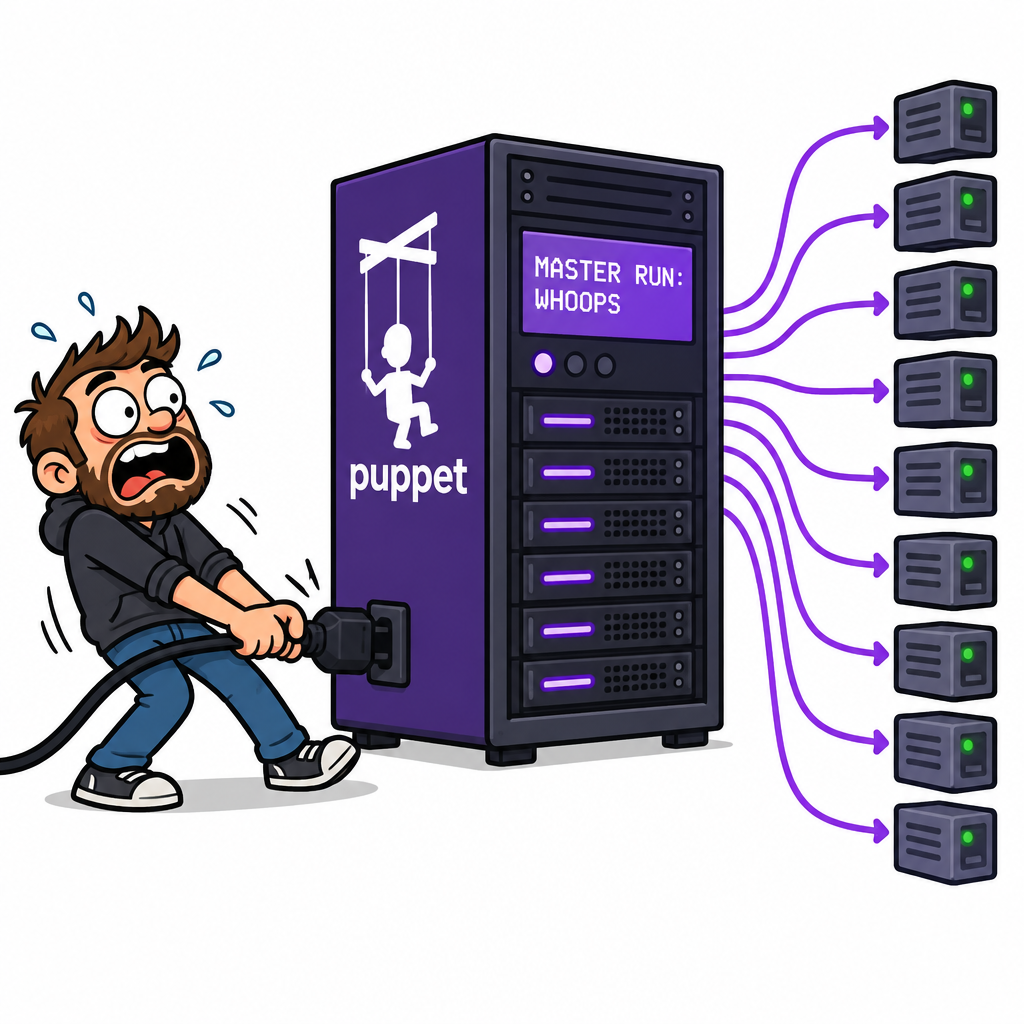
- CVE-2026-115731: A critical deserialization code execution issue in Puppet Server / OpenVox related builds, with CISA KEV listing reported elsewhere. High risk because a compromised config management server can pivot to every managed node. Source
- CVE-2026-110936: Siemens Software Center vulnerability reported as actively exploited in the wild. Treat endpoints running engineering tooling as initial-access targets, not “just desktops.” Source
- CVE-2026-131914: Idunno.AntiCsrf insecure deserialization reported by Mandiant, with exploitation observed and no patch planned. Find it, remove it, and hunt for web apps that still ship it. Source
- CVE-2026-109618: One of the PHP2Shell core PHP flaws, described as enabling critical unauthenticated compromise in impacted configurations. If you still have “mystery PHP” behind a reverse proxy, that is not a mitigation. Source
- CVE-2026-109619: The companion PHP2Shell issue in PHP core, with similar unauthenticated impact depending on deployment and version. Expect opportunistic scanning to persist well after the news cycle ends. Source
Podcasts & Talks
- Risky Business Podcast: November 18, 2026: This week’s episode threads together crypto theft, AI crime economy angles, and the industry’s tendency to overreact to the wrong parts. Useful listening for CISOs who need better board-level narratives than “because hackers.” Listen: Risky Business
- Security Now #1105 (Nov 17, 2026): A long-form episode that is good for leaders who want to understand why failures cascade when core services go dark, and what “verification” actually means in modern software. Listen: TWiT
Final Words
Today’s pattern is not “more breaches.” It is more breaches that start in the seams: vendor access, migration projects, and management infrastructure that was treated as inside by default. The uncomfortable implication is that identity and workflow governance, not perimeter controls, is becoming the real kill switch for impact.
This week, do three things:
- Inventory and lock down all third-party SharePoint and M365 access paths, including migration vendors, and require time-bounded access with logging you actually review, using the Infoblox case as your tabletop.
- Patch or mitigate Puppet/OpenVox systems for CVE-2026-115731, then confirm your Puppet server is not internet reachable and rotate any credentials that could have been exposed via report ingestion.
- For Uber-style “valid credentials, no alerts,” add anomaly detection and explicit exfil thresholds on cloud storage buckets used for vendor work, and require just-in-time access with forced re-authentication.
Your turn: If a trusted vendor account hit your SharePoint tenant tomorrow, would your SOC know what “normal” looks like for that vendor within 15 minutes, or would you learn from a journalist? Hit reply with your answer, or drop a comment on the web version. I read every reply.
Know someone running a migration project right now with broad tenant access and zero time limits? Forward them this issue, because “temporary access” has a funny way of becoming permanent risk. For everyone else: subscribe free at secretciso.org.
Stay vigilant, stay informed, and see you in the next edition of Secret CISO!