Secret CISO 11/20: 16K Chase Emails Leaked, Confluence RCE, AI Gateway KEV, POPFLEX Card Skim
Today’s theme: “not core systems” still hurts like core systems. Vendor marketing exports, forgotten SOAP endpoints, and AI gateway defaults are now front doors. Plus: a fresh ecommerce card-data notice and a KEV-heavy patch sprint.
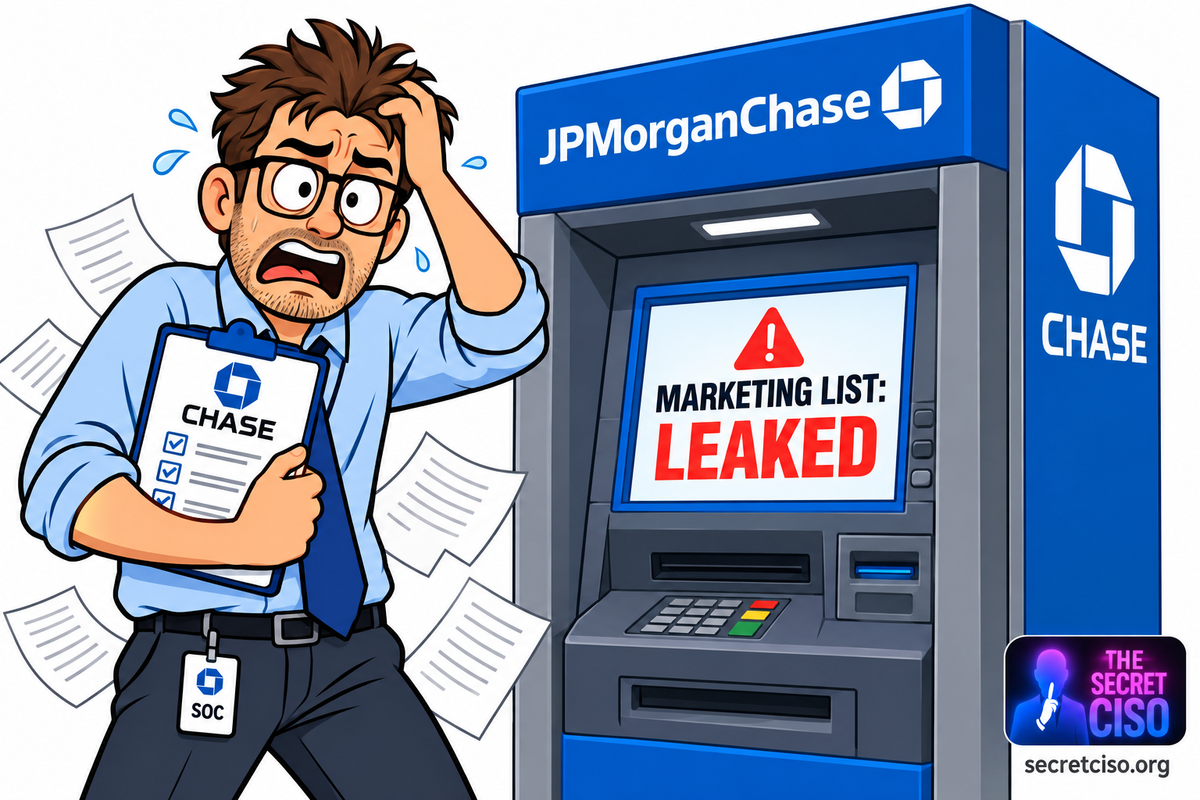
Today’s damage comes from the stuff nobody wants to own: marketing vendors, legacy SOAP toggles, and “temporary” AI gateways that quietly became production. Attackers love your org chart.
Today's Top 5
- 16,000 Chase emails leaked: A vendor-side hit spilled customer emails and some phone numbers, plus employee emails in places. The scary part is what pretexting looks like when the victim list is already curated. Source
- Confluence SOAP endpoint pops shells: Real-world exploitation of CVE-2026-90436 shows how one dusty Axis 1.x dependency can turn a collaboration box into a launchpad. The observed post-exploitation tooling gets more “automated” by the week. Source
- Check Point chain goes from web to wiper: WaterISAC highlights a PHP-to-Gaia OS chain used for initial access, then root, and in some cases wiper deployment. This is the new baseline: intrusion plus sabotage in one runbook. Source
- LiteLLM added to KEV: CISA’s KEV adds an enterprise AI gateway to the “drop everything” list, which should scare anyone piping sensitive prompts and API keys through a proxy they installed on a Friday. Source
- POPFLEX card data notice: A Massachusetts filing says shoppers’ payment card data with CVV may have been accessed in an incident tied to website checkout. If you still treat web skimming as “retail only,” please don’t. Source
Why today matters: The common thread is “secondary systems” becoming the primary breach path: vendor-held marketing data, optional Confluence SOAP APIs, and AI proxies that sit between apps and crown-jewel LLM keys. The next wave of incidents will not start in your datacenter, it will start in your integrations list, and it will move faster than your change window.
Our pick, a19i: The Chase vendor leak is a reminder that attackers do not need core banking access to run devastating web-driven fraud. a19i’s Automated Cyber Safari helps you pressure-test your own internet-facing web apps and APIs with only reproduced findings, no scanner noise, so you can fix what is actually exploitable. Get a same-day report: a19i.com.
Alright, let’s get into what to brief before lunch.
Data Breaches

- JPMorgan Chase customer marketing data leaked after vendor cyberattack: Chase said third-party service providers were targeted and attackers accessed certain marketing data held by those vendors. Exposed data includes customer names and email addresses, and in some cases phone numbers, with the leak posted publicly. Source: AP News
- POPFLEX (oGorgeous Inc.) checkout data security incident: A state filing notice says personal data provided during purchases may have been involved, including name, billing address, email, and payment card data with expiration date and security code. Treat this like a skimmer-style incident until proven otherwise, and assume replay attempts follow fast. Source: Mass.gov (PDF)
- WireCo WorldGroup breach notice: WireCo says it discovered unauthorized activity in July and later learned it was a cyberattack by a known sophisticated threat actor. The company describes containment actions and notifications to current employees. Source: WireCo
- Perry Local Schools cyber incident (Ohio): The district said an investigation determined malware caused the incident and it engaged state resources for response. School districts remain a high-confidence extortion and disruption target, even when initial reports avoid the “ransomware” word. Source: Cleveland 19 News
Security Research
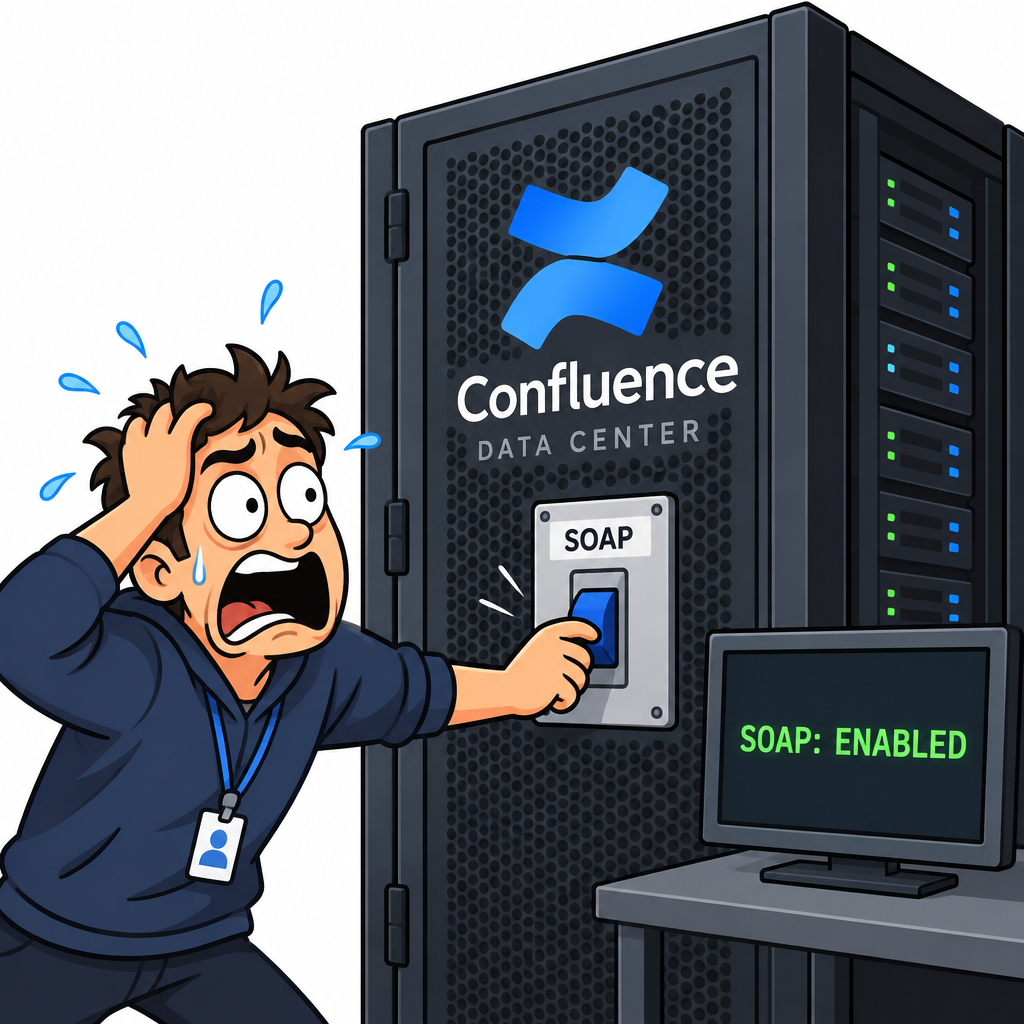
- Active exploitation of Apache Axis flaw impacting Confluence Data Center and N-able N-central: Rapid7 reported observed exploitation against Confluence and details how attackers triggered the SOAP Axis endpoint, then executed shell commands and pulled tooling through tunnels. It is the rare blog post that reads like an incident response timeline because it is one. Source: Rapid7
- WaterISAC priority list flags Check Point exploitation chain and more: The advisory summarizes a PHP initial access path chained with a Gaia OS DynamicCLI daemon issue to reach root, and notes wiper deployment in some cases. It also flags Axis exploitation and ScreenConnect client abuse. Source: WaterISAC
- CISA KEV adds multiple actively exploited flaws including LiteLLM and Axis: A live tracker summarizing the KEV update highlights enterprise software used as infrastructure glue, including an AI gateway proxy component. If your vuln program does not have a “KEV fast lane,” you are already behind. Source: Cyber-threat.net
- Java4Shell patch pressure ramps up: Reporting notes Oracle patched CVE-2026-114938 in its November CPU, with agencies urging rapid inventory and updates. This is a classic “you cannot patch what you cannot find” moment for Java runtimes embedded in appliance-like apps. Source: TechRadar
- AI and vulnerability discovery pace anxiety goes mainstream: A broader piece frames how faster discovery and exploitation compresses the patch window and pushes defenders toward prioritization over completeness. CISOs should read this as a budgeting argument for patch automation and asset intelligence, not a philosophy debate. Source: The Atlantic
Top CVEs
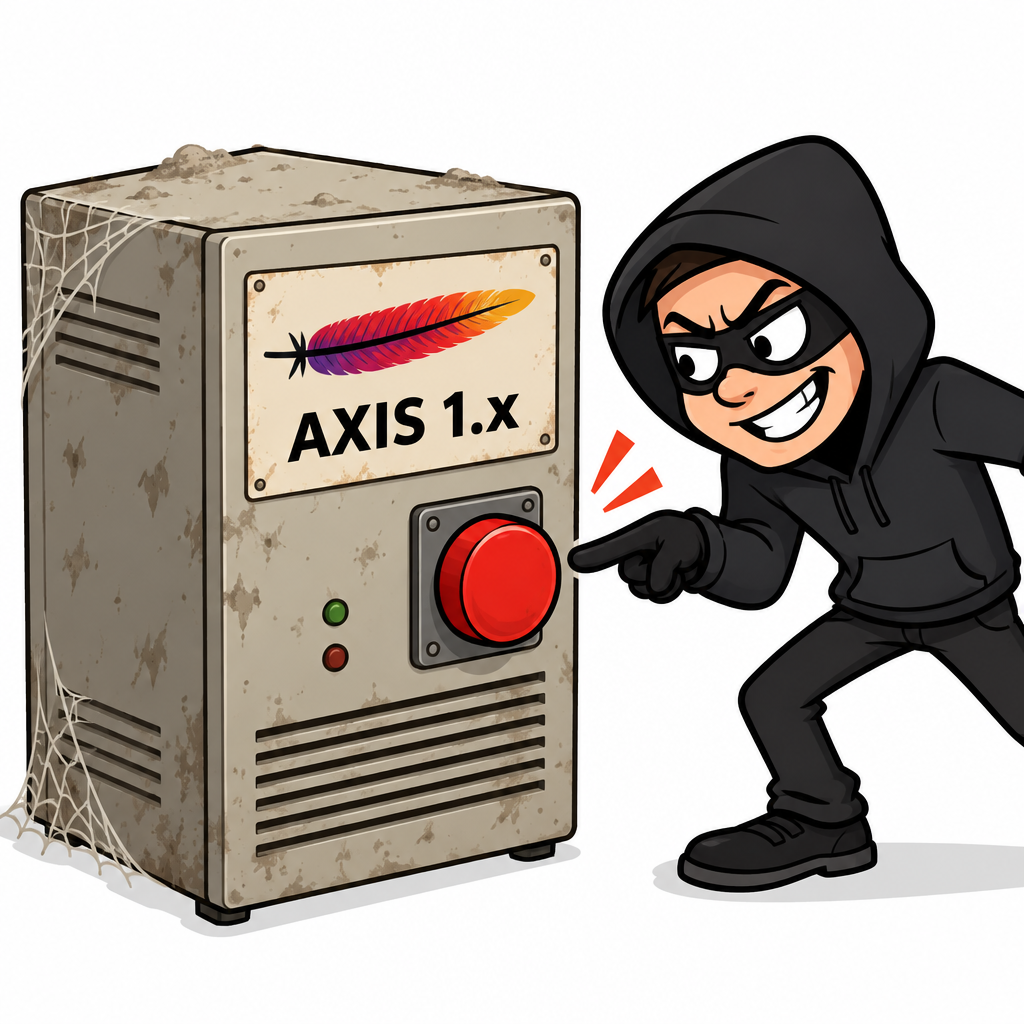
- CVE-2026-90436: A critical unsafe reflection issue in Apache Axis 1.x that can enable unauthenticated remote code execution in certain downstream products that bundle Axis. Rapid7 reports exploitation against Atlassian Confluence Data Center and N-able N-central under specific configurations. Source
- CVE-2026-40217: A LiteLLM vulnerability called out as actively exploited in KEV tracking, impacting versions in a defined range per public advisories. If LiteLLM sits between internal apps and LLM APIs, treat it as an internet-facing gateway even when it is not. Source
- CVE-2026-114938: “Java4Shell” affects Oracle Java and OpenJDK, with patch guidance landing in Oracle’s November CPU cycle. The business risk is not just RCE, it is the sprawl of embedded runtimes across app servers, agents, and vendor bundles. Source
- CVE-2026-84869: A ConnectWise ScreenConnect client issue highlighted in industry prioritization guidance, with exploitation reported against MSP technicians. Remember that “client-side” in remote support tooling still lands inside privileged IT workflows. Source
- CVE-2026-123039: A Check Point Gaia OS DynamicCLI daemon flaw described as part of an exploitation chain that can lead to root access and, in some incidents, wiper deployment. If you run these gateways, assume they are in the blast radius even if perimeter logs look quiet. Source
Podcasts & Talks

- “Our AI Strategy Is Mostly Based on Saying ‘It’s Not Fair’” (CISO Series Podcast, published Nov 17, 2026): A leadership-focused take on how orgs rationalize AI risk decisions when ownership is fuzzy. Useful for CISOs who need language for governance that does not sound like a policy memo. Listen: CISO Series
Final Words
The uncomfortable pattern today is that “optional” surfaces are now default targets. Marketing datasets become phishing accelerants, SOAP endpoints become RCE, and AI gateways become a new tier of identity and secret sprawl. The threat model shift is speed: attackers do not need persistence when they can rotate through your weak seams faster than your ticket queue moves.
This week, do three things:
- Hunt for and disable Confluence “Remote API (XML-RPC & SOAP)” where not required, then validate exposure and mitigations for CVE-2026-90436 across Confluence Data Center and any Axis 1.x dependency paths.
- Inventory and patch or isolate Check Point gateways implicated in the PHP2Shell plus Gaia OS chain, prioritizing CVE-2026-123039 and any vendor guidance referenced by WaterISAC.
- Find every LiteLLM deployment, treat it as a production gateway, and fast-track fixes and compensating controls for CVE-2026-40217, including auth hardening and strict network exposure review.
Your turn: If a “Chase Reserve benefits” themed email hit your exec team tomorrow, would your security team have a way to confirm it is vendor-origin spam versus a targeted phish built from leaked marketing exports? Hit reply with your honest answer, or drop a comment on the web version. I read every reply.
Know someone running Confluence Data Center with legacy integrations still enabled? Forward them this issue, because the SOAP toggle you forgot about is exactly the one an attacker will remember. For everyone else: subscribe free at secretciso.org.
Stay vigilant, stay informed, and see you in the next edition of Secret CISO!