Secret CISO 11/21: vCenter Zero-Day, 1M Osaka Emails, PyPI Credential Stealer, NGINX RCE
This week’s attackers are not “breaking in” so much as walking through the places you assumed were boring: package registries, file-sharing portals, and admin planes like vCenter. The blast radius keeps coming from the plumbing.
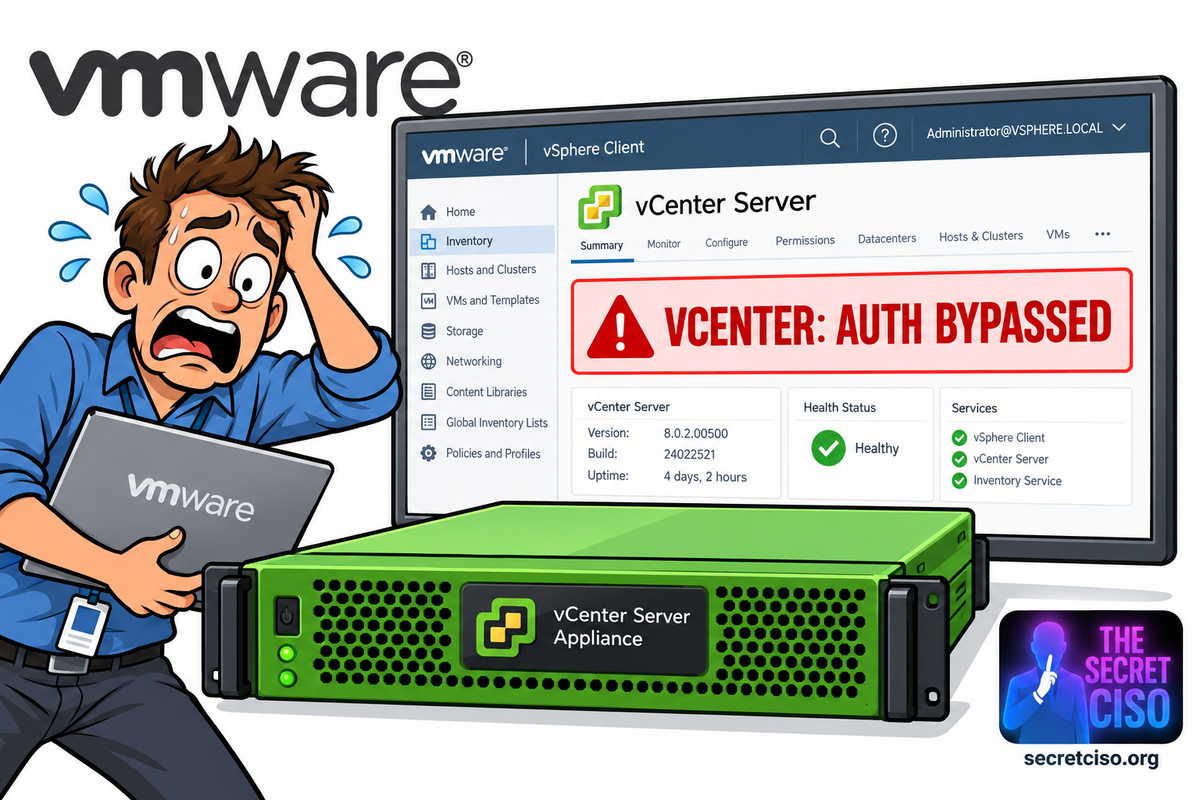
The last 48 hours made one thing painfully clear: your biggest exposure is still the stuff everyone treats like background noise. Admin planes, dependency feeds, and file-sharing portals keep turning into the main event.
Today's Top 5
- CVE-2026-123890 vCenter auth bypass: Broadcom patched a critical vCenter flaw after reports it’s being exploited, and the worst part is what it implies about who had access first. Source
- 1M+ Osaka City emails exposed: Osaka says a third-party platform supporting citizen online services was hit, and the leak size is big enough to feed a year of targeted fraud. Source
- Microsoft agent-framework on PyPI poisoned: Two malicious releases executed at Python startup via .pth hooks, which is exactly the kind of “no one noticed” supply chain path that ruins weekends. Source
- NGINX HTTP/2 RCE goes public: Researchers disclosed critical HTTP/2 bugs with a Rapid7 PoC, and mitigation guidance is awkward for anyone who enabled HTTP/2 everywhere “because performance.” Source
- Eskenazi Health substitute breach notice: A fresh healthcare notice dropped, and the phrasing reads like the early stage of a longer incident timeline. Watch what details change next. Source
Why today matters: The pattern is “control planes and distribution channels.” Attackers are prioritizing the places that can change lots of systems fast: vCenter, package registries, web front doors. If your patch process and dependency governance are slow, you are the soft target even with great EDR.
Our pick, a19i: Today’s vCenter story is a reminder that even if the intrusion starts somewhere else, attackers still cash out through your exposed web apps and APIs first, because they are the easiest doors to rattle at scale. a19i’s Automated Cyber Safari reports only findings it reproduced, with the request, response, impact, and fix. The report usually lands the same day. A quick run is often enough to surface the “obvious but real” issues your backlog keeps deferring. Take a look at a19i.com.
Alright, into the receipts.
Data Breaches

- Osaka City third-party system leak: Osaka disclosed it was affected via a third-party service provider (TKC) tied to its online administrative system for citizen accounts and notifications. Reporting says more than a million email addresses were exposed. Source: TechRadar
- Japan Digital Agency file-sharing breach: Japan’s Digital Agency said unauthorized access hit the Government Solution Service (GSS) file-sharing platform, detected on November 12, 2026, with unauthorized access spanning roughly three months from July 30. The details matter because it’s the same “shared service” story we keep seeing in government ecosystems. Source: TokyoReporter
- Eskenazi Health security incident notice: Eskenazi Health published a substitute notice on November 20, 2026 describing unauthorized access to personal information, including PHI. Expect follow-on detail on what data elements were confirmed and what access path was used. Source: Eskenazi Health
- EU institution hit by AI-generated attack: An EU official confirmed a cyberattack in October that impacted tools and services, with some still offline as of November 19, 2026. Officials said they have not detected evidence of a breach affecting staff “as a whole,” which is carefully worded. Source: AP News
Security Research
- vCenter auth bypass exploited: Broadcom issued guidance for vCenter affected by CVE-2026-123890. Multiple trackers indicate exploitation activity and defenders are treating it like “patch now, ask questions later.” Source: VMware (GitHub advisory)
- NGINX HTTP/2 critical RCE bugs: Wiz detailed two unauthenticated RCE issues, CVE-2026-123007 and CVE-2026-123633, and Rapid7 published technical details plus a PoC for CVE-2026-123007. If you cannot patch immediately, the practical mitigation is disabling HTTP/2 on exposed listeners. Source: Wiz
- Rapid7 PoC for NGINX RCE: Rapid7’s writeup is the one your AppSec and platform teams can act on quickly: affected versions, conditions, and what “certain conditions” really means in containerized deployments. Source: Rapid7
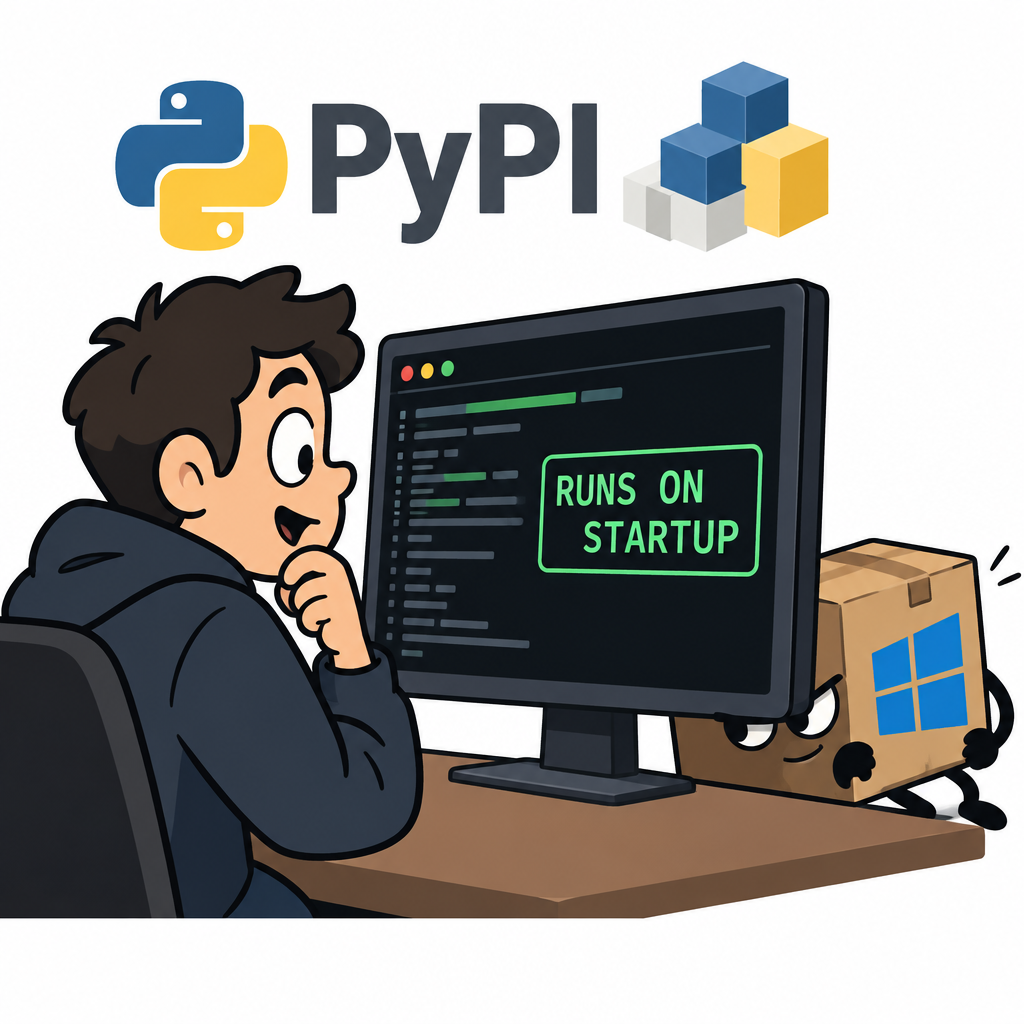
- Microsoft agent-framework PyPI compromise: Two malicious versions (1.26.1 and 1.26.2) shipped credential-stealing code that runs at Python startup via .pth files. This is the nightmare scenario for CI runners and developer laptops with permissive dependency upgrades. Source: TechRadar
- Dragos canary tokens inside AI prompts: Dragos planted unique URLs and credentials in prompts at scale over months to see whether anything downstream tried to access them, a clever way to measure “prompt supply chain” leakage risk without hand-waving. CISOs should care because it turns AI data exposure from vibes into telemetry. Source: Dragos
- PHP session RCE advisory: A critical PHP issue, CVE-2026-126714, can lead to remote code execution via partially overwritten session files under certain setups. It’s the kind of bug that punishes edge-case configuration, which is most production fleets. Source: php/php-src (GitHub security advisory)
Top CVEs

- CVE-2026-123890: A critical vCenter issue described as an authentication bypass impacting VMware Directory Service, enabling unauthorized access with network reachability to vCenter. Treat as internet-adjacent even if you swear it is “internal.” Source
- CVE-2026-123007: Critical integer underflow in NGINX HTTP/2 that can allow unauthenticated remote code execution under specific conditions. Patch fast, or disable HTTP/2 on exposed listeners as a stopgap. Source
- CVE-2026-123633: Companion critical NGINX HTTP/2 issue tied to connection handling, disclosed alongside CVE-2026-123007. Many environments will be vulnerable to both, so treat it as a single emergency change window. Source
- CVE-2026-126714: Critical PHP vulnerability where partially overwritten session files can lead to remote code execution. If your apps rely on sessions and you run PHP at scale, this is a “verify and patch” item, not a “read later.” Source
- CVE-2026-123218: IBM Aspera Faspex authorization bypass that can allow privilege escalation to full administrative control. Faspex is often a file-transfer island with scary data, so don’t let it sit on a quarterly cycle. Source
Podcasts & Talks
- Risky Business #860, “Google: Agentic hacking has crossed a threshold” (Nov 18, 2026): A useful listen for how defenders are thinking about AI-assisted vulnerability discovery and the operational fallout when disclosure timelines compress. Listen: Risky Business
- SANS Internet Stormcast (Nov 20, 2026): This episode hits practical takeaways including PHP session RCE and the NGINX PoC discussion, which is great for translating headlines into Monday morning tickets. Listen: Apple Podcasts
Final Words
The uncomfortable thread today is “side doors that act like master keys.” vCenter is an admin plane. PyPI is a distribution plane. HTTP/2 bugs in NGINX sit in front of everything. None of these are your crown jewels, but they are the forklifts that move your crown jewels around.
This week, do three things:
- Patch VMware vCenter for CVE-2026-123890 and confirm management interfaces are not reachable beyond the minimum admin networks.
- Inventory NGINX servers with HTTP/2 enabled and patch for CVE-2026-123007 and CVE-2026-123633, or disable HTTP/2 on exposed listeners until maintenance catches up.
- Freeze and audit Python dependency updates for agent-framework, explicitly block versions 1.26.1 and 1.26.2, and add CI controls to detect .pth startup-hook abuse patterns.
Your turn: If your vCenter got popped tonight, could you answer this in one sentence: which production networks can it reach, and which credentials stored there can it mint? Hit reply with your take, or drop a comment on the web version. I read every reply.
Know someone still treating vCenter like “just an admin UI”? Forward them this issue, because CVE-2026-123890 is the kind of bug that turns one compromised admin workstation into a full estate problem. If you were forwarded this, subscribe free at secretciso.org.
Stay vigilant, stay informed, and see you in the next edition of Secret CISO!
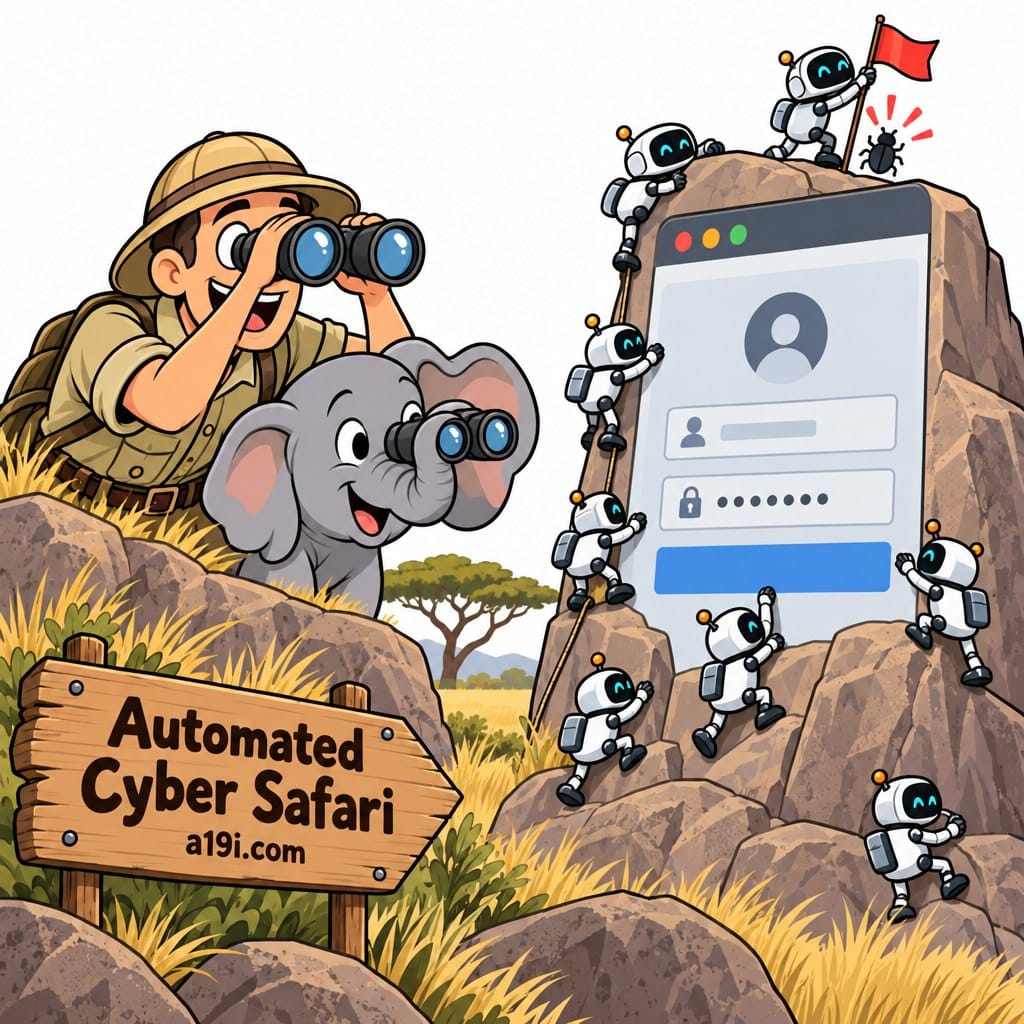
Our pick: a19i Automated Cyber Safari. A swarm of frontier AI agents pentests your web app, human testers verify the findings, and the final report comes signed. Your app is mapped for free before you pay. Take the safari at a19i.com