Secret CISO 11/28: 1.2M Flemings Exposed, Radware Keys, FinCEN Offline, CVE-2026-129514
Today’s pattern: “management planes” are the new breach beachhead. Exposed internal APIs, brittle reporting portals, and third-party logistics stacks keep turning into real-world data loss, even when the attacker barely tries.

Attackers did not get smarter overnight. Our systems just keep shipping internet-facing control surfaces that were never meant to be on the internet.
Today's Top 5
- 1.2M municipal records stolen: A supplier supporting Flemish recycling parks was hit, and data tied to 82 municipalities reportedly walked out. The part to watch is what the stolen fields enable next, not the initial copy event. Source
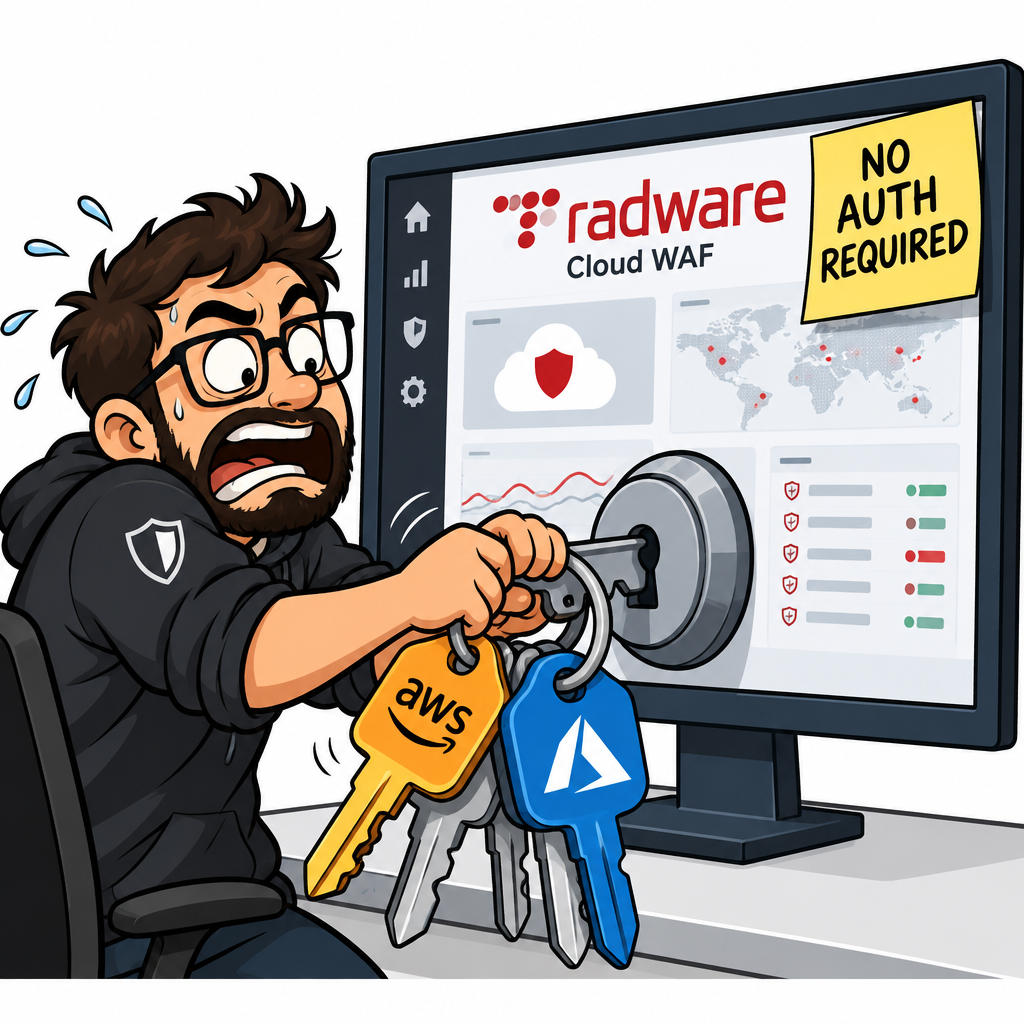
- Radware Cloud WAF keys exposed: An internal Cloud WAF management API was reportedly reachable from the public internet without auth, and customer cloud access keys were in scope. The uncomfortable question is how many downstream log buckets got quietly scraped after the fact. Source
- FinCEN takes systems offline: Treasury’s FinCEN acknowledged a cybersecurity incident and pulled some services down. If your compliance team depends on those flows, the operational blast radius is the story, not the press lines. Source
- Hex.pm RCE hit in minutes: The Elixir and Erlang package registry disclosed exploitation of CVE-2026-129514. The tiny detail with teeth is what got executed, and what that means for registry trust chains. Source
- Anti-CSRF library exploited: A defunct open source anti-CSRF library is being exploited in the wild as CVE-2026-131914. Legacy dependencies are back in style, and not in a fun way. Source
Why today matters: Today’s incidents rhyme: the attacker path is not “break crypto,” it is “find the control plane.” Unauthenticated internal APIs, outsourced fulfillment stacks, and registry backends are becoming the easiest places to turn one mistake into many victims. If you run customer-facing web apps, your ops team and your vendor managers should both be nervous.

Our pick, a19i: The Flemish supplier story is a reminder that attackers start with the boring doors: your exposed web apps and APIs that glue everything together, including vendors. a19i’s Automated Cyber Safari maps your app and writes the test plan for free before you pay, then reports only what it reproduced. See what it maps at a19i.com.
Now, the receipts and the risk.
Data Breaches
- Flemish recycling-park supplier breach exposes ~1.2M people: Belgium’s CCB published an update saying a supplier (TWS, Total Waste Solutions) suffered a cyberattack impacting data tied to recycling parks across Flanders. The scope reported in local coverage spans residents across dozens of municipalities. Source: Vlaanderen.be
- Radware breach: customer cloud access keys exposed via internal API: Radware said an unauthorized party accessed an internal Cloud WAF management API that was reachable from the public internet without authentication, exposing some customer account details and cloud access keys. Customers are being pushed to rotate any exposed credentials and review logs. Source: BleepingComputer
- Jeonbuk Bank reports exposure affecting 467 people: South Korea’s Jeonbuk Bank reported a November 24 intrusion that exposed details for 462 customers and five employees, and said it blocked suspicious traffic shortly after detection. Small number, big lesson: banks are now publicly acknowledging short, fast intrusions. Source: IPCRIME
- CyberStep Holdings: logistics partner OpenLogi accessed, recipient data leaked: CyberStep disclosed that a contracted logistics provider’s system was accessed by a third party, leading to leakage of shipping recipient information contained in shipment data. It is a familiar pattern: “not our system” still becomes “our incident” to customers. Source: Japan IR
Security Research
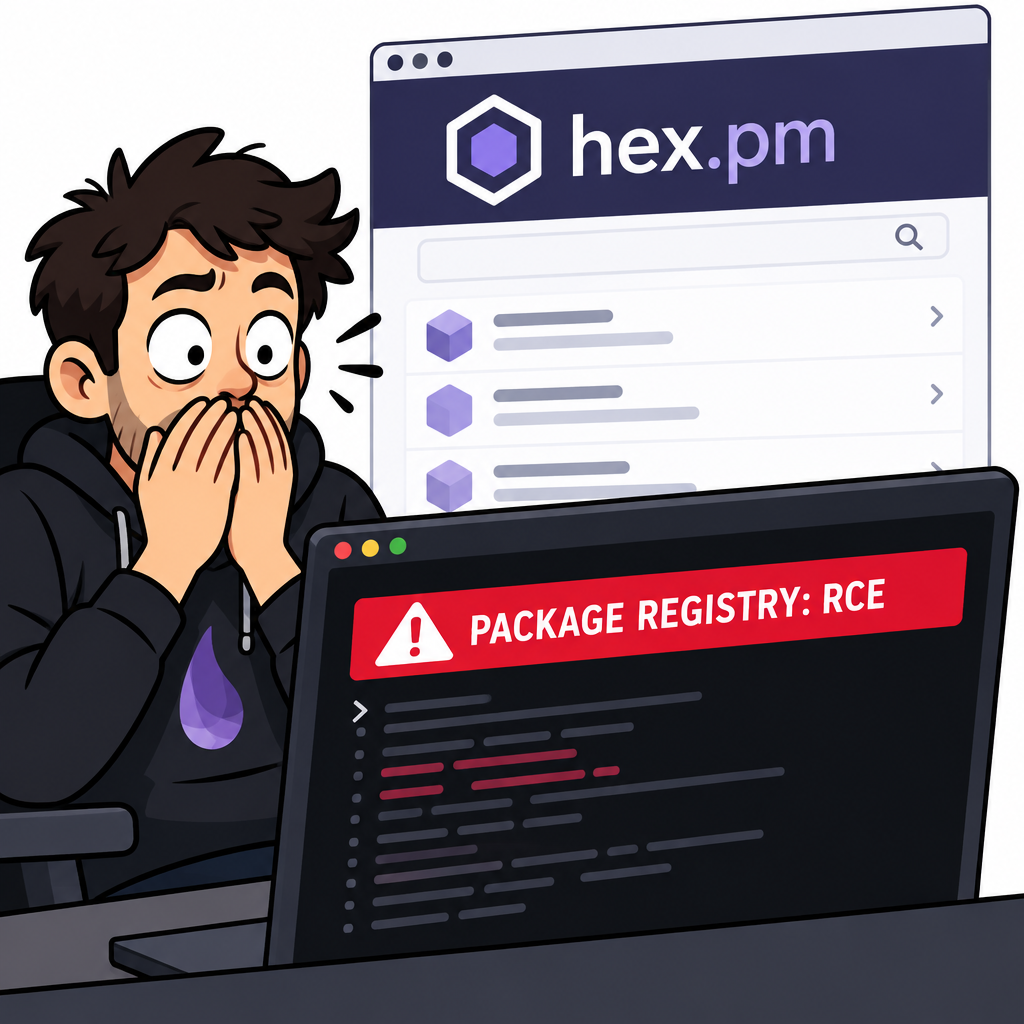
- Hex.pm incident write-up and remediation details: Hex published a postmortem-style incident write-up for exploitation of CVE-2026-129514, including timelines and recommended user actions. This is one of the clearest supply-chain “what to do next” notes you will read this month. Source: Hex.pm
- SecurityWeek: Idunno AntiCsrf library flaw exploited in the wild: Researchers warned that threat actors are exploiting an unpatched vulnerability in the Idunno AntiCsrf library for RCE, and CISA added it to KEV. The takeaway is dependency death: abandoned packages do not stop running in production. Source: SecurityWeek
- Optimizely Web Experimentation incident report guidance: Optimizely published a PDF incident report with mitigation steps, including advice about removing the snippet from sensitive pages you are not actively experimenting on. Treat this as a governance control, not a one-off patch note. Source: Optimizely
- Dell advisory for Secure Connect Gateway Virtual Edition: Dell published DSA-2026-386 covering multiple vulnerabilities in Secure Connect Gateway Virtual Edition and fixed versions. If SCG is in your remote support path, this is part of your perimeter whether you like it or not. Source: Dell
- TechRader: exposed database of 2B infostealer-sourced records: A researcher reported finding an internet-exposed dataset described as likely aggregated from infostealer logs, including passwords and tokens. Even if you doubt every number, assume your org’s users are in it and plan accordingly. Source: TechRadar
Top CVEs

- CVE-2026-129514: Unauthenticated deserialization RCE in Hex.pm (hexpm): This flaw allowed remote command execution via a crafted request body, and Hex says it was exploited against hex.pm. If your build pipeline pulls from Hex, treat credentials and tokens like they were handled by an attacker. Source
- CVE-2026-131914: Idunno AntiCsrf RCE, actively exploited: An unpatched vulnerability in a defunct anti-CSRF library is being exploited in the wild, per SecurityWeek reporting and KEV inclusion. The fix is usually not a patch, it is dependency replacement and redeploy. Source
- CVE-2026-132224: Optimizely Web Experimentation projectJS injection: Optimizely says an attacker exploited a signup-flow issue to inject attacker-controlled code that could affect customer sites. Treat it as third-party script risk with incident-grade urgency. Source
- CVE-2026-116779: SignalWire FreeSWITCH command injection, exploited: A critical command injection in FreeSWITCH has been listed as exploited. If you run FreeSWITCH for voice, assume it is internet-scanned and patch or isolate aggressively. Source
- CVE-2026-80283: Dell Secure Connect Gateway (SCG) Virtual Edition missing authentication: Missing authentication for a critical function in SCG VE could enable privileged actions and appliance compromise. If SCG sits in a support DMZ, it is still a control plane. Source
Podcasts & Talks

- Smashing Security 494: “The Russian accused of spying on Palantir from Starbucks”: Worth your time for the human tradecraft angle, and for how social engineering narratives turn into incident response chaos inside big brands. Listen: Listen
- Security Now #1106: “ARTEX Agentic AI-Driven Cyberattacks Are…”: A useful executive-level framing of agentic tooling and what it changes about attacker speed and scale. If your board asks “is AI making this worse,” this episode gives you language. Listen: Listen
- Risky Business News (Nov 27, 2026): sponsor interview on insider threat and AI agents: Not a technical deep dive, but it is a good prompt for security leadership to revisit insider threat playbooks in an “agentic assistant” world. Listen: Listen
Final Words
Today’s underlying pattern is control-surface drift. Tools meant for internal management, vendor fulfillment, or “just a snippet” are ending up on the public internet or in every page load path. That shifts the threat model from targeted intrusion to wide, cheap harvesting, and the uncomfortable implication is that your blast radius is now defined by who you integrate with, not what you host.
This week, do three things:
- Pull an inventory of all internet-reachable management APIs and admin UIs, then put an owner and an auth requirement on each, starting with WAF and edge tooling after the Radware incident.
- If you use Elixir or Erlang packages, rotate Hex.pm credentials and review build secrets, and patch for CVE-2026-129514 in any self-hosted Hex-related infrastructure.
- Hunt for Idunno AntiCsrf usage across repos and deployed artifacts, then remove or replace it as if it is already exploited, because CVE-2026-131914 is.
Your turn: If your municipality or a critical local service provider called you today and said “we copied data off a server,” would your team treat it as a privacy event, or as an identity-fraud incident with active follow-on risk? Hit reply with your one-sentence answer, or drop a comment on the web version. I read every reply.
Know someone who still believes “internal-only API” is a control? Forward them the Radware item in this issue, it costs 30 seconds and the alternative costs a quarter. For forwarded and web readers, subscribe free at secretciso.org.
Stay vigilant, stay informed, and see you in the next edition of Secret CISO!

Our pick: a19i Automated Cyber Safari. A swarm of frontier AI agents pentests your web app, human testers verify the findings, and the final report comes signed. Your app is mapped for free before you pay. Take the safari at a19i.com