Secret CISO 11/25: CIA OSINT Breach, 50 Tankers Hacked, CVVs Stolen, Nvidia Leak Looms
The past 48 hours were about “unclassified” systems doing classified damage: intel collection pipelines, vessel networks, and checkout platforms all turned into force multipliers for attackers. Also, if you ever stored CVVs, today is your audit day.
Today’s mess is not about exotic zero-days. It’s about high-trust pipelines, intel collection, shipboard networks, and payment rails, getting clipped where everyone assumed “it’s not sensitive” or “it’s handled by the vendor.”
Today's Top 5
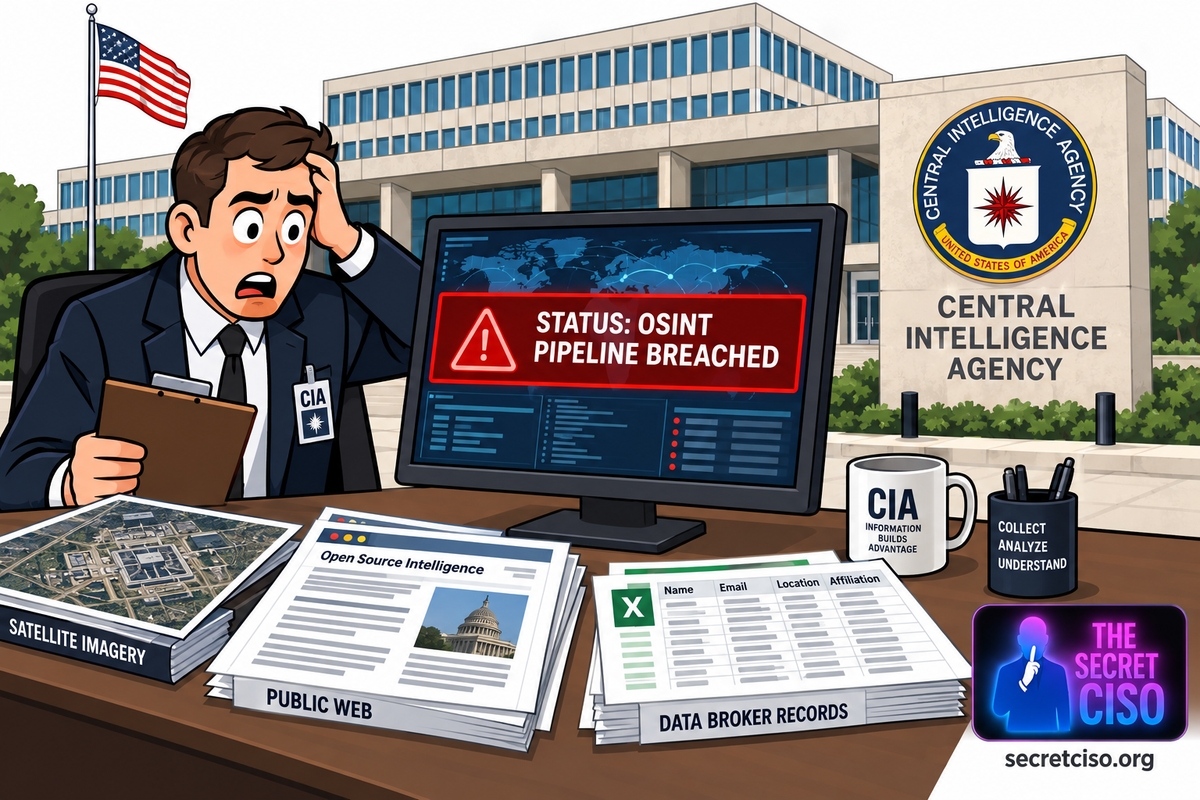
- CIA OSINT system breached: An unclassified CIA system used for open-source intelligence was compromised, with unclear scope and unknown attacker. The awkward part is what “semi-public” data becomes when you aggregate it at scale. Source
- Up to 50 tankers hacked: U.S. officials suspect Iranian hackers may be behind as many as 50 attacks on oil and shipping vessels, with reports of navigation systems targeted. If this becomes routine, insurance conversations get weird fast. Source
- CVVs stolen at Cleverbridge: Cleverbridge says a third party copied payment card data, and customer notices include CVV/CVC codes. This is the kind of breach that turns “monitor your statements” into “replace the card.” Source
- Nvidia leak countdown: Nvidia confirmed it is investigating a possible third-party breach after a ransomware group listed it, with a stated leak date of Nov. 28. The best time to tighten vendor access was yesterday. Source
- SANS Stormcast (11/24): If your team needs a quick daily drumbeat, SANS ISC dropped its Stormcast for Nov. 24. It’s short, calm, and useful when the inbox is on fire. Source
Why today matters: The common thread is aggregation. OSINT platforms, shipboard networks, and checkout providers turn scattered “low sensitivity” data and systems into centralized targets. Attackers do not need to win a nation-state game to cause nation-scale impact, they just need your most connected system.

Our pick, a19i: Today’s CIA OSINT story is a reminder that “unclassified” systems still sit behind very real web apps and APIs, and those are the doors attackers try first. a19i’s Automated Cyber Safari reports only findings it reproduced, no scanner noise, which is a fast way to sort real exposure from backlog folklore. The report states what was and was not tested. Kick the tires at a19i.com.
Alright. Let’s get specific, with receipts.
Data Breaches

- An unclassified CIA OSINT system was breached: The Associated Press reports an intrusion into an unclassified system used for open-source intelligence collection and analysis. Officials said classified systems were not involved, but the exact data accessed and the actor remain unknown. Source: AP News
- Nvidia investigates possible third-party breach claim: Nvidia confirmed it is investigating after being listed on a ransomware leak site, with attackers signaling a timed disclosure. Even if this is “only a vendor,” the downstream credential and contract data is often the real prize. Source: TechRadar
- Cleverbridge payment card data theft (CVVs included in notices): Cleverbridge says attackers copied payment card data stored on its platform. A customer notice shared with reporters includes card number, expiry date, and CVV/CVC security code, which raises uncomfortable questions about storage and segmentation. Source: BleepingComputer
- Kenya eCitizen data theft claim (740GB) under investigation: Kenyan officials said technical and security teams are investigating claims that threat actors stole roughly 740GB of data from the eCitizen platform. Treat as a claim until independently verified, but it is the kind of portal every citizen gets stuck using. Source: People Daily (Kenya)
- Home Instead listed by Anubis (unconfirmed): Ransomware actor Anubis listed Home Instead as a victim. There is no public confirmation from the company in this reporting, so this stays in the “extortion claim” bucket for now. Source: Canary Observatory
Security Research
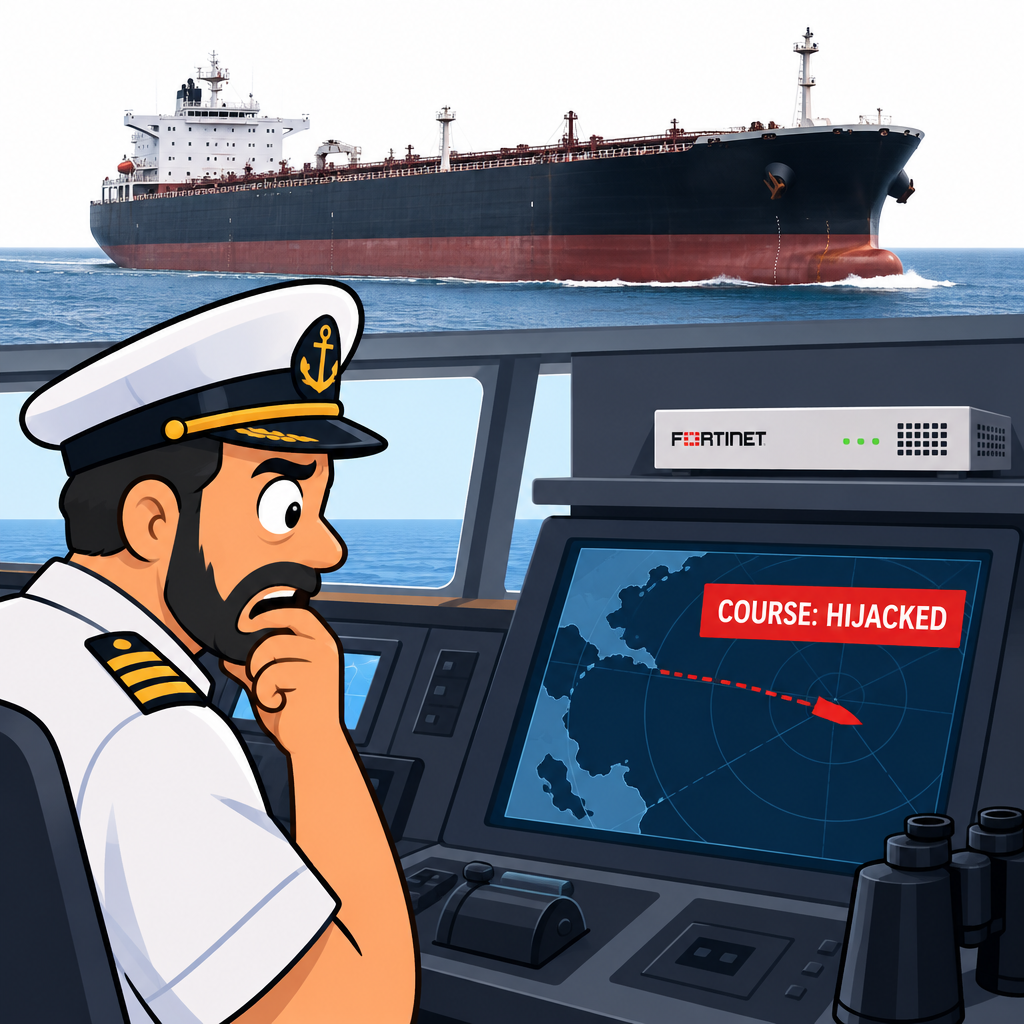
- Shipping vessel hacks may have exploited Fortinet router flaw: Reporting on tanker intrusions notes officials looking at abuse of a Fortinet-router bug, and points to an FBI and Coast Guard alert warning that such routers are used on vessels. If you have OT, you probably have “IT-grade” edge gear too. Source: TechCrunch
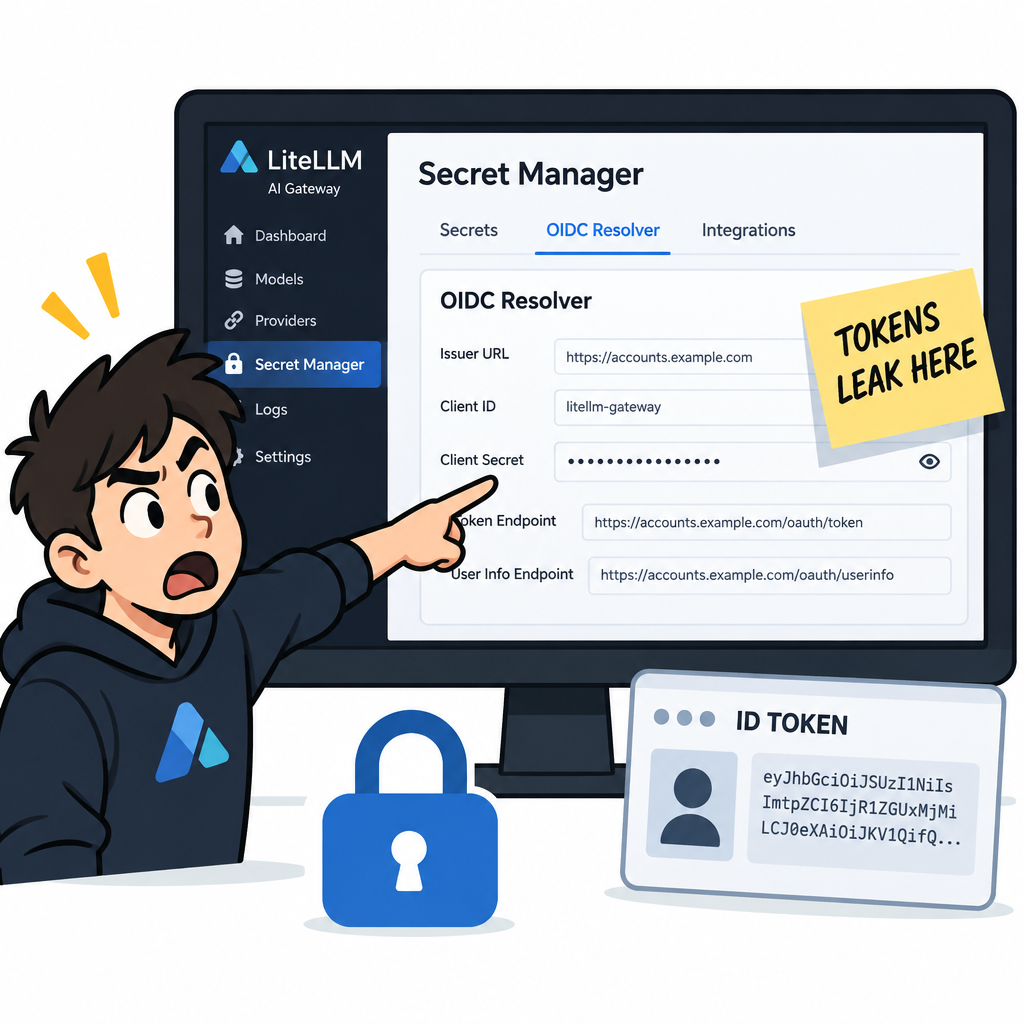
- LiteLLM bug assigned CVE (ZDI write-up): A ZDI entry lists a LiteLLM Secret Manager OIDC resolver information disclosure issue, with an assigned CVE. If you are running LLM gateways and secret managers, assume attackers are already reading your config surface like a menu. Source: s3c.zip (ZDI tracker)
- .NET bypass discussion after early disclosure: A daily security brief notes CVE-2026-108398, publicly disclosed before reporting, and fixed in October 2026 by adjusting a WLDP check, with discussion that bypass paths may remain. Treat “policy enforcement” as code, because it is. Source: SecHOT (daily brief)
- AI-assisted attack threshold claims (Google commentary): Reporting summarizes Google and partners claiming they observed an autonomous-style campaign that rapidly built exploits and moved to domain admin, plus notes about verification burden from broken AI-generated exploit demos. Translation: defenders get extra work before they even start patching. Source: TechRadar
- NGINX RCE PoC write-ups still circulating: Reporting highlights proof-of-concept activity targeting an NGINX Docker image scenario and emphasizes how widely NGINX is deployed. Even if your edge is “managed,” your containers might not be. Source: TechRadar
Top CVEs
- CVE-2026-108398: A .NET-related issue discussed as a WLDP check fix in October 2026, with concern about remaining bypass possibilities. If you rely on Windows policy controls as a hard boundary, validate the boundary in your own environment. Source
- CVE-2026-114205: Assigned to a LiteLLM Secret Manager OIDC resolver information disclosure issue in a ZDI tracker entry. CISOs should ask where LLM proxying and secret retrieval intersect, because logs and tokens love to leak there. Source
- CVE-2026-123007: Reported as a proof-of-concept route to unauthenticated remote code execution against a vulnerable NGINX Docker image scenario. Inventory NGINX versions in containers, not just on your “official” web tier. Source
- CVE-2026-9790: Listed as endpoints accessible without authentication from any WiFi client for an unspecified product in a CVE roundup feed. If you ship or deploy WiFi-adjacent devices, this is the pattern: “internal” endpoints reachable by anyone near the radio. Source
- CVE-2026-135719: FFmpeg uninitialized memory disclosure issue in libavformat (dxa_read_packet) in versions before a stated fixed release. If you process untrusted media anywhere, treat this class as an ingestion pipeline risk, not a desktop risk. Source
Podcasts & Talks
- ISC Stormcast for Nov. 24, 2026 (SANS ISC): Useful as a daily “what changed” pulse you can forward to an on-call rotation. If nothing else, it keeps your team calibrated on what is actually getting exploited versus what is merely trending. Listen: SANS ISC
Final Words
The uncomfortable pattern today is that “secondary” environments are now primary targets. OSINT aggregation systems, shipboard edge networks, and checkout intermediaries are all mega-graphs of trust. Attackers do not need perfect stealth, they need one place where everyone sends their data to be processed.
This week, do three things:
- Run a payment-data reality check: confirm whether any environment touching checkout ever stores CVV/CVC, and if you use a platform provider, demand their documented storage and segmentation stance (Cleverbridge is your cautionary tale).
- Brief your OT and fleet teams on Fortinet-router exposure and remote access paths, then validate patch levels and credential rotation for vessel, plant, and “remote site” edge gear tied to operations.
- For identity and LLM tooling, inventory LiteLLM or similar AI gateways and secret managers, then review OIDC resolver and token logging behavior, and patch or constrain configs where feasible (track CVE-2026-114205).
Your turn: If an “unclassified” analytics system that aggregates third-party data got popped tomorrow, could you prove what was queried, exported, or re-shared, and to whom? Hit reply with your one-sentence answer, or drop a comment on the web version. I read every reply.
Know someone who owns payments or checkout integrations and still believes “we don’t store card data”? Forward them this issue, the Cleverbridge CVV detail is the kind of surprise that only feels obvious afterward. If this was forwarded to you, subscribe free at secretciso.org.
Stay vigilant, stay informed, and see you in the next edition of Secret CISO!
Our pick: a19i Automated Cyber Safari. A swarm of frontier AI agents pentests your web app, human testers verify the findings, and the final report comes signed. Your app is mapped for free before you pay. Take the safari at a19i.com