Secret CISO 11/22: FBI NCIC Breach Probe, Triple Whale Hit, 1M Cards
Two patterns collide today: high-trust data hubs (law enforcement, payment rails, Shopify app tokens) and low-friction exploit paths (installers, HTTP/2, path traversal). The result is faster blast radius, with fewer “smoking gun” logs than your IR playbooks assume.
Today’s thread is “shared truth”: crime databases, payment rails, and SaaS app tokens that lots of other systems trust by default. When those wobble, everyone inherits the anxiety.
Today's Top 5
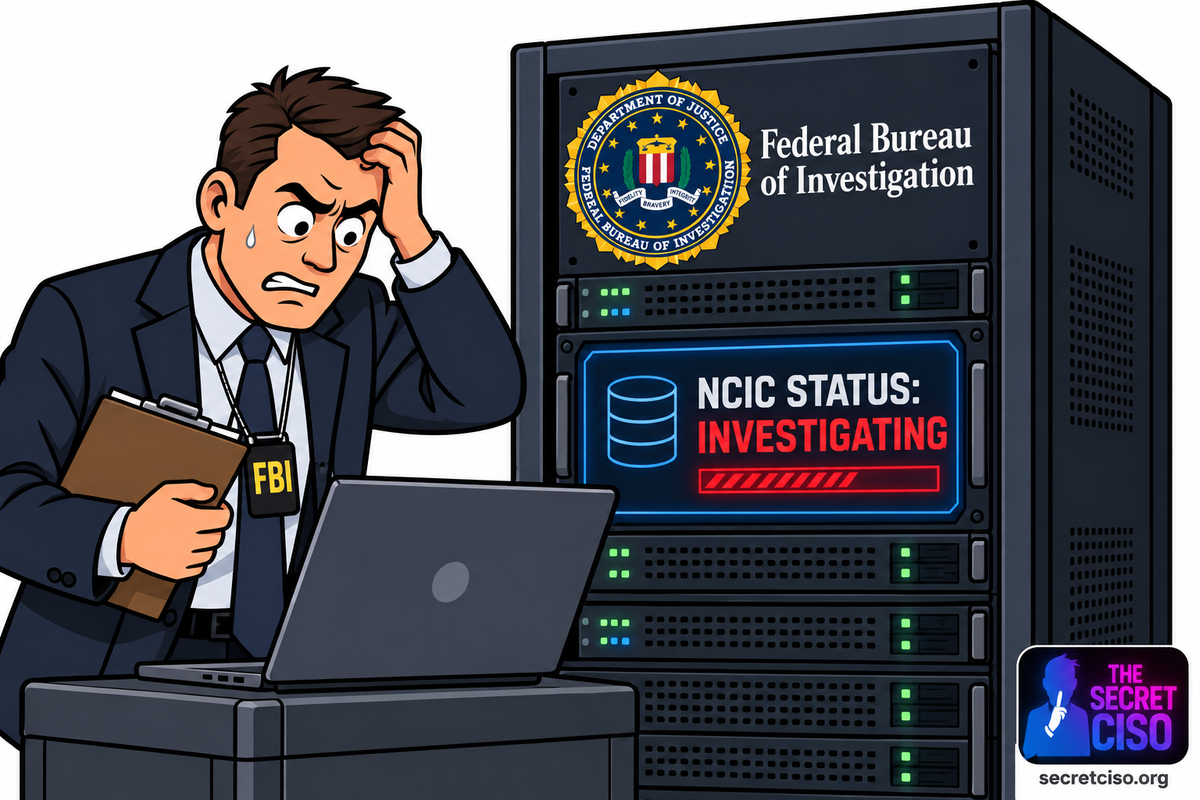
- FBI NCIC breach probe: The FBI is investigating an apparent hack of its National Crime Information Center, a system used for warrants, background checks, and information sharing. Nobody has said what was accessed yet, and that uncertainty is the whole problem. Source
- 1M payment cards stolen: A campaign reportedly pulled over 1 million credit card records from POS systems across 20 countries, after attackers abused an older Windows bug to infect 700+ terminals. The data was sitting in one place for weeks. Source
- Triple Whale internal access: Shopify merchants are now dealing with a breach story that starts inside a popular analytics vendor, not inside the stores. Triple Whale says it detected unauthorized access on Oct 31 and contained it on Nov 1. Source
- Drupal installer exploited: Drupal’s security team says it received a report of real-world exploitation as early as Nov 19 for an installer flaw that can lead to takeover or RCE under specific conditions. If your WAF rules still allow /core/install.php, that is a choice. Source
- NGINX HTTP/2 crash-to-RCE: Researchers and defenders are still untangling the “nginx2root” set, with the ugly part being HTTP/2 enabled front doors and long-lived connections. Disabling HTTP/2 is the fastest seatbelt while patching lands. Source
Why today matters: The most damaging incidents this week are not “exotic APT magic.” They are compromise of a system that lots of other systems treat as authoritative, plus boring web surface area like installers, HTTP/2 parsers, and static file handlers. CISOs should be nervous about any platform that sits in the middle of your workflows and “knows the truth” for everyone else.
Our pick, a19i: The FBI story is a reminder that attackers do not start with your crown jewels, they start with your easiest-to-reach web apps and APIs, then pivot into the systems everyone trusts. a19i’s Automated Cyber Safari reports only findings it reproduced, so your team can fix the doors that are actually open. The report states what was and was not tested. Try it here.
Alright, let’s get specific.
Data Breaches

- FBI investigating apparent hack of NCIC database: The FBI is investigating an apparent breach of its National Crime Information Center (NCIC), according to reporting confirmed to AP. Details on scope, access method, and data exposure were not provided. Source: AP News
- Triple Whale confirms unauthorized access to internal systems: Weekly breach reporting notes Triple Whale says someone accessed internal systems in late October before the company shut the access down on Nov 1. For merchants, the hard part is credential and token hygiene after the vendor already had the access. Source: What Got Pwned
- TF L Oyster photocard accounts: TfL took Oyster photocard systems offline after a breach affecting over 260,000 customers, following suspicious emails to customers. The operational takeaway is the phishing wave that follows any identity dataset exposure. Source: ITPro
- POS carding haul across 20 countries: Reporting describes attackers stealing 1M+ credit card records and infecting 700+ point-of-sale terminals, tied to abuse of an older Windows issue and poor data exposure controls around the stash. Treat this as a reminder to segment POS, log outbound, and rotate vendor remote access. Source: TechRadar
Security Research

- Amazon report: AI agents found and exploited a zero-day: Multiple write-ups point to Amazon Threat Intelligence describing autonomous “Cairn” agents discovering and exploiting a zero-day in MONAI Label. This is less about MONAI, more about what “hands-off exploitation” does to your patch and exposure timelines. Source: Exploit Bulletin
- Drupal installer flaw with exploitation reported: Drupal SA-CORE-2026-017 (CVE-2026-132165) warns an unauthenticated visitor can attempt to re-run the installer under specific conditions, leading to takeover or RCE. Drupal notes it received a report this was exploited on live sites as early as 2026-11-19 19:00 UTC. Source: Drupal.org
- Etherpad pre-auth file read via /static/: A GitHub advisory documents a path traversal that allows unauthenticated arbitrary file reads from Etherpad instances via the /static handler. This is the kind of “read one secret, then own the box” chain defenders chronically under-rate. Source: GitHub Advisory Database
- NGINX2Root: what to look for in logs: Cloudflare’s write-up focuses on practical indicators and protections around the NGINX HTTP/2 issues, including the weird “single long-lived connection moving tens of GB” style signals. It is a gift for SOC tuning. Source: Cloudflare Blog
- Google: COLD RELIC active in Nov 2026: Google Threat Intelligence details recent insights on COLD RELIC’s social engineering and post-compromise tradecraft, and notes it has observed evidence of new phishing operations as recently as Nov 2026. Share this with your exec assistants and public sector-facing teams. Source: Google Cloud Blog
Top CVEs

- CVE-2026-132165: Drupal core installer (SA-CORE-2026-017) can allow an anonymous visitor to attempt reinstall, leading to site takeover or RCE under certain conditions. Patch to fixed Drupal releases and block /core/install.php long-term. Source
- CVE-2026-133968: MONAI Label datastore path traversal leading toward remote compromise, reported as used as a zero-day in AI-agent-driven exploitation. No fixed release was listed in the Exploit Bulletin at the time, so isolate and gate access hard. Source
- CVE-2026-114516: Etherpad pre-auth path traversal in /static handler allowing arbitrary file read. Upgrade Etherpad to a fixed version and add reverse-proxy rules to block traversal patterns until you do. Source
- CVE-2026-123007: NGINX “nginx2root” vulnerability in HTTP/2 handling, part of a broader set disclosed by F5, with mitigations including disabling HTTP/2 on exposed listeners. Treat it as “patch plus configuration,” not one or the other. Source
- CVE-2026-123633: NGINX HTTP/2 issue tied to proxying and connection handling (use-after-free), again mitigable by disabling HTTP/2 while patching. If you front NGINX with another device, remember the NGINX behind it still counts. Source
Podcasts & Talks

- Smashing Security Ep 493: “Why your AI model could be a sleeper agent”: Useful for CISOs trying to translate “model risk” into an actual threat story that a board understands, without turning it into sci-fi. Listen: Smashing Security
- SANS Internet Stormcenter (Stormcast), Nov 20, 2026: Covers NGINX2ROOT patches and a PyPI compromise storyline, plus why “quick patching” keeps breaking production. Good listening for anyone running patch SLAs that ignore restarts and config drift. Listen: SANS ISC
Final Words
We are watching “trust concentration” collide with “automation speed.” The scary part is not that attackers get smarter. The scary part is that the time between discovery, weaponization, and blast radius keeps shrinking, and your logging gaps stay the same size. Your threat model cannot assume you will notice the first bad request anymore.
This week, do three things:
- Patch Drupal core to fixed releases for CVE-2026-132165, then permanently block external access to /core/install.php at the reverse proxy and verify settings.php is not web-writable.
- Find every internet-reachable NGINX with HTTP/2 enabled, apply vendor patches for CVE-2026-123007 and CVE-2026-123633, and temporarily disable HTTP/2 where you cannot patch within 48 hours.
- For any Shopify-adjacent SaaS that holds store tokens, force token rotation and re-consent checks, and brief your ecom team on what “vendor internal access” means for fraud workflows after Triple Whale.
Your turn: If your org got a law enforcement query tomorrow that referenced NCIC data, would your team trust it by default, or would you verify it like a phishing email? Hit reply with your one-sentence policy, or drop a comment on the web version. I read every reply.
Know someone who still treats “/install.php” as a harmless leftover? Forward them this issue before it turns into a weekend rebuild. For everyone else, subscribe free at secretciso.org.
Stay vigilant, stay informed, and see you in the next edition of Secret CISO!
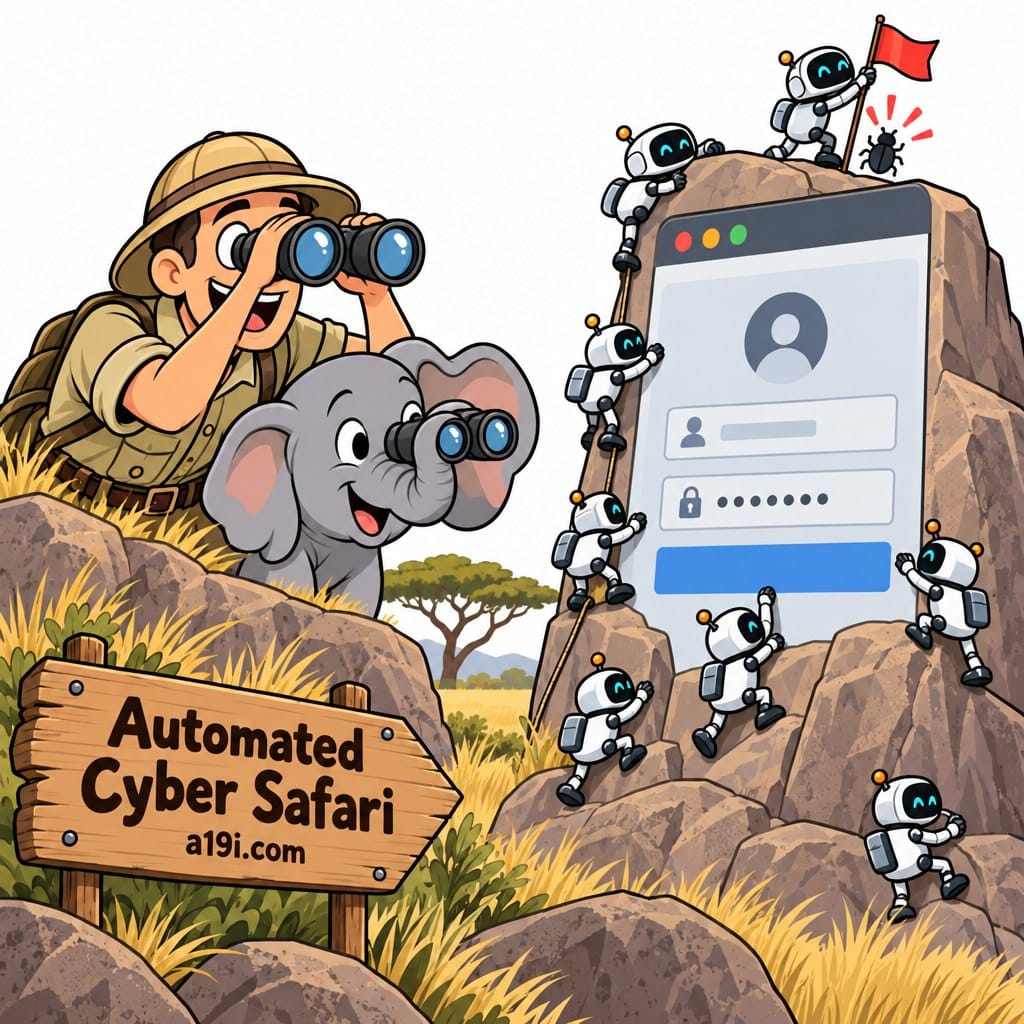
Our pick: a19i Automated Cyber Safari. A swarm of frontier AI agents pentests your web app, human testers verify the findings, and the final report comes signed. Your app is mapped for free before you pay. Take the safari at a19i.com