Secret CISO 11/24: EU Academy Data Leak, OpenRouter Chats, MONAI KEV, Roller RCE
The last 48 hours were a lesson in modern blast radius: your “safe” platforms became breach surfaces, and AI tooling showed up in both the attack chain and the incident narrative. Also, Apache Roller is still getting popped in the wild.

Today’s theme is “the platform is the perimeter.” The bad news is the platform might be yours, your government’s, or your AI routing layer. The worse news is attackers do not care which.
Today's Top 5
- EU Academy user data leaked: The European Commission warned EU Academy users that personal data was exposed after an AI-driven attack linked to last month’s wider EU incident, and the exact scope is still being worked out. Source
- OpenRouter warns on MiniMax routing: OpenRouter told customers that prompts and responses routed to China-based MiniMax models may have been accessed by a third party, turning “model choice” into an incident-response variable. Source
- MONAI Label added to KEV: A path traversal bug in MONAI Label hit CISA’s exploited catalog, a reminder that “research tooling” becomes production the moment it touches real medical images. Source
- Apache Roller RCE still exploited: Roller’s XML-RPC deserialization flaw is being actively exploited, and defenders learned the hard way that the admin UI “off switch” does not really turn the endpoint off. Source
- Austria diplomats’ contacts exposed: Austria said attackers accessed staff names and official contact details via a site run by an external provider, the kind of dataset that turns into frighteningly believable spearphish. Source
Why today matters: We are watching identity and “trusted routing” become the new data layer. If your org uses third-party portals, AI gateways, or internal research servers, attackers now treat those as the shortest path to real humans, real creds, and real money.

Our pick, a19i: The EU Academy leak is a reminder that attackers start with the web surface that is easiest to automate, and for most orgs that is still your public web apps and APIs. a19i’s Automated Cyber Safari delivers only reproduced findings, so you get signal without scanner noise. See it at a19i.com.
Ok, now the receipts, the patches, and the uncomfortable patterns.
Data Breaches
- European Commission warns EU Academy users of data leak: The Commission said personal data of EU Academy users was leaked following a cyberattack tied to the broader AI-generated incident disclosed last month. Access to the platform was disabled while containment and investigation continue. Source: AP News
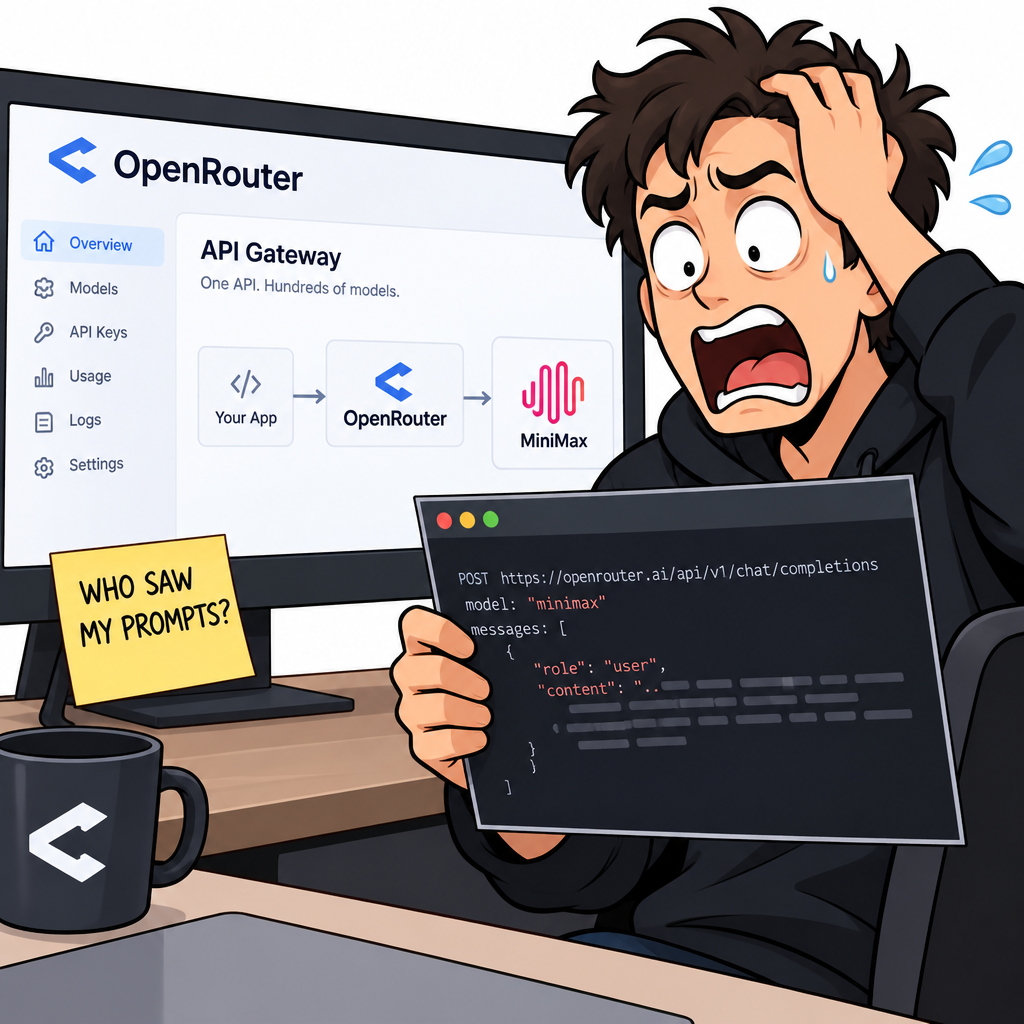
- OpenRouter warns customers about possible prompt/response exposure: OpenRouter warned that prompts and responses routed to MiniMax models may have been accessed by a third party during a July to October window, based on customer emails shared publicly. Treat AI routing and logging policies as sensitive data flows. Source: Axios
- Austrian Foreign Ministry website hacked, staff contacts accessed: Austria said a website operated by an external provider was breached Nov 12 to 13, exposing names and official contact information for employees at HQ and missions abroad. No public citizen data was reported impacted. Source: The Record
- Japan’s Fugaku supercomputer incident, user data at risk: RIKEN said a suspected attack forced Fugaku offline after intruders accessed systems containing registered users’ information, with the intrusion window believed to be Nov 10 to 13. This is a gift to anyone running “research” like a side project. Source: TechRadar
Security Research

- MONAI Label exploitation guidance and mitigations: TWISA summarized how MONAI Label versions before 0.8.6 can be abused for path traversal via an image upload endpoint, and recommended controls like enabling auth, restricting roles, and limiting network exposure while upgrading. Source: TWISA
- Apache Roller “off switch” doesn’t stop exploitation: Researchers highlighted that disabling XML-RPC via the admin UI may not stop the vulnerable endpoint from processing requests, complicating “mitigation only” strategies while CVE-2026-129448 is exploited. Source: Atarus Research
- AI-discovered NGINX flaws with PoC RCE: Reporting collated multiple NGINX issues and pointed to Rapid7 publishing a PoC achieving unauthenticated RCE in a Docker image under certain conditions (example: CVE-2026-123007), emphasizing patch hygiene and safe defaults in container images. Source: TechRadar
- vCenter auth bypass reporting and attacker context: Coverage reiterated Broadcom’s patch guidance for a critical vCenter auth bypass (CVE-2026-123890) and noted reporting that tied real-world attack activity to the weakness earlier this year. Source: TechRadar
- AI “autonomous attack” threshold and defender workload: Google-linked reporting described how AI can compress attack timelines, but also how noisy AI-generated exploit attempts can swamp verification and IR capacity, shifting cost onto defenders. Source: TechRadar
Top CVEs

- CVE-2026-133968: A path traversal issue in Project MONAI MONAI Label that can enable arbitrary file write and potential code execution on exposed servers, and it is listed as exploited. If you run annotation servers, assume exposure until proven otherwise. Source
- CVE-2026-129448: Apache Roller XML-RPC deserialization leading to unauthenticated RCE, with active exploitation stated in public reporting and defender notes. Patch, then verify the endpoint behavior from the network edge. Source
- CVE-2026-123890: Broadcom VMware vCenter remote authentication bypass that can create an admin session when exploited. If vCenter is reachable where it should not be, your segmentation plan is now a wish. Source
- CVE-2026-134624: N-able MailAssure SSRF, added to KEV as exploited. Treat this as a reminder that “email security” stacks can become initial access, especially when they integrate with LDAP and internal services. Source
- CVE-2026-123007: NGINX HTTP/2 heap overflow with public PoC demonstrations reported, raising risk for unpatched web front doors and container images that ship unsafe defaults. Patch and validate your build pipeline’s base images. Source
Podcasts & Talks

- SANS Internet Storm Center Daily Stormcast (Nov 24, 2026): The day’s quick-hit briefing format is useful for CISOs who need a daily pulse without doomscrolling, and it often flags what defenders are actually seeing, not what vendors are selling. Listen: Stormcast listing
- Risky Business Features (Nov 20, 2026): A timely episode on why “number of bugs fixed” is a misleading metric, which matters when boards ask for patch progress as a vanity number instead of risk reduction. Listen: Risky Business Features
Final Words
The thread running through today is simple: attackers are harvesting trust artifacts. Diplomat directories become spearphish fuel. AI routing becomes a data exfil path. Annotation servers become a foothold because someone said “it’s just research.” The uncomfortable implication is that your control plane and your glue code are now higher value than your crown jewels, because they come with built-in distribution.
This week, do three things:
- Patch or isolate Apache Roller immediately, and validate you are not relying on the admin UI toggle as a mitigation for CVE-2026-129448.
- Inventory MONAI Label and similar “research-grade” services, upgrade for CVE-2026-133968, and restrict network access so these boxes are never internet-reachable by accident.
- Review your AI gateway and routing configuration, logging, and data retention, and document which providers can see prompts and responses before Legal asks you mid-incident.
Your turn: If your org had to email every external user of a learning portal today, would you know exactly which fields were exposed, and could you prove it from logs? Hit reply with your one-sentence answer, or drop a comment on the web version. I read every reply.
Know someone running a “temporary” AI or research server in prod networks? Forward them today’s MONAI item, it is the kind of quiet exposure that turns into a loud breach. If you got this from a friend, subscribe free at secretciso.org.
Stay vigilant, stay informed, and see you in the next edition of Secret CISO!
Our pick: a19i Automated Cyber Safari. A swarm of frontier AI agents pentests your web app, human testers verify the findings, and the final report comes signed. Your app is mapped for free before you pay. Take the safari at a19i.com